
Travel Destinations Filled With History Culture and Adventure
Some places simply offer more than a pretty view. They carry the weight of centuries, a pulse of living traditions, and chances to push your limits. Travel destinations filled with history, culture, and adventure deliver all three, creating trips that feel layered and purposeful.
Think of walking through ancient ruins at dawn, tasting a dish perfected over generations, then spending the afternoon hiking a volcanic ridge. This guide explores how to find those experiences. We focus on places where the past is visible and the present remains dynamic, and where you can choose your own level of challenge.
What Makes a Destination Historically Rich and Culturally Vibrant
History isn’t just about old buildings. It’s visible in street plans, local customs, and the stories people still tell. A culturally vibrant place lets you witness traditions that are practiced, not performed.
Adventure here doesn’t require extreme risk. It means choosing active, immersive ways to explore: hiking a historic trail, cycling between villages, or joining a guided foray that respects the site. The best destinations balance access with preservation.
Signs You’ve Found the Right Mix
You can see layers of time without everything feeling like a museum. Local artisans are working in public view. There are protected landscapes where recreation follows clear rules. And your presence supports conservation, not just consumption.
Europe: Classic Routes With Active Options
Europe offers many corridors where history, culture, and adventure overlap. Portugal’s Douro Valley combines terraced vineyards on steep slopes with centuries-old quintas and river walks. Spain’s Camino de Santiago presents a historic pilgrimage route suitable for hikers and cyclists.
In Italy, you can explore the Amalfi Coast by foot, using old mule paths between cliff villages. The Dolomites hold World War I sites alongside via ferrata routes. In Greece, the Peloponnese pairs Mycenaean ruins with rugged coasts and sailing opportunities.
Practical Comparison: Choosing the Right European Trip
The Camino rewards steady daily mileage and works best in spring or early fall, with reliable infrastructure. The Dolomites suit travelers who want mountain scenery and cultural stops; expect July crowds and early-season snow in high passes. The Peloponnese offers more flexibility, with easier access to beaches and archaeological sites in the same day.
Warnings and Considerations
Many historic trails require advance booking, especially for verified pilgrim credentials. Mountain routes need proper footwear and awareness of weather. In coastal areas, respect marine protected zones and avoid drifting near archaeological shorelines.
Middle East and North Africa: Living History Across Landscapes
This region presents profound cultural continuity and diverse terrain. Morocco’s Atlas Mountains connect Berber villages with high-altitude passes, while the medinas of Fez and Marrakech remain active commercial centers. The country’s historic kasbahs and desert oases introduce layered landscapes.
Jordan’s Petra is a monumental site you can explore through guided routes and longer backcountry trails. Nearby, Wadi Rum offers desert hiking and climbing on sandstone formations. Oman presents quieter options: ancient forts, wadi hikes, and coastline that rewards patient exploration.
Steps for a Responsible Visit
First, hire local guides who specialize in both culture and terrain. Second, consider shoulder seasons to reduce strain on historic areas and improve your own experience. Third, learn basic cultural norms and dress standards before arrival; this respects communities and often grants better access.
Asia: Ancient Kingdoms and Natural Drama
Asia holds travel destinations where empires rose and fell, and where wilderness remains vast. Cambodia’s Angkor Archaeological Park pairs monumental temples with cycling routes that connect smaller sites beyond the main circuits. Nepal’s Kathmandu Valley offers living heritage with temple squares and mountain vistas.
Sri Lanka’s Cultural Triangle links ancient cities, cave temples, and national parks where you can hike or take ethical wildlife safaris. Japan’s Kumano Kodo pilgrimage routes traverse forested mountains between shrines, blending physical activity with spiritual history.
Choosing Your Adventure Level
Angkor allows flexible pacing; a bicycle gives access beyond the crowds. The Kumano Kodo requires easier to moderate fitness and advance accommodation planning. Nepal can be more demanding; high altitudes and variable infrastructure mean it suits travelers who prepare carefully.
Concrete Takeaways
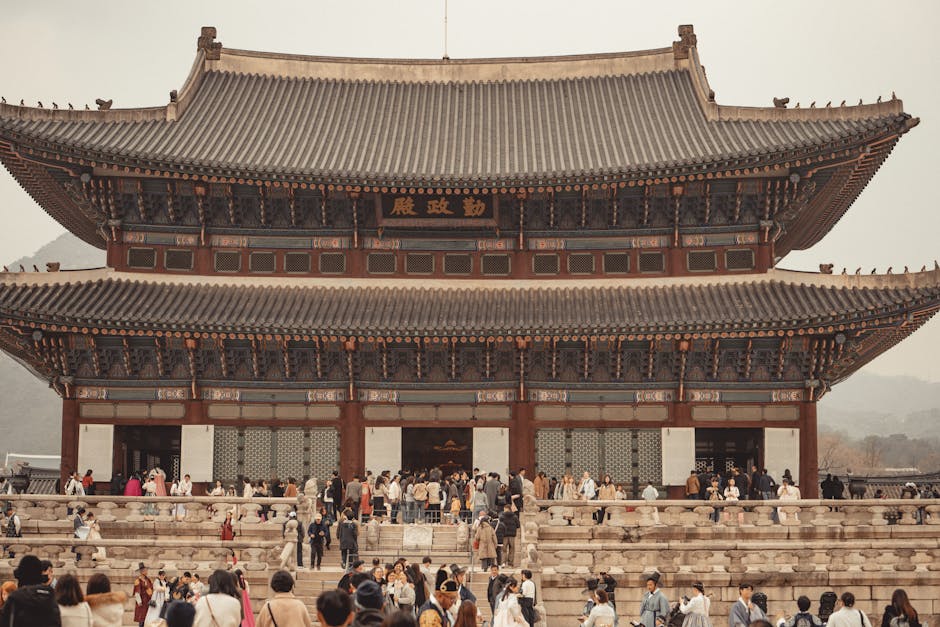
Carry small denominations for entry fees and temple donations. Pack a reusable water bottle with filtration where infrastructure is reliable. Avoid climbing on temple stones or fragile structures; many areas have specific viewing lines and pathways for a reason.
Africa: Safaris With Layers of Heritage
East Africa offers wildlife experiences within landscapes notable for human history. Tanzania’s Ngorongoro Crater region includes Olduvai Gorge, a key archaeological site, alongside renowned safari routes and Mount Kilimanjaro for trekking. Ethiopia’s northern circuit features rock-hewn churches at Lalibela and highland trekking that passes traditional villages.
South Africa’s Cape region combines the Cape Winelands, Table Mountain hiking, and sites that recount complex colonial and apartheid history. These places allow you to contrast natural adventure with cultural learning in the same trip.
Planning Notes and Warnings
Verify operator standards for wildlife viewing and community benefit. Altitude sickness is possible on Kilimanjaro and parts of Ethiopia; gradual acclimatization is essential. Carry local currency for rural areas, and maintain respectful distances from animals.
Americas: Frontier Routes and Indigenous Cultures
South America’s Inca Trail showcases a historic route with mountain scenery and archaeological sites, culminating at Machu Picchu. Peru also offers cultural immersion in Cusco and nearby Sacred Valley communities. Ecuador’s highland haciendas and cloud forest trails balance colonial architecture with biodiversity.
In North America, the U.S. Southwest presents Pueblo and Ancestral Puebloan sites with hiking opportunities in national parks. Mexico’s Yucatán Peninsula mixes Maya ruins with cenote swimming and coastal exploration. Each region allows you to align physical activity with cultural depth.
Steps to Prepare and Protect
Secure permits early for any limited-access trail. Learn the history before arrival to read sites more thoughtfully. Choose operators who hire local staff and contribute to site preservation. Avoid touching or removing anything from archaeological areas.
How to Plan a Balanced Trip
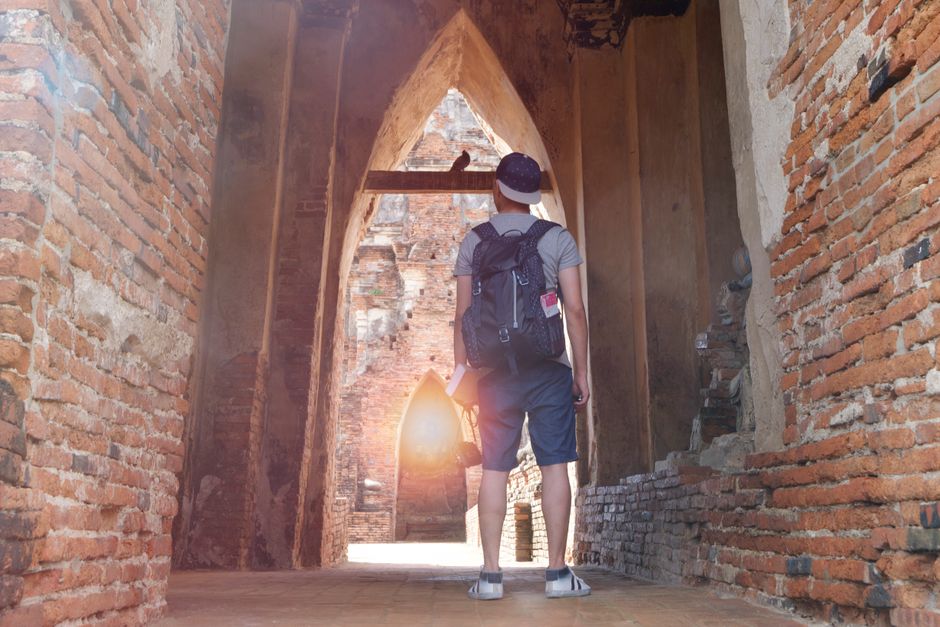
Set a clear focus per day: one cultural site, one outdoor activity, and one local meal or market visit. Mix independent time with guided interpretation for context. Pace your itinerary so you have recovery time, especially in hot or high-altitude environments.
Budget for access fees and guides, which support preservation where tourism is a major funding source. Consider a home base in one region rather than constant transit, reducing carbon impact and deepening your understanding.
Key Decision Points for Travelers
Choose shoulder seasons for better prices and fewer crowds. Select lodging with local ownership where possible. Pack appropriate gear for the adventure type, and carry a small first-aid kit. Check local rules for drones, photography, and trail access before you go.
Frequently Asked Questions
What destinations offer the best mix of history, culture, and adventure?
Portugal’s Douro Valley, Spain’s Camino de Santiago, Jordan’s Petra and Wadi Rum, and Cambodia’s Angkor region consistently deliver a strong combination. Each allows active exploration while protecting historic and cultural sites.
When is the best time to visit places with layered history and trekking?
Generally, shoulder seasons like spring and fall offer mild weather and fewer visitors. Mountain and desert destinations vary; research local rainfall, snow, and heat patterns to avoid extreme conditions.
How can I travel responsibly without sacrificing adventure?
Hire local guides, respect site rules, and choose low-impact activities. Carry reusable essentials, avoid touching artifacts, and select operators that share economic benefits with nearby communities.