
The Ultimate Guide to Exploring Exotic Travel Destinations
Planning a trip to an exotic travel destination can feel overwhelming. This guide helps you choose, prepare for, and enjoy places that offer unique culture, landscapes, and experiences far from the usual tourist trails. You’ll learn how to find reliable information, budget realistically, and stay safe while exploring.
Traveling to less-visited spots requires more thought than a standard vacation. From visas and vaccinations to local customs and sustainable practices, the details matter. This article breaks down the process into clear steps and warnings.
What Makes a Destination “Exotic”?
Exotic travel usually means destinations perceived as unusual, remote, or culturally distinct from a traveler’s home. They often feature landscapes, traditions, or wildlife not found in mainstream tourist hubs. Madagascar’s baobab alleys, Bhutan’s monasteries, or the remote villages of Papua New Guinea fit this idea.
Not every offbeat location is automatically exotic. Factors like accessibility, tourism infrastructure, and cultural norms play a role. Some places, like Iceland’s highlands, are geographically remote but now reasonably accessible, blurring the line.
Key Considerations Before Choosing
Start with your interests and physical limits. A birdwatcher might prioritize the Amazon rainforest, while an archaeology buff could look to Iran or Egypt’s lesser-known sites. Realistic self-assessment helps narrow choices.
Check current travel advisories from your government. Safety conditions can change quickly. Also, consider the season—monsoon rains or extreme cold can make some regions inaccessible or uncomfortable.
Researching Your Destination Thoroughly
Solid research is your best tool. Official tourism websites for countries like Indonesia or Tanzania provide crucial details on entry requirements and local attractions. Pair these with recent travel blogs and guidebooks for on-the-ground perspectives.
Look for forums where travelers discuss current conditions. Websites like TripAdvisor’s offbeat sections or niche Reddit communities offer updates on scams, new tours, or infrastructure changes. Avoid relying on outdated sources.
Reliable Information Sources
Government travel sites (like the U.S. State Department or UK Foreign Office) offer security updates. For health, the CDC and WHO provide vaccination and disease advice for over 200 destinations. These are essential for places with yellow fever or malaria risks.
Local tourism boards can highlight lesser-known spots. For example, Tourism Botswana shares details on Okavango Delta camps, while Namibia’s tourism site covers desert routes. Combine this with traveler accounts for a balanced view.
Budgeting for Exotic Travel
Costs vary widely by destination and travel style. A backpacker trip through Southeast Asia might cost $50 daily, while a luxury safari in Kenya could exceed $500 per day. Allocate funds for flights, visas, gear, and unexpected needs.
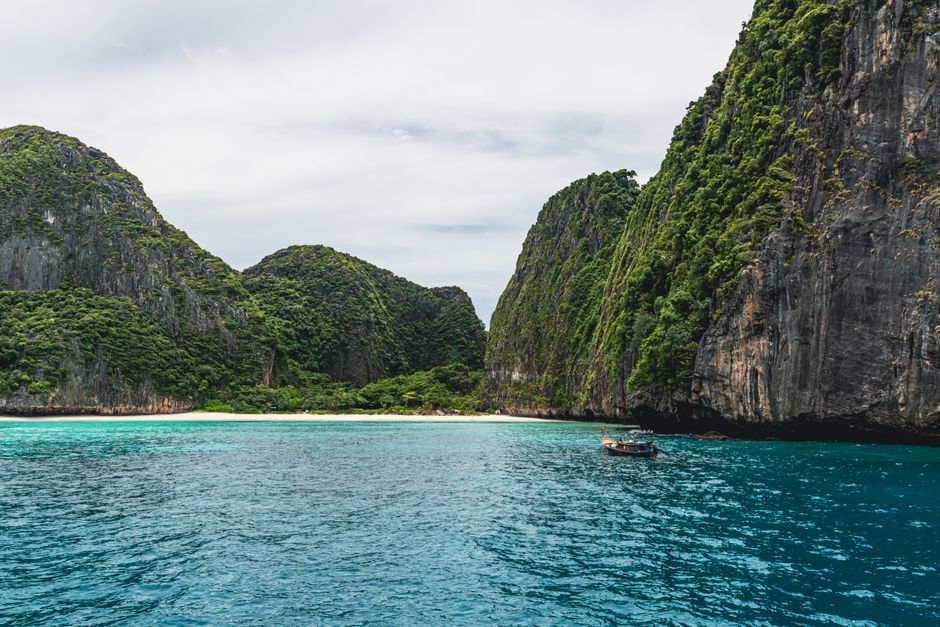
Sample daily costs: Maldives ($200+ for resorts), Bolivia ($30 for budget hostels), Ethiopia ($40 for mid-range stays). Always add a 10-15% buffer for emergencies or spontaneous activities.
Hidden Costs to Watch For
Permit fees and park entry charges add up. Visiting Rwanda’s Volcanoes National Park for gorilla trekking requires a $1,500 permit. Domestic flights in remote countries like Suriname or Bhutan can be expensive and infrequent.
Travel insurance is non-negotiable. Medical evacuation from remote areas can cost thousands. Ensure your policy covers high-risk activities like scuba diving or trekking at altitude.
Visa and Entry Requirements
Many exotic destinations require visas obtained in advance. Others offer visa-on-arrival or e-visas. Always verify requirements through official embassy sources, not third-party sites that may charge extra fees.
Example: India requires an e-visa for many nationalities, applied online weeks before travel. Ethiopia allows visa on arrival for most travelers. Countries like Bolivia offer free entry up to 90 days for many passports.
Passport and Health Documents
Ensure your passport has at least six months’ validity beyond your travel dates. Some countries, like Saudi Arabia, strictly enforce this. Carry printed copies of visas, vaccination records, and travel insurance details.
Yellow fever vaccination is mandatory for entry from certain regions. Check the CDC’s list for requirements. Malaria prophylaxis is recommended for parts of Africa, Asia, and South America.
Packing for Offbeat Locations
Travel light but prepared. Versatile clothing works best—light layers for variable climates, sturdy shoes for rough terrain, and a rain jacket. Include a headlamp, power bank, and water purification tablets for remote areas.
For destinations like Nepal’s Himalayas or Patagonia, include thermal underwear and a first-aid kit. In tropical regions, pack insect repellent and quick-dry fabrics. Avoid overpacking; laundry options may be limited.
Specialized Gear Suggestions
A satellite messenger or personal locator beacon is wise for remote hiking or sailing. Unlocked phone with local SIM cards keeps you connected affordably. Bring a reusable water bottle with built-in filter for safe drinking water.

Travel adapters vary by region. Universal adapters cover most countries, but check for specific needs like Type C in Europe or Type G in the UK. Don’t forget spare batteries and memory cards for cameras.
Staying Safe While Traveling
Register with your embassy before leaving. Share your itinerary with family. Use apps like SafeTrek or bSafe for emergency alerts. Avoid displaying valuables and be cautious with public Wi-Fi, which can expose data to theft.
Cultural respect enhances safety. Dress modestly where required, such as in mosques or villages. Learn basic phrases in the local language—simple greetings can open doors and build trust.
Common Risks and Warnings
Scams targeting tourists exist everywhere. In Morocco, insist on agreed taxi fares before riding. In Southeast Asia, beware of “friendly” guides who overcharge for tours. Research common scams specific to your destination.
Transport safety varies. In some countries, roads are poorly maintained. Choose reputable airlines or bus companies with safety records. Avoid night travel in high-risk areas and always have a backup plan.
Responsible and Sustainable Travel
Your choices impact local communities and ecosystems. Select eco-certified lodges or tour operators. In places like Costa Rica or Rwanda, this supports conservation efforts directly.
Support local economies by buying from small vendors and eating at family-run restaurants. Avoid single-use plastics; many destinations lack recycling facilities. Respect wildlife: never take photos with animals that encourage exploitation.
Minimizing Your Footprint
Offset your flight’s carbon emissions through reputable programs. Choose direct flights when possible to reduce fuel use. Use public transport or bicycles instead of private cars.
Stay longer in one place rather than hopping between destinations. This cuts transportation emissions and deepens your cultural experience. Volunteer with vetted organizations if you want to give back.
Popular Exotic Destinations Compared
Here’s a quick look at contrasts between sought-after spots. Madagascar offers unique wildlife like lemurs and baobabs, but infrastructure is limited. Compare that to Iceland, where landscapes are dramatic but facilities are modern.
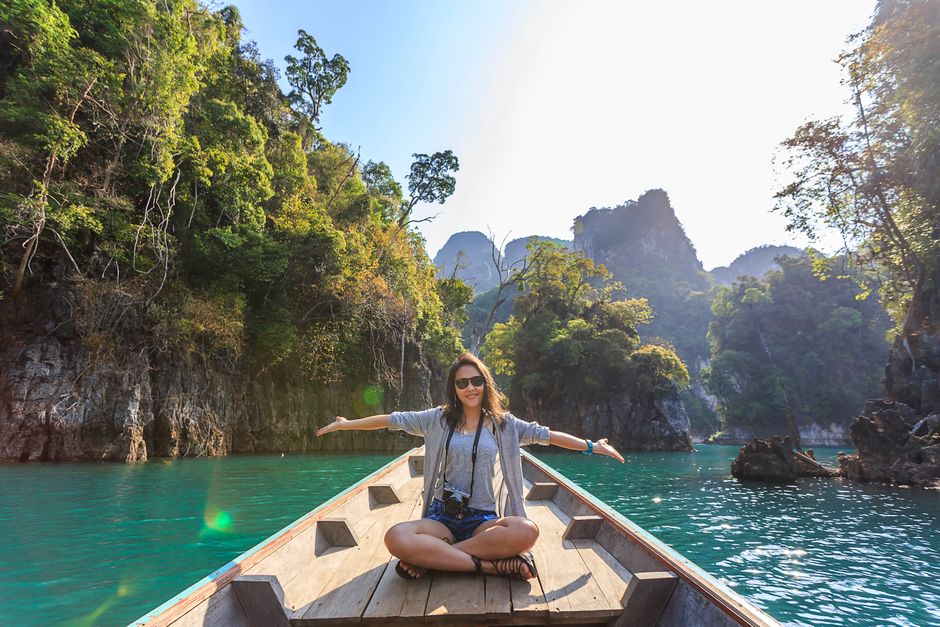
For adventure seekers, Papua New Guinea provides tribal culture and diving, but travel requires patience. Alternatively, Jordan’s Petra combines history and desert landscapes with easier access and tourist services.
Regional Highlights
South America: Bolivia’s salt flats and Amazon rainforest. Asia: Myanmar’s temples or Sri Lanka’s tea country. Africa: Namibia’s dunes and Botswana’s deltas. Each region delivers different climates, cuisines, and activities.
Consider seasonality. The Amazon is wet and lush from December to May, while Namibia is best from May to September. Match your timing to what you want to see and do.
Final Checklist for Your Trip
Before departure, confirm seats on flights, vaccinations, and insurance. Test all gear, like water filters or satellite devices. Print important documents and store digital copies securely.
During travel, stay flexible. Schedules in remote areas may change with weather or local events. Keep spare cash in local currency and a backup debit card. Most importantly, stay curious and open-minded.
FAQ
What is the best way to start planning an exotic trip?
Begin by defining your travel goals and limites. Research destinations through official sites and recent traveler accounts. Create a budget that includes hidden costs and always check visa and health requirements early.
How do I choose a safe exotic destination?
Check government travel advisories and health guidelines first. Look for places with stable infrastructure and positive recent reviews. Consider your personal comfort with risk, such as for remote travel or political situations.
Can I travel exotic on a tight budget?
Yes, by choosing affordable regions like Southeast Asia or parts of South America. Stay in hostels, eat locally, and use public transport. Avoid peak seasons and book flights in advance to save money.