
Top Travel Destinations for Food Lovers and Culinary Explorers
Exploring new places through their food offers a direct path to understanding culture and history. This guide highlights destinations where local dishes tell a story, from street stalls to family-run kitchens. You’ll find specific regions celebrated for unique flavors, techniques, and ingredients that define their culinary identity.
Planning a trip focused on cuisine requires knowing where to go and what to taste. We cover practical advice for navigating markets, ordering specialties, and finding authentic meals. The goal is to help you plan a journey that satisfies your palate and deepens your travel experience.
Why Food Travel Creates Deeper Connections
Food acts as a universal language. Sharing a meal often breaks down barriers faster than any other activity. In many places, recipes are passed down through generations, making each dish a piece of living history.
A culinary journey isn’t just about eating. It involves visiting farms, fishing ports, and spice markets. These interactions provide context for flavors and support local economies in a tangible way.
Northern Italy: A Region of Simple Ingredients
Emilia-Romagna and Piedmont are epicenters for ingredient-focused cooking. The emphasis here is on quality, not complexity. This approach has influenced chefs worldwide.
Pasta and Cheese in Bologna and Parma
Bologna’s identity is tied to handmade pasta like tagliatelle al ragù. The rich, slow-cooked meat sauce clings perfectly to the fresh egg noodles. Local trattorias serve this dish with little variation, showcasing perfected tradition.
A short train ride to Parma brings you to the heart of Parmigiano Reggiano production. Visit a dairy to see wheels aging in climate-controlled rooms. The salty, granular cheese is a cornerstone of the region’s flavor profile.
Wine and Truffles in Piedmont
Piedmont offers a different culinary landscape centered on wine and autumn truffles. Barolo and Barbaresco wines, made from the Nebbiolo grape, pair with rich braised meats. The annual truffle festivals in Alba draw international visitors seeking the prized white variety.
Truffle hunting tours provide a unique look at this underground treasure. Guides use trained dogs to locate fungi near oak and hazel trees. The experience connects you directly to the land and its seasonal rhythms.
Japan: Precision and Seasonality
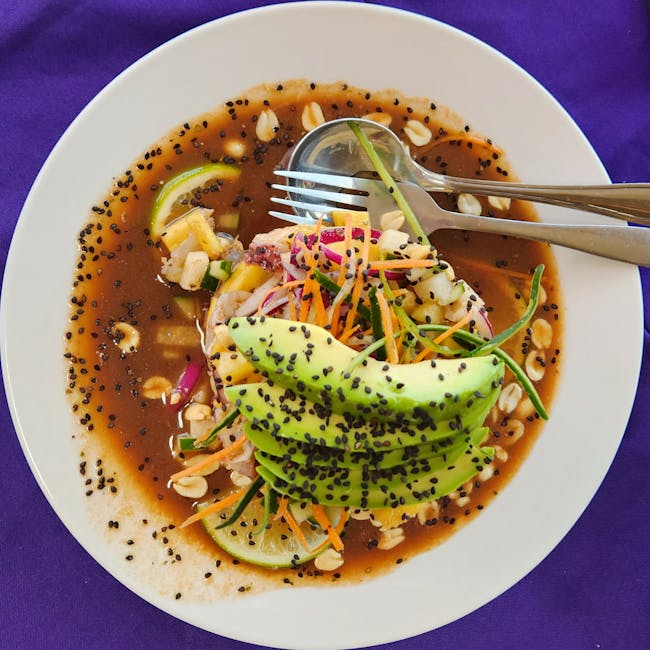
Japanese cuisine, or washoku, is defined by respect for ingredients and seasonal change. This philosophy appears in everything from breakfast to fine dining. Understanding it helps you appreciate meals on a deeper level.
Tokyo’s Diverse Dining Scene
Tokyo has more Michelin stars than any other city, but great food isn’t limited to high-end restaurants. Ramen shops, izakayas, and depachika (department store food halls) offer incredible variety. Each neighborhood has its own specialties.
For example, the Tsukiji Outer Market remains a hub for fresh seafood. Vendors serve sushi and grilled shellfish from early morning. Arriving before 9 AM helps you avoid the largest crowds.
Kyoto’s Kaiseki and Street Food
Kyoto is the home of kaiseki, a multi-course meal that balances taste, texture, and appearance. Chefs select ingredients based on what is available that day. The result is a curated dining experience that changes with the seasons.
Street food in Kyoto offers a more casual counterpoint. Yatsuhashi, a cinnamon-flavored sweet, and karasumi (salted mullet roe) are local favorites. Nishiki Market is a good place to sample these items safely.
Thailand: Balancing Sweet, Sour, Salty, and Spicy
Thai cooking is known for its bold balance of flavors. Fresh herbs, citrus, chilies, and fish sauce create dishes that are both complex and comforting. Street food is central to the daily life in Bangkok and beyond.
Bangkok’s Street Food Hubs
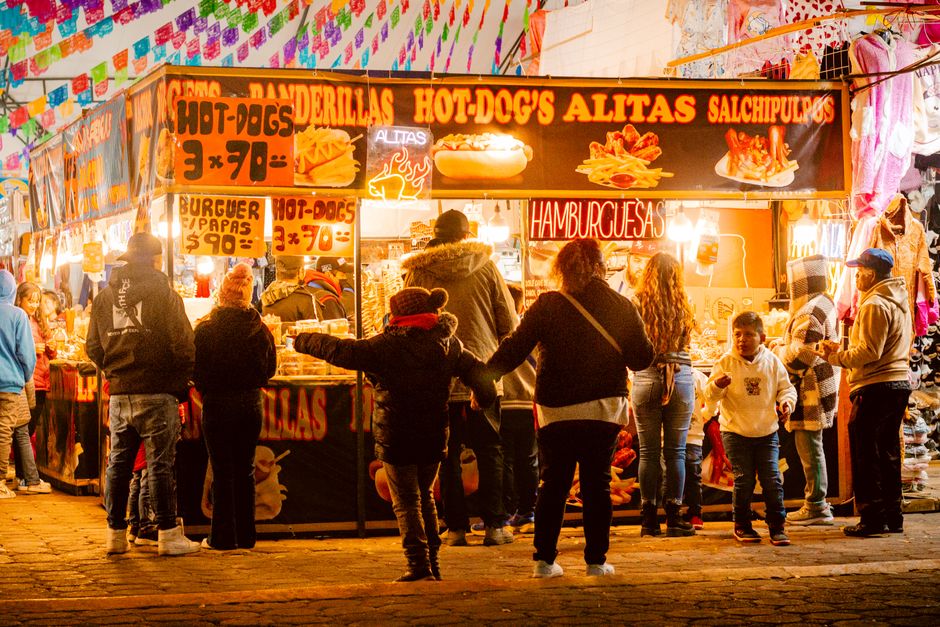
Yaowarat (Chinatown) and Khao San Road are famous for their night markets. You can find pad thai, som tam (green papaya salad), and grilled meats cooked to order. Food safety is generally good at established stalls with high turnover.
When eating street food, watch how locals order. They often point to ingredients or pre-made dishes displayed on carts. This method is faster and reduces language barriers.
Chiang Mai’s Northern Specialties
Chiang Mai offers dishes you won’t find in the south. Khao soi, a coconut curry noodle soup, is the city’s signature dish. It’s rich but balanced, often topped with crispy noodles and pickled mustard greens.
The Sunday Walking Street market is an ideal spot to sample multiple dishes at once. Local families sell recipes from their homes. Bring small bills and be prepared to eat on the go.
Mexico City: A Modern Mecca for Mexican Cuisine
Mexico City has transformed into a global food destination. Its culinary scene blends ancient traditions with modern innovation. From street tacos to fine dining, the variety is staggering.
Street Tacos and Market Stalls
The taco al pastor, influenced by Lebanese shawarma, is a must-try. Look for trompo spit-grills covered in marinated pork. The best stands often have a line of locals waiting for fresh cuts.
Mercado de San Juan is a gourmet market where you can find rare ingredients like insects and exotic meats. It’s a place to see the full scope of Mexican produce. Sampling here is encouraged.
Contemporary Mexican Restaurants
Chefs like Enrique Olvera have redefined Mexican cuisine at restaurants such as Pujol. The dishes focus on heirloom corn, native chilies, and traditional techniques. These establishments often require reservations weeks in advance.
For a more accessible experience, try a tasting menu at a smaller bistro. Many chefs source directly from small farms. This farm-to-table movement supports sustainability and flavor quality.
Understanding Local Food Culture
Every destination has unspoken rules about eating. Observing local customs shows respect and enhances your experience. A little research beforehand goes a long way.
Meal Times and Etiquette
In Spain, lunch is the main meal and often starts after 2 PM. Dinner is late, sometimes after 9 PM. Adjusting your schedule helps you find open restaurants and avoid the tourist rush.
In Japan, slurping noodles is acceptable and shows enjoyment. Tipping is not customary and can be considered rude. Understanding these nuances helps you blend in.
How to Find Authentic Meals
Look for places full of locals, not just tourists. Menus with translations for every item can be a sign of a tourist trap. If possible, ask hotel staff or taxi drivers for their favorite spots.
Food tours can be a practical starting point. Guides explain ingredients and history while you taste. They often access places you might miss on your own.
FAQ: Planning Your Culinary Trip
What is the best way to find street food safely?
Choose stalls with high turnover and a line of locals. Watching the vendor prepare food in front of you adds a layer of assurance. Starting with cooked items is a good precaution for sensitive stomachs.
How should I budget for food-focused travel?
Allocate more for meals than typical sightseeing. In many places, a great meal can cost less than a museum ticket. Prioritize one or two special dining experiences per day while keeping other meals affordable.
Do I need to learn basic phrases for ordering food?
Knowing a few key phrases like “please,” “thank you,” and “what do you recommend?” helps immensely. Pointing at menus or dishes is also effective. Locals appreciate any effort to communicate.