
A Complete Travel Guide to Exploring Asia’s Hidden Wonders
This guide directs you to lesser-known corners of Asia where authentic experiences and quiet beauty are still intact. It outlines specific regions, practical travel steps, and cultural context to help you plan a meaningful trip beyond crowded landmarks. You will find clear examples, comparisons, and safety notes to make your journey smoother.
Asia’s hidden wonders include remote islands, ancient villages, and mountain passes that many travelers overlook. This article focuses on places you can actually visit, with realistic timelines, costs, and transport options. It avoids hype and sticks to grounded advice.
What Makes a “Hidden Wonder” in Asia?
A hidden wonder is not just an obscure spot. It is a place that offers genuine cultural interaction, natural beauty, and relative peace without extreme risk or impractical access. The term can apply to a village, a trail, a temple, or a coastline.
Key traits include limited mass tourism, preservation of local traditions, and infrastructure that is adequate but not overwhelming. These places reward slow travel and respectful curiosity.
Choosing the Right Region for Your Interests
Asia spans deserts, rainforests, high mountains, and archipelagos. Your interests should guide your choice. For example, if you prefer hiking, look to the Himalayas or the Japanese Alps. If you want coastal solitude, consider the islands of Southeast Asia.
Compare regions by climate, travel time, and language barriers. A remote Philippine island might offer stunning beaches but require multiple boat transfers. A mountain village in Bhutan is culturally rich but needs a guided tour.
Japan: Beyond Tokyo and Kyoto
Japan has many quiet corners that remain outside the standard tourist circuit. The Iya Valley in Shikoku is a deep gorge with vine bridges and traditional thatched houses. It is accessible by train and bus from Okayama, but the journey takes time.
The Oki Islands in the Sea of Japan are a UNESCO Global Geopark. They offer hiking, cycling, and ancient shrines. Ferry services connect them from Sakaiminato, but schedules are seasonal.
Practical Steps for Rural Japan
Book accommodation in advance, especially for small towns. Ryokans and guesthouses fill up quickly during peak seasons. Use Japan Rail passes for efficient train travel, but note that some remote areas require local buses.
Car rental is an option for places like the Iya Valley. Driving is straightforward, but roads are narrow. International driving permits are mandatory.
Indonesia’s Lesser-Known Islands
Beyond Bali and Lombok, Indonesia holds thousands of islands. Sumba is known for its unique ikat textiles and megalithic villages. It is reached by flight from Bali or Surabaya, but internal flights are irregular.
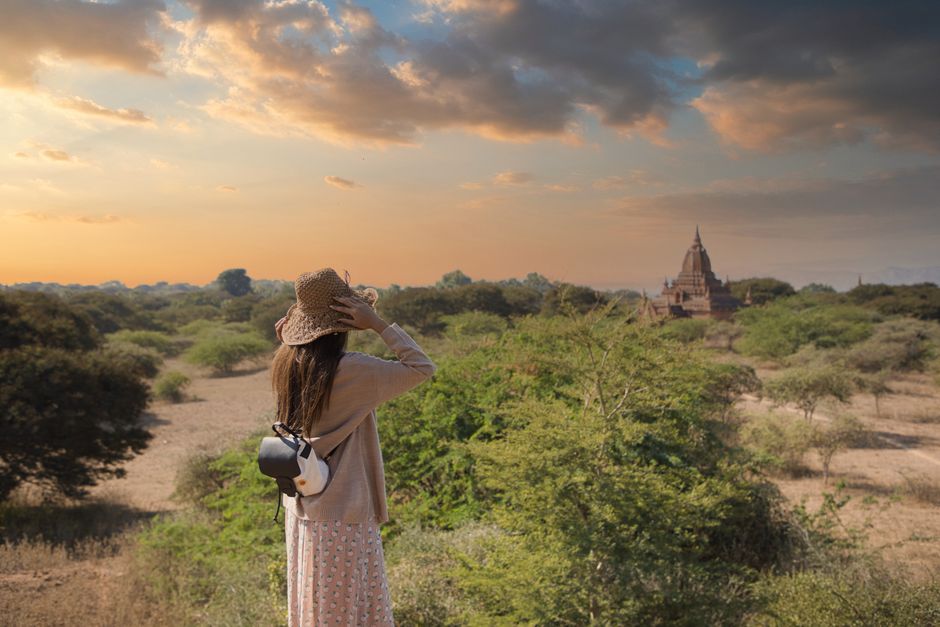
The Banda Islands in Maluku offer historic nutmeg plantations and world-class diving. Access is via ferry from Ambon or a small plane from Makassar. Travel there requires patience and flexibility.
Comparing Sumba and the Banda Islands
Sumba is drier and more rugged, with a focus on cultural festivals and horse riding. The Banda Islands are marine-centric, with clear waters and Dutch colonial ruins. Choose Sumba for land-based exploration and Banda for underwater adventures.
Both destinations have limited ATM availability. Carry sufficient cash in Indonesian rupiah. Mobile data can be spotty; consider purchasing a local SIM card where signal exists.
Nepal’s Hidden Valleys
The Everest and Annapurna regions draw most visitors. For solitude, consider the Upper Mustang region or the Rara Lake area. Upper Mustang requires a special permit and a guided trek. It is a former kingdom with Tibetan-influenced culture.
Rara Lake is Nepal’s largest and is surrounded by pine forests. It is accessible by road from Jumla or a short flight. The trail is moderate but less crowded.
Permits and Guides for Remote Treks
Upper Mustang trekking permits are expensive and regulated. You must book through a registered trekking agency. The region is sensitive; follow Leave No Trace principles.
Rara Lake does not require special permits beyond the national park fee. Hiring a local guide is recommended for navigation and cultural insight. Teahouse lodging is basic but adequate.
Hidden Gems in Vietnam and Cambodia
Vietnam’s Ha Giang Loop is a motorbike route through dramatic karst scenery. It is popular among backpackers but still feels remote. The road is challenging; ensure you have experience and a reliable bike.
In Cambodia, the temple of Beng Mealea is largely unrestored and covered in jungle. It is less visited than Angkor Wat but offers a raw, adventurous feel. Access is by road from Siem Reap.
Safety and Infrastructure Notes
Ha Giang Loop weather changes rapidly. Bring rain gear and check road conditions. Mobile coverage is limited outside towns. Fuel stations are sparse, so carry extra petrol.
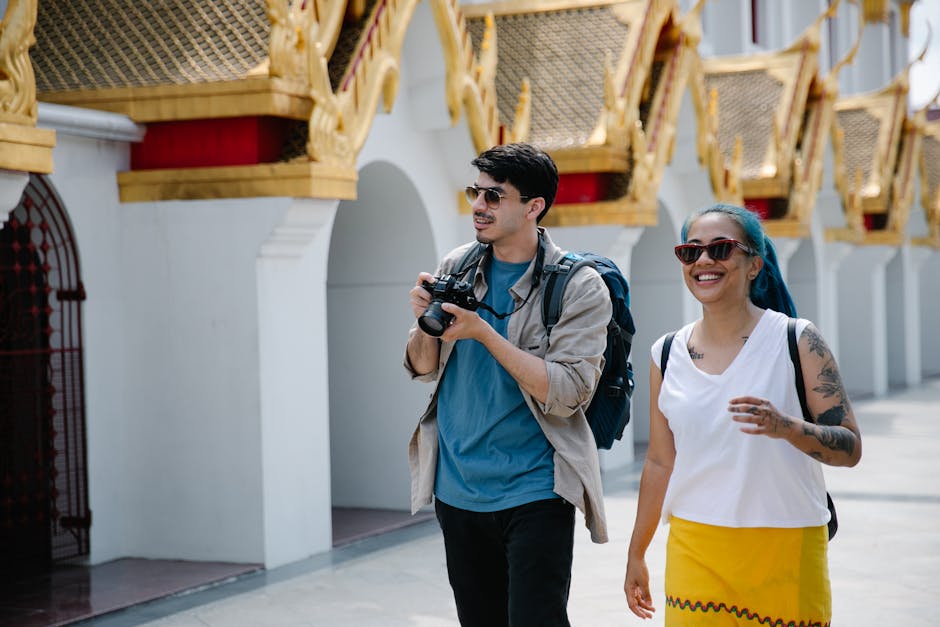
Beng Mealea has uneven stones and fallen trees. Wear sturdy shoes and avoid climbing on unstable structures. Hire a local driver or guide for the best experience.
South Korea’s Rural Beauty
South Korea’s cities are dynamic, but its countryside offers quiet temples and scenic trails. The Jeju Olle Trail is a network of coastal paths on Jeju Island. It is well-marked and suitable for all fitness levels.
For mountain scenery, visit the Seoraksan area beyond the main park entrance. Small villages like Hyeongje-ri offer homestays and hiking access. Buses connect from Sokcho or Seoul.
Seasonal Considerations
The Jeju Olle Trail is best in spring and autumn. Summer brings humidity and typhoons; winter can be icy. Check trail conditions before starting.
Seoraksan is vibrant in autumn foliage season. It is crowded then, but early morning visits offer peace. Winter hiking requires proper gear and caution.
Food, Culture, and Etiquette
Each region has distinct culinary traditions. In Sumba, try smoked pork and palm wine. In Upper Mustang, expect hearty noodle dishes and butter tea. Be open to tasting local specialties, but ask about ingredients if you have allergies.
Cultural respect is critical. Dress modestly at temples and sacred sites. Ask permission before photographing people. Learning a few local phrases goes a long way.
Key Etiquette Takeaways
In Japan, bow slightly when greeting. Remove shoes indoors. In Indonesia, use your right hand for eating and handing objects. In Nepal, walk clockwise around stupas and mani walls.
These small gestures show respect and enrich your interactions. They also help avoid misunderstandings.
Planning Your Trip: Timeline and Budget
A two-week trip can cover one region deeply. A month allows for multiple areas with travel days in between. Budget varies widely: rural Japan can be mid-range, while Southeast Asia is generally lower cost.
Flights are the biggest expense. Book early and use fare alerts. Local transport is affordable but can add up with multiple destinations.
Sample Itinerary Ideas
For nature and culture: 4 days in Japan’s Iya Valley, 4 days in Sumba, 4 days in Upper Mustang. This requires advance planning and flexible booking.
For coastal exploration: 5 days on the Banda Islands, 4 days on Jeju Olle Trail, 3 days in Ha Giang. This balances relaxation and adventure.
Common Questions About Asia’s Hidden Wonders
How do I find reliable information on off-the-beaten-path destinations?
Use travel blogs written by recent visitors, official tourism boards, and guidebooks like Lonely Planet. Join forums focused on specific regions. Cross-check details with multiple sources.
What is the best time to visit these places?
Shoulder seasons—spring and autumn—often offer good weather and fewer crowds. Check local climate patterns; monsoon seasons vary across Asia. Avoid major holidays when domestic tourism peaks.
Are these destinations suitable for solo travelers?
Many are, but some require guides or permits. Research safety and infrastructure. Share your itinerary with someone you trust. Consider joining small group tours for remote areas.
Final Takeaways for Your Journey
Exploring Asia’s hidden wonders requires research, respect, and flexibility. Focus on a few regions to travel meaningfully. Support local economies and minimize your environmental impact.
This guide to A Complete Travel Guide to Exploring Asia’s Hidden Wonders is a starting point. Adapt it to your interests and pace. The rewards are genuine connections and lasting memories.