
The Ultimate Backpacking Travel Guide for New Adventurers
Backpacking lets you see the world on your own terms, but starting out can feel overwhelming. This guide breaks down the first steps: choosing the right gear, planning a realistic route, staying safe, and sticking to a budget. You’ll find practical advice you can use right away, from packing a bag that fits your body to finding a place to sleep without surprises.
We’ll cover what matters most for your first trip, with clear examples and common pitfalls to avoid. The goal is to help you leave home feeling prepared, not anxious.
What Is Backpacking?
Backpacking is independent travel where you carry your belongings in a pack and move from place to place. It often involves walking, using public transport, and staying in hostels, campsites, or budget guesthouses. The focus is on flexibility, low cost, and immersion.
For new adventurers, this style of travel means making choices about what to bring, where to go, and how to move. It rewards planning but also calls for adaptability when things change.
Why Backpacking Appeals to New Travelers
Backpacking is affordable compared to package tours. You set your pace and change plans if you find a better option. It also encourages direct contact with local culture, since you rely on public spaces, markets, and small inns.
The trade-off is that you manage more details yourself. You learn to solve problems on the go, which builds confidence and saves money over time.
Choosing Your First Destination
Pick a place that matches your comfort level and interests. Consider climate, language, safety, and how easy it is to get around. For a first trip, shorter distances and clear transport links help reduce stress.
Good starter regions include Southeast Asia, parts of Europe, and Central America. Each offers strong backpacker infrastructure, affordable food and lodging, and routes that are easy to follow.
Compare Popular Starter Regions
Southeast Asia is known for low costs and frequent transport. Europe has more structure and higher prices but extensive rail networks. Central America balances adventure and accessibility, with compact travel distances.
Think about what you want from the trip. Quiet treks, city exploration, or beach time will steer your choice.
Backpacking Gear Essentials
Your pack is the core investment. Choose a pack that fits your torso and carries weight on your hips, not your shoulders. For most trips, a 40-50 liter pack works well.
Keep clothing simple and based on layers. A merino or synthetic base layer, a mid-layer fleece, and a waterproof shell cover most conditions. Shoes should be broken in before you leave.
Shelter and Sleep Systems
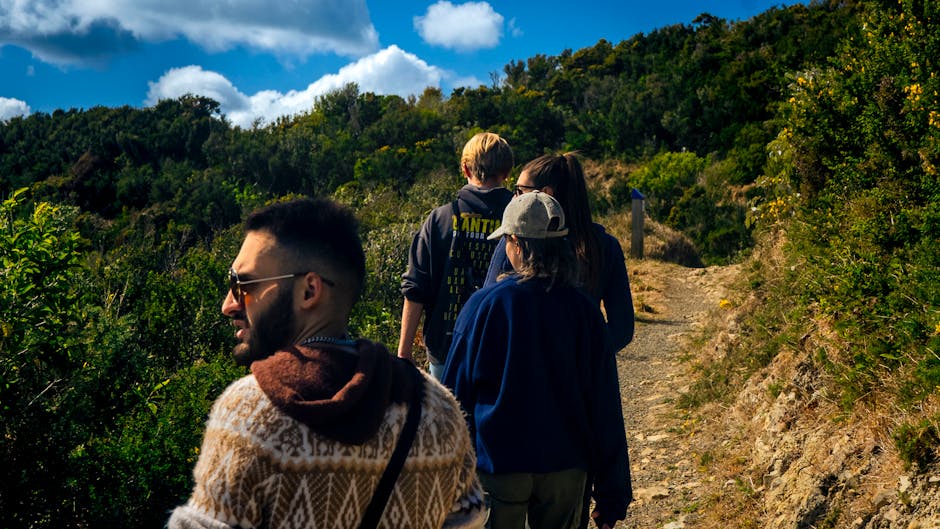
For hostel stays, a sleep sheet and eye mask improve comfort. If camping, match your tent and sleeping bag to the climate. A three-season bag is a safe start for cooler mountain areas.
Check if your destination requires a specific tent type or has restrictions on open fires. Some parks only allow stoves or designated camp sites.
Navigation and Safety
Download offline maps before you go. Carry a paper map and a small compass as a backup. A basic first aid kit, water filter, and headlamp are practical for most routes.
Share your itinerary with a trusted contact. Check local emergency numbers and know where to find a clinic or pharmacy in larger towns.
Packing Smart: What to Bring and What to Skip
Lay out everything you plan to pack, then remove a third. Most new travelers carry too much. If you’re unsure, leave it behind; you can buy almost anything on the road.
Use packing cubes to organize clothing and separate clean from dirty items. Keep your heaviest gear close to your back and your daily essentials in easy-to-reach pockets.
Essentials Checklist
- Passport, visas, and copies of important documents
- Debit or credit card with low foreign fees
- Reusable water bottle and small water filter
- Compact first aid kit and any personal medication
- Chargers, power adapter, and a small power bank
- Travel towel, soap, and basic toiletries
Budgeting for Your First Backpacking Trip
Set a daily budget based on your destination. In Southeast Asia, 30-50 USD per day covers hostels, local food, and transport. In Europe, expect 50-100 USD, depending on the country and season.
Track spending daily with a simple app or notebook. Allocate a buffer for unexpected costs like a missed bus or a medical visit.
Save Money Without Missing Out
Eat where locals eat for better prices and flavor. Choose overnight buses or trains to save on a night’s lodging. Walk or use bike rentals in cities to avoid taxi costs.
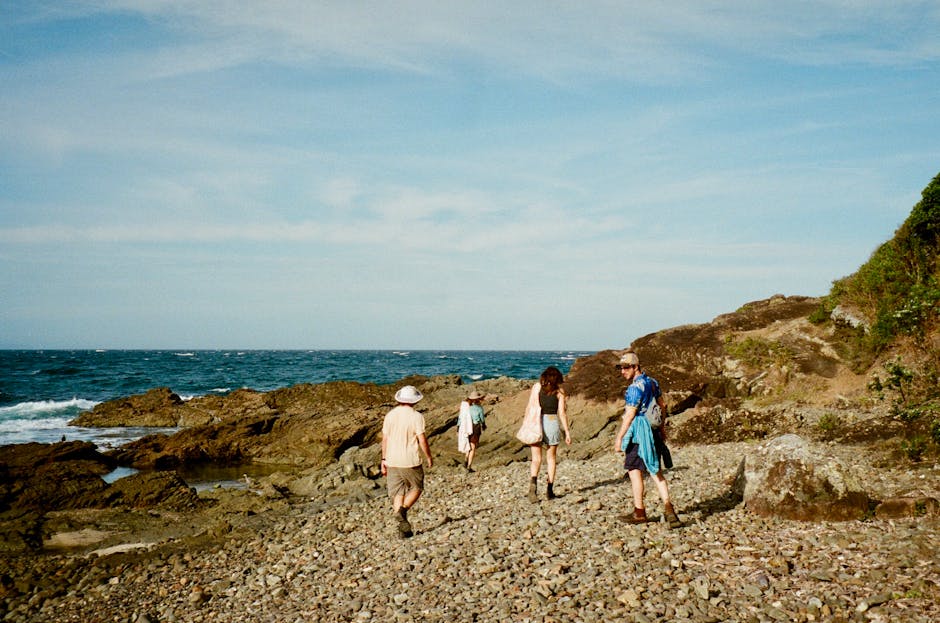
Book flexible tickets when possible. Weather, illness, or new friends can change your plans.
Planning Your Route and Itinerary
Start with a loose plan that covers key stops and transport links. Avoid packing too many places into a short time; transit days are tiring. Two to three bases per week is a good pace for beginners.
Check seasonal factors. Monsoon rains, snow closures, or peak tourist months can affect access and prices.
Balance Structure and Flexibility
Reserve your first night’s lodging to ease arrival stress. Leave middle days open to follow tips from locals or other travelers. Book departures that let you change dates if you need to.
Keep a short list of alternatives for each stop. If a hostel is full or a hike is closed, you can switch without losing time.
Staying Safe on the Road
Trust your instincts. If a situation feels off, walk away. Choose well-lit routes at night and keep valuables out of sight.
Keep digital and paper copies of your passport and key documents. Store them separately from the originals.
Common Hazards and How to Avoid Them
Transport scams are common in busy stations. Confirm prices before boarding and use official ticket counters. Street food is safe if it’s cooked in front of you and served hot.
Water quality varies. Use a filter, boil water, or choose sealed bottles. Insect bites can be more than a nuisance; pack repellent and know the signs of serious reactions.
Meeting People and Staying Connected
Hostels and guesthouses are easy places to meet fellow travelers. Join a group walk, a cooking class, or a local market visit to break the ice. Shared meals and day trips build natural connections.
For internet access, buy a local SIM or use an eSIM if your phone supports it. Download offline maps and translation tools before heading into remote areas.
Respectful Travel and Local Customs
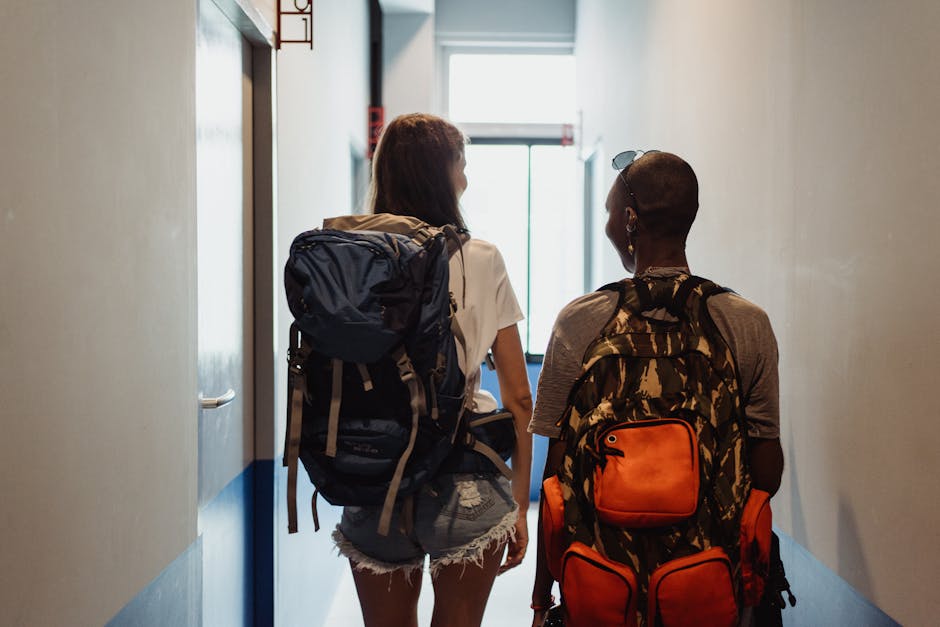
Learn a few basic phrases. “Hello,” “thank you,” and “please” go a long way. Dress appropriately for religious sites and conservative communities.
Ask permission before taking photos of people. Support local businesses when you can, and be mindful of your waste and water use.
Common Mistakes New Backpackers Make
Carrying a pack that is too big is a top error. It leads to fatigue and cramped transport. Choose the right size and keep weight under 10-15 kg for comfort.
Over-planning is another pitfall. Leave room for spontaneity. Skipping travel insurance to save money can be costly if you need medical care or have to cancel.
Step-by-Step Checklist Before You Leave
- Confirm passport validity and required visas
- Set up travel insurance and add emergency contacts
- Notify your bank and set up travel alerts
- Download offline maps and key apps
- Break in your shoes and test your pack with weight
- Plan your first night and a rough route
FAQ
How much does a first backpacking trip usually cost?
Costs vary by region. Budget 30-50 USD per day in parts of Southeast Asia and 50-100 USD in much of Europe. Include transport, lodging, food, and a small buffer for incidents.
What size pack is best for a beginner?
A 40-50 liter pack fits most first trips. It handles a week of clothing, a sleep system, and essential gear without being too bulky. Focus on a pack that carries weight on your hips.
Do I need travel insurance for backpacking?
Yes, it’s recommended. Insurance can cover medical emergencies, trip delays, and lost luggage. Read the policy to understand coverage for activities like hiking or motorbiking.
Putting It All Together
Start small, plan smart, and stay flexible. This ultimate backpacking travel guide gives you a practical foundation for your first trip. With the right gear, a clear budget, and a respectful approach, you can explore confidently and enjoy the journey.