
Discover Magical Landscapes and Natural Wonders Worldwide
From towering volcanic peaks to hidden desert valleys, the planet holds sights that feel almost unreal. This guide points you to specific places where geology, light, and scale combine to create lasting memories. You will find practical tips, comparisons, and warnings to help you plan smarter trips.
The goal is to help you discover magical landscapes and natural wonders worldwide with clear steps and grounded examples. No fluff, just the details that matter for planning and safety.
What Makes a Natural Wonder Feel Magical
Magic in a landscape often comes from contrast. Sharp peaks against a calm lake, dark caves with a single light beam, or colors that seem painted by hand. Scale matters too, but so does accessibility and timing.
Weather, light, and season shape how a place looks and feels. A waterfall may roar in spring but slow to a trickle by late summer. A slot canyon can vanish in a flash flood, yet glow in late afternoon sun.
Light and Timing
Golden hour and blue hour change everything. The same cliff face can look flat at noon and textured at dusk. In New Zealand, Milford Sound is often misty in the morning, then clears to reveal waterfalls you may have missed.
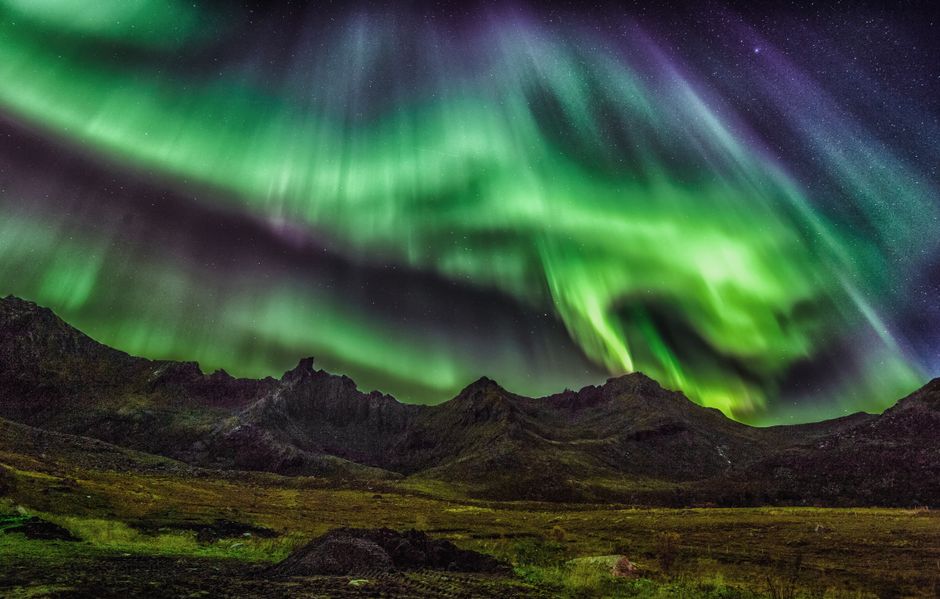
Plan around the light. In Iceland, northern lights require darkness, so aim for September to March. In Utah, canyon light is best midday when shadows are minimal for wall textures.
Seasonal Access
Some sites close in winter due to snow or road conditions. Alaska’s Denali National Park roads may only open fully in summer, while parts of Patagonia are most stable in the southern summer.
Shoulder seasons often offer balance. Fewer crowds, moderate prices, and decent weather. Just pack layers and check road statuses before you go.
Iceland: Fire, Ice, and Color
Iceland packs variety into a compact island. You can walk on a glacier, watch a geyser erupt, and drive a black sand coast in a single day. The country’s landscapes shift every few miles.
A popular loop lets you see waterfalls, hot springs, and volcanic beaches. But even short trips can cover major highlights if timed well.
Must-See Spots
Svartifoss falls over basalt columns in Skaftafell. Jökulsárlón glacier lagoon drifts icebergs past a black beach. The Jökulsárlón ice beach is dotted with clear shards catching sunrise.
For active hikers, Thorsmork valley offers ridges and river crossings. A 4×4 or guided tour is wise in spring when river levels rise.
Practical Tips
Roads can change fast. Check road.is and the weather forecast before driving. Heavy rain can make gravel roads slippery, and fog can reduce visibility quickly.
Respect hot spring etiquette. Reykjadalur’s geothermal river is popular; arrive early and follow local rules on washing before entering water.
Patagonia: Granite Towers and Blue Ice
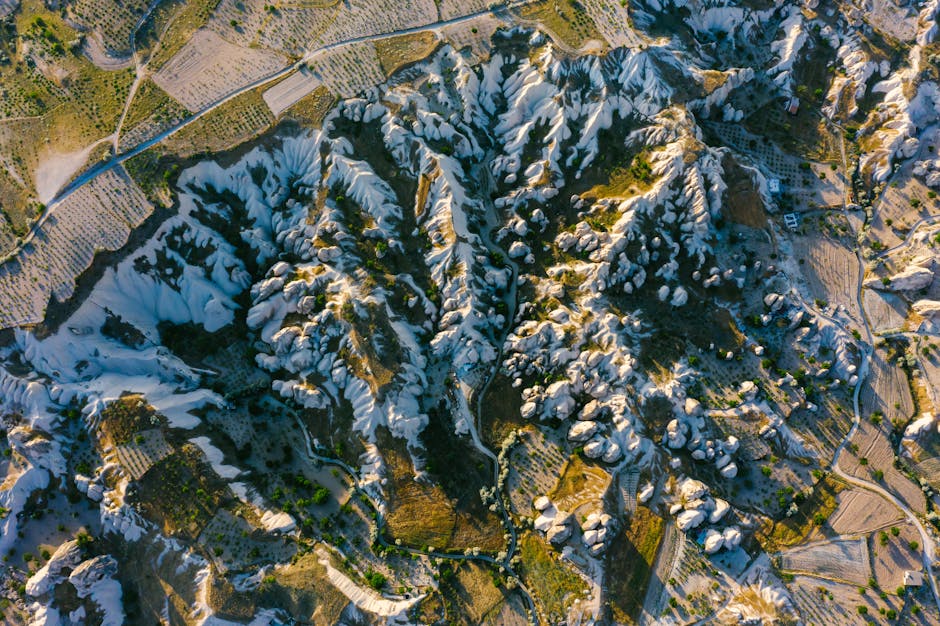
Torres del Paine and Los Glaciares National Park deliver two different Patagonian experiences. One centers on granite spires and grasslands, the other on a massive ice field and a growing glacier.
Wind is a constant companion here. Strong gusts shape itineraries, especially for multi-day treks.
Torres del Paine
The W Trek is a 4-5 day route that hits the towers, the French Valley, and Grey Glacier. Refugios and campsites book months ahead in peak season.
If time is short, day hikes from the park’s main areas still deliver big views. Pick a trail based on current weather, not just a fixed plan.
Perito Moreno Glacier
This glacier near El Calafate is one of the few that is stable or growing. It calves dramatically into a lake, and catwalks make viewing both safe and immersive.
Guided ice trekking is available for a closer look. Check group size and physical requirements before booking, as conditions vary.
United States Canyon Country: Dry and Dramatic
Utah and Arizona hold some of the most photogenic canyons and arches on Earth. The landscape is dry, with sharp light that reveals every layer.
Access is generally good, but summer heat and sudden storms are real risks.
Zion and the Narrows
The Narrows is a slot canyon hike in the Virgin River. Spring and early summer often offer the best water levels, but rain upstream can cause flash floods.
Check the flash flood forecast with the park before you go. Rent proper canyoneering shoes and a dry bag for electronics.
Bryce and Grand Canyon
Bryce Canyon’s hoodoos glow at sunrise. Trails like Peekaboo and Navajo Loop offer easy to moderate routes with big payoff.
The Grand Canyon changes by viewpoint. South Rim is accessible year-round; the North Rim closes in winter. Each side offers a distinct experience of scale and light.
East Africa: Volcanoes and Savanna
Rwanda and Tanzania deliver two sides of East African magic. One is volcanic and misty, the other is open and expansive.
Both require planning around permits, weather, and animal movements.
Rwanda’s Volcanoes
Volcanoes National Park is home to mountain gorillas. Permits are limited and required, with treks ranging from short to strenuous depending on the group’s location.
Porters are available and often make a big difference in comfort. Pack waterproof layers and sturdy boots, even in dry season.
Serengeti and Ngorongoro
The Serengeti is vast, and timing the Great Migration is key. Calving season in the southern plains attracts predators, while river crossings peak later in the year.
Ngorongoro Crater offers dense wildlife viewing from a single rim. The descent road is steep; book lodging on the rim if you want early crater access.
Asia: Deserts and Terraced Fields
Mongolia and the Philippines offer stark contrasts. One is open grassland and desert, the other is island coastlines and rice terraces.
Both reward flexibility and respect for local conditions.
Mongolia’s Gobi Desert
The Gobi mixes dunes, canyons, and camel pastures. Khongoryn Els has singing dunes that shift with the wind, while Bayanzag is known for dinosaur fossils and vivid sunsets.
Travel is often via 4×4 and ger camps. Bring extra fuel and water, and expect limited cell coverage outside towns.
Banaue and Batad Rice Terraces
These terraces in the Philippines were carved over generations. Views are best at sunrise or after a light rain when the terraces hold water and reflect the sky.
Stay in Batad to access more trails and fewer crowds. Wear grippy shoes for steep paths and step carefully on the narrow walls.
Oceania: Glaciers and Ancient Forests
New Zealand balances ice and green in close proximity. South Island glaciers contrast with temperate rainforests, while Australia holds coastal forests that feel prehistoric.
Access and weather vary by region, but both places reward a paced itinerary.
New Zealand’s Glaciers
Fox and Franz Josef glaciers descend through rainforest to near sea level. Guided ice walks are common; scenic flights show scale you cannot see from the ground.
Cloud cover can change plans quickly. Have a backup activity for the same day in case flights are grounded.
Tasmania’s Rainforests
Cradle Mountain and the Franklin-Gordon area offer moody forests and alpine views. Short boardwalks make many spots accessible without specialized gear.
Weather turns fast in the highlands. Pack layers and check track conditions before heading out.
How to Plan a Trip That Matches Your Goals
Start with what matters to you: wildlife, photography, or quiet time alone. Choose two or three places per trip instead of rushing through many. Prioritize experiences over ticking boxes.
Build a flexible schedule. Book key permits and lodging early, but leave some days open for weather and local tips.
Choose Your Style
Lodging ranges from backcountry camping to luxury eco-lodges. Steep, remote trails often favor lightweight gear, while accessible parks work well for day trips.
If traveling with family or less experienced hikers, pick regions with shorter trails and nearby amenities.
Respect and Safety
Follow local guidelines, stay on marked paths, and never approach wildlife. Carry a map even if you use a phone, since batteries can die and signals fail.
Leave no trace. Pack out trash, and avoid disturbing plants or rock formations that others will enjoy later.
Travel Planning FAQ
What is the best time to visit natural wonders?
Timing depends on the site. Northern lights are best in winter in the Arctic, while high mountain trails are safest in summer. Shoulder seasons often provide the best balance.
How can I reduce my impact on fragile environments?
Stay on established trails, pack out all waste, and avoid touching delicate formations. Choose licensed guides and respect seasonal closures designed to protect wildlife and plants.
Do I need special gear or permits?
Many sites require permits for hiking or wildlife viewing. Gear needs vary from basic layers to helmets and ropes for certain canyons. Always check local requirements before you go.