
The Most Scenic Travel Destinations for Nature Photography
Finding locations that combine dramatic landscapes with unique light and wildlife is key for capturing memorable images. This guide highlights specific places where photographers can practically apply their skills and find endless subjects. We cover locations known for their geological features, seasonal changes, and accessibility for different skill levels. Each destination offers distinct advantages for composition and lighting, from coastal sunrises to mountain reflections. Planning your trip around these spots will help you return with a more focused and impressive portfolio.
What Makes a Destination Ideal for Nature Photography
The best spots offer reliable access, diverse subjects, and conditions that suit various lighting times. Consider destinations with varied topography, such as coastlines meeting mountains, which provide multiple foreground and background elements in a single frame. Seasonal events like fall foliage or migratory patterns add temporary but powerful subjects to your itinerary. Light quality often depends on altitude and latitude, so research typical weather and atmospheric conditions for your chosen time of year. A location with multiple vantage points within a small area allows you to adapt if initial conditions are poor.
Planning Your Shot List
Before traveling, identify specific landmarks or natural phenomena you want to capture. Use topographic maps and photography apps to scout locations and understand sunrise and sunset angles. This preparation prevents wasting time searching for compositions once you arrive. Local birding or hiking forums often share recent sightings and conditions that aren’t in standard guidebooks.
Torres del Paine National Park, Chile
Patagonia’s granite towers and blue glaciers create a landscape that changes rapidly with weather. The park’s W-trek route provides access to lake reflections, wind-sculpted trees, and the Cuernos del Paine peaks. Photographers often shoot at dawn for soft light on the mountains and at dusk for alpenglow. Be prepared for swift weather shifts—clear skies can turn to snow within an hour, which sometimes adds drama to your shots. Popular viewpoints like Mirador Cuernos have established spots for tripods, but arriving early is essential for a clear frame.
Key Subjects and Timing
The Grey Glacier offers stark blue contrasts against dark rock, best photographed from a boat tour or the nearby lookout. Patagonian guanacos and ñandú birds attract wildlife photographers, especially in the valleys. Visit between October and March for longer daylight and milder conditions, though shoulder seasons reduce crowds. Note that trails may close due to snow in early spring or late fall.
The Scottish Highlands, United Kingdom
Moody skies, ancient castles, and lochs with minimal light pollution make the Highlands a prime spot for landscapes. Locations like Glencoe and the Isle of Skye offer textured hillsides and waterways that reflect dramatic clouds. The region’s soft, diffused light suits long exposures and minimizes harsh shadows, a benefit for beginners and pros alike. However, weather is unpredictable—rain is common, so pack waterproof gear and lens protection. Many popular sites are accessible by car, but some viewpoints require short hikes.
Light and Composition Tips
Golden hour here is extended due to northern latitude, giving you ample time to adjust compositions. Use leading lines from walls or streams to guide the eye toward distant mountains. The famous Old Man of Storr on Skye rewards early morning visits when fog lingers. Avoid midday when clouds often flatten the light; instead, scout and return later. A telephoto lens helps isolate details like lone trees or distant peaks.
Iceland’s South Coast
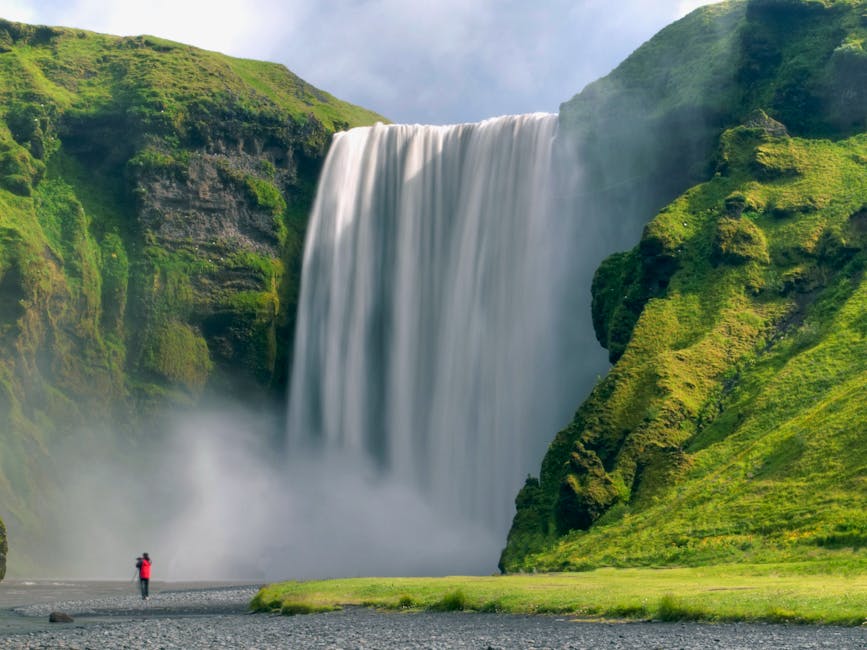
Iceland’s south coast packs glaciers, black sand beaches, and waterfalls into a narrow strip, making it efficient for photography road trips. The Jökulsárlón glacier lagoon and nearby Diamond Beach offer floating icebergs and reflective wet sand. Northern Lights tours run from September to April, providing a chance for astrophotography. Summer brings midnight sun, allowing 24-hour shooting but reducing star visibility. Be cautious on beaches—sneaker waves can approach quickly, and strong winds may damage equipment.
Seasonal Considerations
Winter offers ice caves and frozen waterfalls, but requires guided access due to safety concerns. Summer foliage contrasts with volcanic soil, ideal for colorful compositions. The Fjaðrárgljúfur canyon provides curves and texture, accessible via a short hike. Local tour operators often share real-time conditions on social media, which helps avoid closed roads or unsafe areas.
Wildlife Photography Angles
Puffin colonies on the Westman Islands are accessible from June to August. Use a long lens and shoot from a distance to avoid disturbing birds. Seals and reindeer are also common but require patience and a quiet approach. Remember that wildlife regulations protect certain species, so maintain a safe and respectful distance.
Patagonia’s Argentina Side and El Chaltén
El Chaltén, a small town in Argentine Patagonia, serves as a hub for hiking to Mount Fitz Roy and Cerro Torre. The town is walking distance to trailheads, and the valley light softens midday sun. The Laguna de los Tres hike provides a classic Fitz Roy reflection shot, but it’s a steep, multi-hour trek. Snow can linger into early summer, so check trail conditions before going. The area is less developed than Torres del Paine, offering more solitude but fewer facilities.
Practical Hiking for Photographers
Carry a backpack with layered clothing, tripod, and spare batteries—cold temperatures drain power faster. Sunrise shots at the lagoon are popular; arrive in the dark with a headlamp. The trail is rocky, so sturdy footwear is essential. Many photographers camp overnight to capture multiple lighting conditions with minimal gear hauling.
The Dolomites, Italy
The Dolomites’ jagged peaks and alpine meadows provide sharp contrasts and depth. Summer offers wildflowers and accessible hiking, while winter brings snow and starker lines. Locations like the Seceda ridgeline or Lago di Braies are iconic but can be crowded—visit on weekdays or early morning. A 16-35mm wide-angle lens captures the scale, while a polarizer reduces glare on water and enhances sky definition. Road access is good, but some viewpoints require cable cars or short walks.
Managing Crowds and Light
National park entry fees apply in some areas; buy tickets online to save time. The Dolomites’ high altitude means strong UV light, so use lens filters and sun protection. Cloud shadows can add drama to the peaks; patience often rewards you with fleeting sunbeams. Local guides offer workshops on composition and respect for the environment.
Australian Outback and Uluru-Kata Tjuta
Uluru and Kata Tjuta offer monumental sandstone formations and vast desert skies. The red landscape shifts color from ochre to deep burnt orange depending on the sun’s angle. Sunrise and sunset are peak times, and you need a park pass for entry. Drones are restricted in the national park, so ground-based photography is the way to go. Be mindful of cultural significance—avoid photographing sacred sites without permission.
Desert Photography Essentials
Heat and dust can affect gear; use protective covers and clean lenses frequently. Night photography reveals the Milky Way above the rock formations during dry seasons. Water is scarce, so carry more than you think you need. The nearby Kings Canyon offers rim walks with canyon views, adding variety to your trip.
Practical Takeaways for Planning Your Trip
Research local permits and trail regulations, as many parks require advance booking. Weather apps specific to the region provide more accurate forecasts than general ones. Consider travel insurance that covers gear and activity-related cancellations. Test your equipment in conditions similar to your destination, especially in extreme cold or wet environments. A local guide can be invaluable for accessing hidden spots and understanding seasonal changes.
FAQ
What is the best time of year for nature photography in these destinations?
The ideal time varies by location. Patagonia is best October to March, Iceland’s south coast from June to August for midnight sun or winter for northern lights, and the Dolomites from June to September for hiking. Research specific months based on your subject focus.
Do I need special equipment for these locations?
A sturdy tripod, wide-angle and telephoto lenses, and weatherproof gear are essential for most. In cold climates like Patagonia or Iceland, extra batteries and dry bags help. A polarizer and neutral density filters improve light control in bright conditions.
How can I avoid crowds at popular spots?
Visit early morning or late evening, and consider shoulder seasons. Weekdays are less busy than weekends. Use local forums to find less-traveled vantage points, and always follow park guidelines to minimize your impact.