
Exploring Hidden Cultural Treasures Across Different Countries
Travelers often seek more than major landmarks. They want authentic encounters that reveal local history and daily life. This guide highlights lesser-known sites and traditions that offer deep cultural value without the crowds. You will find practical advice for discovering these places responsibly.
Why Seek Out Lesser-Known Cultural Sites
Popular destinations can feel crowded and commercialized. Hidden cultural treasures provide a more intimate look at heritage. They often tell stories ignored by mainstream tourism.
Visiting these sites supports local communities directly. Your spending helps preserve traditions that might otherwise fade. It also creates more meaningful memories for you.
The Value of Authentic Experiences
Authenticity matters when you want to understand a culture. Small museums, family-run workshops, and village festivals offer real insight. They connect you with people who maintain these practices daily.
How to Identify Genuine Hidden Gems
Look for places with limited online presence but strong local reputation. Ask residents for recommendations beyond the usual tourist spots. Guard against overly polished venues that cater only to visitors.
Hidden Treasures in Europe
Europe holds countless overlooked sites beyond its famous capitals. These locations offer rich history without the long lines.
Romania’s Fortified Churches
Transylvania features over 150 fortified churches built between the 13th and 16th centuries. The village of Biertan has a UNESCO-listed church with a unique triple-door lock. Visiting here shows how communities defended against invasions.
Portugal’s Stone Villages
The Schist Villages in the Lousã mountains use local slate for homes and streets. These settlements date back centuries and maintain traditional crafts. Hiking between them reveals a landscape shaped by human hands.

Hidden Treasures in Asia
Asia’s diversity includes remote temples and living traditions that are often missed.
Laos’s Waterfall Temples
Kuang Si Falls near Luang Prabat has turquoise pools and a Buddhist monastery nearby. The site combines natural beauty with spiritual practice. Local monks often maintain the grounds quietly.
Mongolia’s Ger Camps and Folk Music
Staying in a ger camp near Khovsgol Lake offers insight into nomadic life. Guests can hear throat singing and learn about traditional instruments. This experience supports herder families directly.
Hidden Treasures in Africa
Africa’s cultural depth extends beyond safari routes to historical sites and artisan traditions.
Ethiopia’s Rock-Hewn Churches
Lalibela’s churches are carved from solid rock, but smaller sites like Yemrehana Krestos exist in caves. These churches show early Christian architecture adapted to local geology. Visitors should hire local guides to understand the symbolism.
Ghana’s Craft Villages
Besease in the Ashanti region produces traditional kente cloth. Families weave on wooden looms passed down generations. Buyers can watch the process and purchase directly from artisans.
Hidden Treasures in the Americas
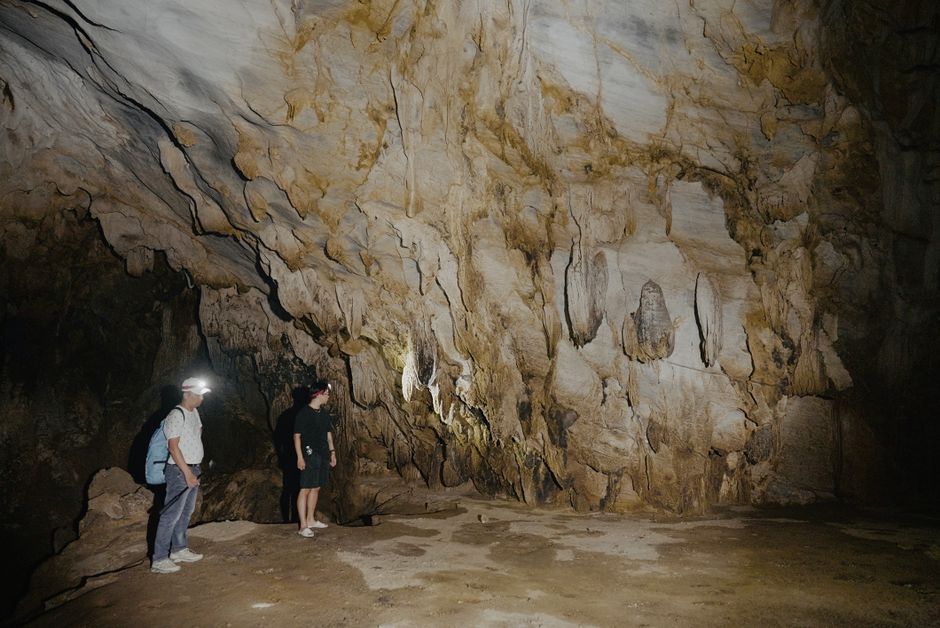
North and South America feature indigenous sites and colonial towns that are often overlooked.
Mexico’s Pueblos Mágicos
Town like Cuetzalan in Puebla state have Mayan influences and local festivals. The annual Coffee Fair celebrates regional agriculture. These communities maintain Zapotec languages and crafts.
Peru’s Andean Weaving Communities
Chinchero is known for textiles, but smaller villages near Cusco offer similar work. Weavers use natural dyes and ancient patterns. Travelers can join workshops to learn the techniques.
How to Discover Hidden Cultural Treasures
Finding these sites requires some effort but pays off in richer experiences.
Step 1: Research Beyond Top Lists
Use blogs by local writers and academic travel journals. Search for terms like “underrated heritage sites” or “local traditions in [country].” Avoid overly commercial travel forums.
Step 2: Connect with Local Experts
Reach out to community tourism groups or cultural associations. They often have insights into sites that are not widely advertised. Ask about seasonal events or living traditions.
Step 3: Plan for Responsible Access
Check if sites need permits or have visiting hours. Respect any rules about photography or participation. Remember that some locations may not have facilities like restrooms or cafes.
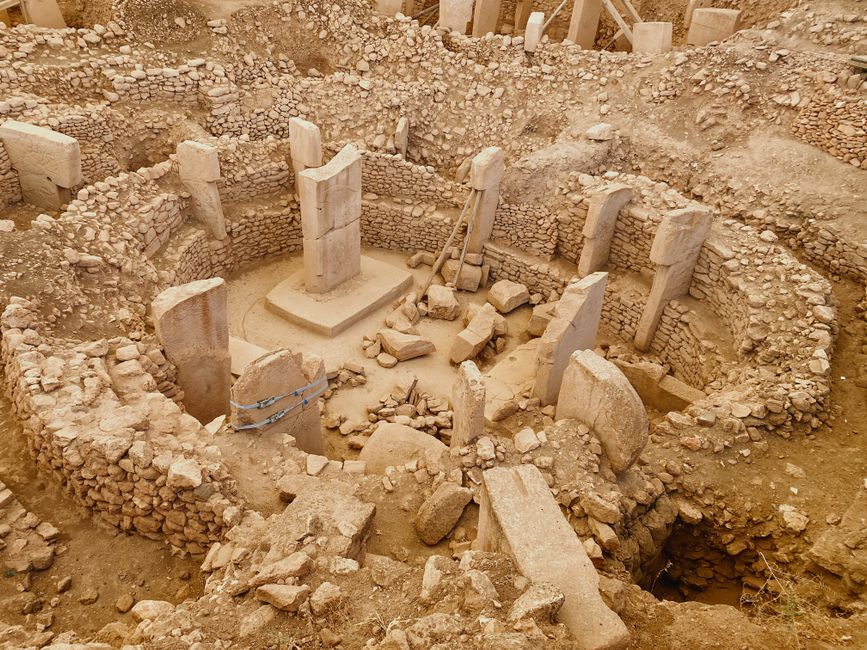
Respecting Local Heritage
Visiting hidden treasures comes with responsibilities. Your behavior affects how communities welcome future visitors.
Do Not Treat Sites as Photo Backdrops
Sacred places or family workshops deserve mindful attention. Ask before taking pictures, especially of people. Focus on learning rather than capturing perfect shots.
Support Economic Sustainability
Pay fair prices for crafts and tours. Avoid haggling aggressively at small businesses. Choose accommodations that are locally owned when possible.
Takeaways for Your Next Trip
Exploring hidden cultural treasures enriches your travels and supports heritage preservation. Start by identifying one overlooked site in a country you plan to visit. Use local contacts to learn about traditions and access points.
Remember that patience and openness lead to better discoveries. Not every find will be spectacular, but each adds depth to your understanding of world cultures.
FAQ
How do I verify a site is genuinely hidden and not a tourist trap?
Check for limited online promotion and strong local endorsement. Visit during off-hours to see if it caters mainly to residents. Trust your instincts—overly polished venues often prioritize visitors.
What should I do if I cannot speak the local language?
Learn basic greetings and numbers. Use translation apps for simple questions. Hire a local guide when possible; their knowledge adds context that technology cannot.
Are there risks to visiting remote cultural sites?
Research safety conditions beforehand. Some areas may have limited infrastructure or require permits. Always inform someone of your itinerary and avoid traveling alone in isolated locations.