
Incredible Places to Visit for the Ultimate Travel Experience
Planning a trip and looking for a truly memorable destination? This guide highlights incredible places to visit for the ultimate travel experience, focusing on locations that offer rich culture, stunning landscapes, and genuine adventure. You’ll find practical tips, comparisons, and key details to help you choose the right spot for your next journey.
What Makes a Travel Experience Ultimate
Travelers often seek a mix of natural beauty, cultural depth, and personal connection. An ultimate experience balances these elements without feeling rushed or manufactured. It’s about finding places where you can immerse yourself and create lasting memories.
Key Elements to Consider
Start by defining what matters most to you. Some prefer remote wilderness; others thrive in historic cities. Look for destinations that align with your interests, budget, and travel style. Avoid overcrowded spots during peak seasons if you value solitude.
Research local customs and seasonal weather. A place known for festivals might be perfect in spring but less appealing in monsoon. Checking travel forums and official tourism sites can reveal current conditions and hidden gems.
Category 1: Natural Wonders and Wilderness
For many, the ultimate trip involves untouched nature. These destinations offer breathtaking scenery and opportunities for hiking, wildlife spotting, and quiet reflection.
New Zealand’s South Island
New Zealand’s South Island delivers dramatic fjords, alpine peaks, and pristine lakes. Fiordland National Park, with Milford Sound, is a highlight. Hike the Routeburn Track for multi-day views or take a scenic flight for perspective. Compare this to the more tropical North Island, which focuses on geothermal activity and Maori culture.
Expect variable weather; pack layers even in summer. Local guides can arrange boat tours and kayaking trips that respect the environment. Avoiding cruise ship crowds by visiting early in the day makes a big difference.
Patagonia, Chile and Argentina
Patagonia stretches across two countries, offering glaciers, steppe, and rugged mountains. Torres del Paine in Chile is famed for its towers and winding trails. The Argentine side, near El Calafate, provides access to Perito Moreno Glacier. Both regions require advance planning for permits and accommodations.
Travelers should note that distances are vast; renting a car or joining guided tours helps cover ground. Wildlife sightings, like guanacos and condors, are common but not guaranteed. Bring sturdy boots and prepare for strong winds that can change plans quickly.
Category 2: Cultural and Historical Destinations
History buffs and culture seekers find ultimate experiences in places where the past feels alive. These locations combine architecture, cuisine, and traditions that tell a story.
Kyoto, Japan
Kyoto stands out for its temples, gardens, and preserved neighborhoods. Visiting during cherry blossom season or autumn foliage adds natural beauty to the historic sites. Compare it to Tokyo’s modern energy; Kyoto offers a slower, more reflective pace. Try a tea ceremony or a guided walk through Gion, the geisha district.
Respect local etiquette, such as removing shoes before entering temples. Use public transport to navigate efficiently, and consider a Japan Rail Pass if traveling between cities. Book popular ryokans well in advance, as they fill up quickly.
Rome, Italy
Rome layers ancient ruins, Renaissance art, and vibrant street life. The Colosseum, Roman Forum, and Vatican Museums are essential. For a twist, explore lesser-known sites like the Appian Way or Borghese Gallery. Compared to Florence’s art focus, Rome offers a broader mix of history and daily Italian culture.
Buy tickets online to skip long lines, especially in summer. Watch for pickpockets in crowded areas, and stay hydrated while walking. A local food tour can reveal authentic pasta spots away from tourist traps.
Category 3: Coastal and Island Escapes
For relaxation with a view, coastal destinations provide ultimate downtime. These spots merge beach scenes with local life and adventure options.
The Greek Islands, Greece
Santorini and Mykonos are famous, but consider quieter islands like Naxos or Milos for a more authentic feel. Cliffs, blue-domed churches, and sunset views define Santorini. Compare ferry times and crowd levels between islands to match your pace. Water activities, like sailing or snorkeling, are widespread.
Ferry schedules can change with weather, so have a backup plan. Renting a car or ATV offers flexibility to explore hidden beaches. Local tavernas serve fresh seafood at reasonable prices if you avoid harbor-front spots.
The Amalfi Coast, Italy
Italy’s Amalfi Coast blends dramatic cliffs, colorful villages, and coastal drives. Positano and Amalfi are popular, but Ravello provides quieter gardens and views. Compare this to Croatia’s Dalmatian Coast, which has similar scenery but fewer crowds and lower costs. Hiking the Path of the Gods trail rewards with panoramic vistas.
Drive only if confident on narrow roads; otherwise, use buses or boats. Summer crowds can overwhelm villages, so visit in shoulder seasons. Book seaside hotels early to secure rooms with views.
Category 4: Adventure and Off-the-Beaten-Path
For thrill-seekers, the ultimate experience means pushing boundaries. These destinations offer unique challenges and discoveries.
Namibia’s Skeleton Coast
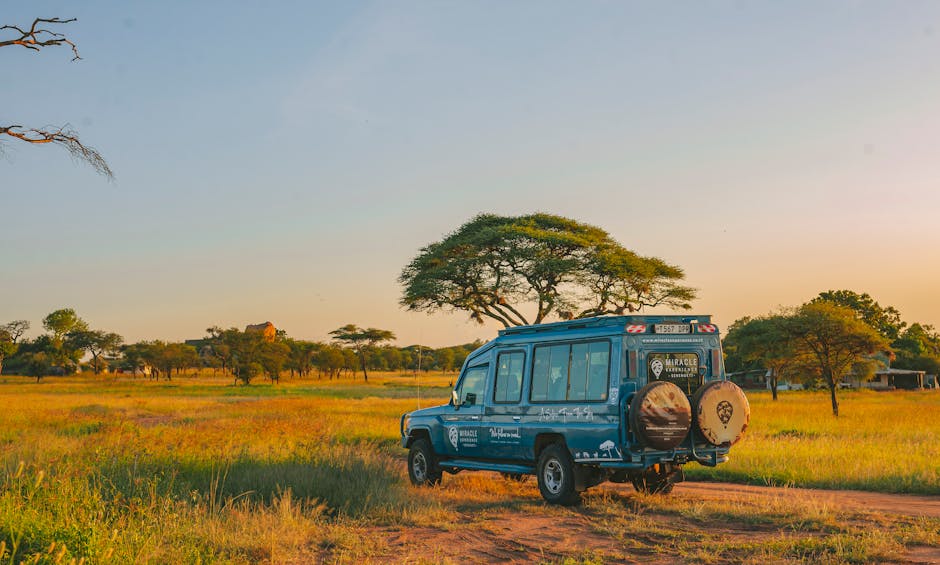
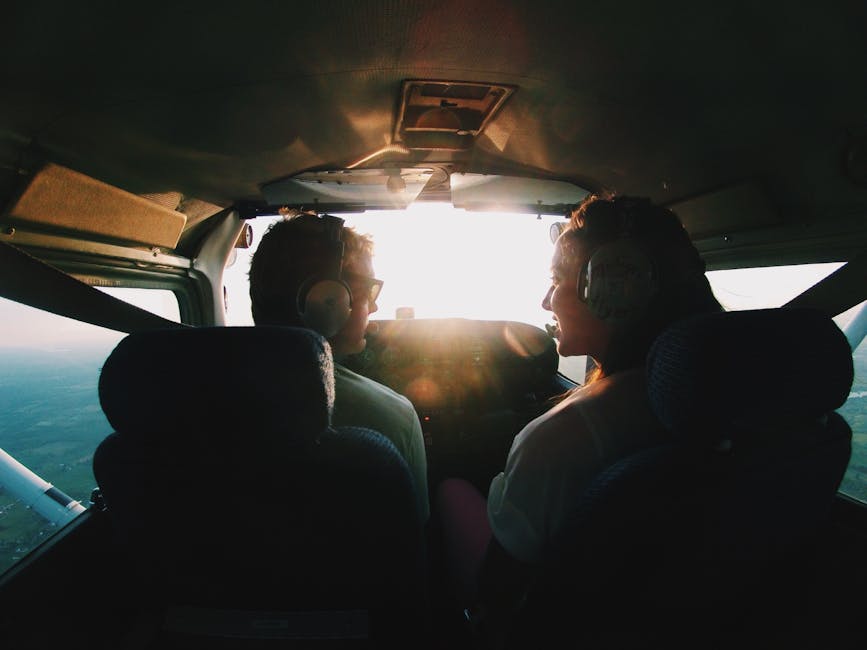
Namibia’s rugged northwestern coast features shipwrecks, sand dunes, and wildlife like elephants and seals. It’s remote, requiring 4×4 vehicles and guided trips. Compared to Kenya’s safaris, Namibia focuses on landscapes and solitude over big-game density. Fly-in tours are an option for covering vast distances.
Travel with a reputable operator to ensure safety and minimal environmental impact. Water is scarce, so carry supplies and heed local guides. Best visited during the dry season from May to October.
Chiang Mai, Thailand
Northern Thailand’s Chiang Mai offers temples, hill tribes, and jungle treks. Ethical elephant sanctuaries and cooking classes add cultural depth. Compared to Bangkok’s chaos, Chiang Mai provides a mellow base for exploration. Multi-day treks into the mountains reveal waterfalls and minority villages.
Choose responsible tour companies that support local communities. Respect sacred sites by dressing modestly. The cooler season from November to February is ideal for outdoor activities.
Planning Your Ultimate Trip
Start with a budget and timeline. Factor in flights, lodging, meals, and activities. Use tools like Google Flights or Skyscanner for deals, but book early for high-demand destinations. Always check visa requirements and travel advisories.
Build a flexible itinerary. Leave room for spontaneity, but have a rough daily plan to avoid decision fatigue. Pack light with versatile clothing, and consider travel insurance for unexpected changes. Reading recent traveler reviews helps gauge current conditions.
FAQ
How do I choose the right destination for my travel style?
Assess your priorities—adventure, culture, relaxation—and match them to destinations known for those strengths. Read recent trip reports and consider factors like season, budget, and travel time.
What should I pack for diverse climates?
Layer clothing, bring a rain jacket, and include sturdy footwear. For urban and wilderness trips, pack adapters, a first-aid kit, and reusable water bottles. Always check the specific needs of your chosen location.
Are guided tours necessary for these places?
Not always, but they can enhance safety and access in remote areas. Self-guided travel works well in cities with good infrastructure. Weigh the cost against your comfort with independent planning.