
Discover Stunning Landscapes and Remarkable Travel Adventures
This guide helps you find and plan trips to breathtaking natural scenes and memorable journeys. We cover practical steps for choosing destinations, comparing travel styles, and avoiding common pitfalls. The aim is to give you clear, useful advice to make your next trip both inspiring and achievable.
Why Natural Beauty Matters for Travelers
People seek out landscapes for more than just photos. They want a sense of scale, quiet, and connection that cities often can’t provide. A trip to a dramatic coastline or mountain range can reset your perspective and leave a lasting impression.
Research from travel behavior groups shows that scenery is a top driver for trip satisfaction. Viewers often remember how a place felt first, then the details. That emotional response is what makes these adventures remarkable.
Planning Your Landscape-Focused Trip
Start with a realistic budget and time frame. A weekend drive to a state park differs greatly from a two-week international trek. Align your resources with your goals early to avoid stress later.
Next, match the season to your desired scenery. Some landscapes change drastically between summer and winter. For example, desert wildflowers bloom only for a short spring window, while fall colors in New England peak predictably for a couple of weeks.
Choosing a Destination
Begin with broad categories: mountains, coastlines, forests, or deserts. Then narrow down by region. A traveler wanting rugged cliffs might compare the Pacific Northwest versus the Irish coast. Each offers a distinct mood and access level.
Consider your physical comfort. High-altitude areas require acclimation, and remote trails may need permits. Check for recent trail closures or weather advisories before you book anything.
Comparing Travel Styles
Guided tours handle logistics but limit spontaneity. Self-driven road trips offer flexibility but demand more planning. A hybrid approach—like a guided day hike with a self-paced evening—can work well.
Group travel often reduces per-person costs for guided experiences. Solo trips give you freedom but may increase safety considerations. Weigh these trade-offs based on your priorities.
Iconic Landscapes Worth Considering
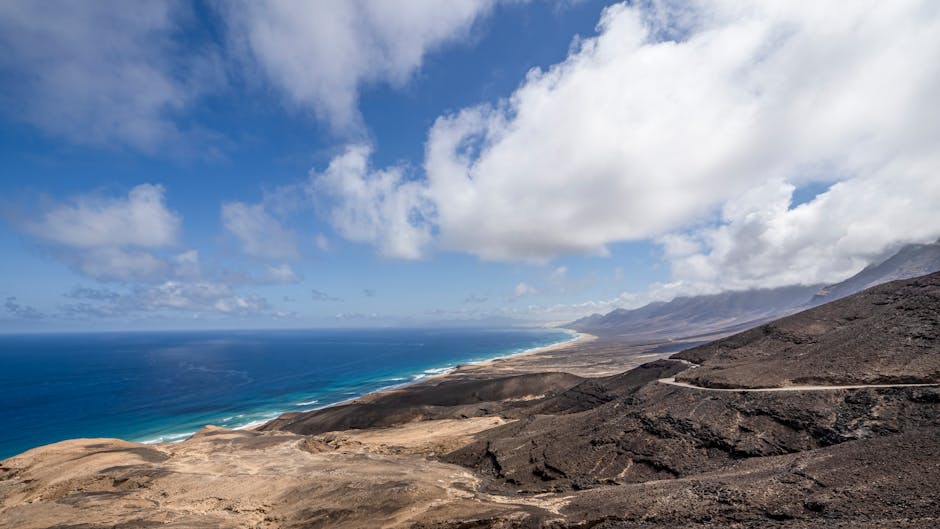
Certain places have earned their reputation through consistent natural beauty. They are good starting points for first-time landscape travelers. Below are examples with key details and comparisons.
Mountain Majesty
Swiss Alps villages offer dramatic peaks with reliable public transit. In contrast, the Canadian Rockies provide larger-scale wilderness with fewer crowds outside peak summer. Both deliver stunning views but differ in access and cost.
For a serious hike, research trail difficulty and gear needs. A day in the Dolomites might require sturdy boots and a permit, while a Swiss cable car can bring you to viewpoints with minimal effort.
Coastal Cliffs and Shores
Portugal’s Algarve coastline features sea caves and golden beaches. Ireland’s Cliffs of Moher offer raw, windswept drama. The Algarve is better for swimming; the Cliffs are ideal for dramatic walks and photography.
Watch for slippery paths near cliffs. Always stay behind safety barriers and avoid risky angles for photos. Conditions can change quickly with tides and weather.
Desert and Canyon Wonders
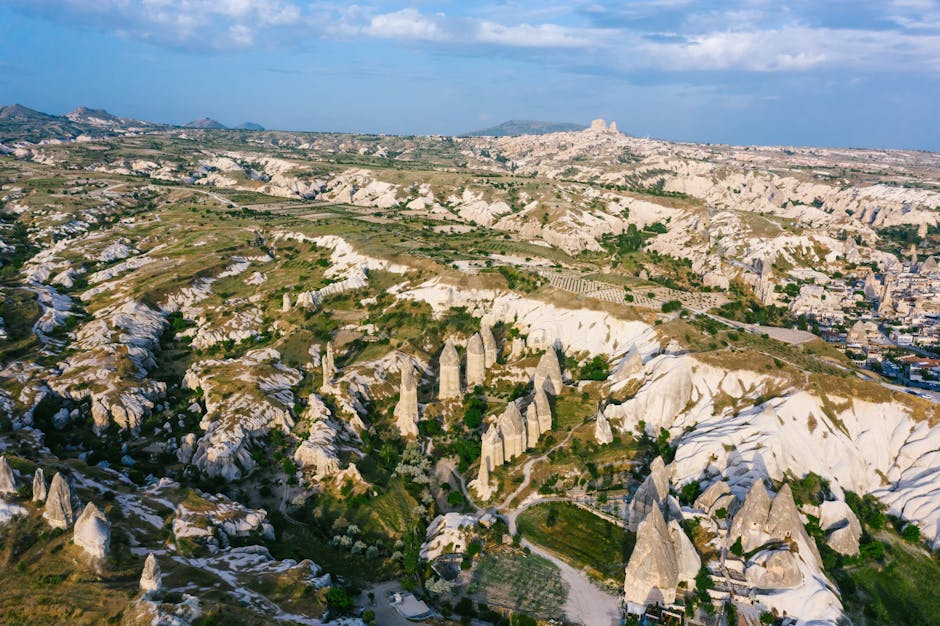
Sedona in Arizona is known for red rock formations and spiritual retreats. The larger Grand Canyon provides incomparable scale. Sedona fits shorter trips; the Canyon needs at least a full day to appreciate.
Desert travel demands hydration and sun protection. Carry more water than you think you need and avoid midday summer hikes to prevent heat illness.
Lakes and Forests
Canada’s Banff area has turquoise lakes set against towering pines. New Zealand’s South Island combines fjords, rainforests, and alpine lakes. Banff is more accessible for North American travelers; New Zealand requires longer flights but offers unique flora and isolation.
Lakeside weather can shift fast. Pack layers, even in summer. A sudden afternoon storm is common in mountain regions.
Building an Itinerary That Balances Scenery and Comfort
A well-paced trip includes both iconic sights and quieter moments. Over-scheduling can turn a restorative trip into a chore. Plan for a mix of guided highlights and free time.
Sample a 7-day itinerary: two days in a mountain village, two days driving along a coast, one day for a historic attraction, and two days for a road trip back with stops. Adjust based on your pace and energy.
Practical Steps for Day Planning
Check sunrise and sunset times. Many landscapes look best at golden hour, but crowds are thinner early morning. Early starts also help avoid parking hassles at popular sites.
Map out rest stops, fuel stations, and food options before you begin. In remote areas, services can be sparse. Keep a printed map or offline digital version as backup.
Packing and Safety Tips
Pack for the specific environment you choose. Layered clothing works for most climates. A waterproof shell, warm mid-layer, and sun hat cover most scenarios.
Carry a basic first-aid kit, navigation tools, and emergency contacts. Tell someone your daily plan when heading into remote areas. This simple step can prevent a small problem from becoming serious.
Warnings and Common Mistakes
Do not rely solely on social media geo-tags. Popular photo spots can be dangerous or illegal to access. Always use official trails and respect local guidelines.
Avoid overconfidence in unfamiliar terrain. A short hike can turn hazardous if weather turns or you lose the path. Turning back is a smart choice, not a failure.
Financial Planning and Cost Considerations
Travel costs vary widely by season and region. Shoulder seasons often mean lower prices and fewer crowds. Booking flights and lodging early can secure better rates.
Compare inclusive tour packages versus à la carte planning. Sometimes bundling saves money; other times, piecing it yourself is cheaper. Calculate both before deciding.
How to Capture and Share Your Experience
Photography enhances memory but shouldn’t dominate the trip. Spend time just looking and feeling without a screen. Use a simple camera or phone, but learn basic principles like light direction and composition.
When sharing online, credit locations and support local communities. Ethical sharing helps preserve the places we enjoy.
Frequently Asked Questions
What is the best time of year to see dramatic landscapes?
The ideal time depends on the region and the scenery you prefer. For mountains, late summer offers accessible trails. Coastlines are often best in spring or fall for mild weather. Winter landscapes provide unique beauty but require cold-weather gear.
How do I choose between a guided tour and solo travel?
Guided tours reduce planning stress and offer expert insights. Solo trips give you flexibility and privacy. Consider your comfort with logistics, safety concerns, and whether you prefer social interaction.
What should I do if I encounter bad weather?
Check forecasts regularly and stay flexible. Have indoor backup plans or alternative routes. Never underestimate rain, wind, or snow in remote areas—safety comes first.