
Stunning Places Around the World That Feel Like Another Planet
Some landscapes look so unusual they seem lifted from a science fiction film. From salt flats that mirror the sky to desert dunes that glow red at sunset, these locations challenge our sense of place. This list highlights destinations where the terrain, colors, and atmosphere feel distinctly alien, yet exist right here on Earth. Each spot offers a unique reason to visit, whether you seek stark beauty, rare geology, or pure awe.
Travelers often describe these sites as otherworldly for good reason. They are not just pretty; they are geologically rare, culturally significant, and often environmentally fragile. Visiting requires planning, respect, and sometimes a bit of endurance. Below, explore the most stunning places around the world that feel like another planet, with practical tips for experiencing them responsibly.
Why These Places Feel So Different
Unusual light, extreme conditions, and unique landforms create the sensation of being somewhere else entirely. For example, the stark white of a salt desert under high sun can feel like a lunar surface. Conversely, deep green canyons shrouded in mist might resemble an alien jungle. These effects are not just visual; they involve sound, temperature, and even smell.
Understanding the science behind these places adds depth to the visit. A few key factors shape the experience. First, the mineral composition of the soil and water can create vivid colors not seen elsewhere. Second, atmospheric conditions can amplify light, creating unnatural glows. Finally, isolation and silence often make familiar senses seem heightened.
1. Salar de Uyuni, Bolivia
The world’s largest salt flat transforms after rain into a flawless mirror, doubling the sky and clouds above. During dry season, the surface hardens into a cracked white plain that seems endless. Located over 3,600 meters high, the thin air adds to the surreal feeling. Visitors often take perspective photos, playing with scale and illusion.
Reaching the salt flat requires a 4×4 tour from Uyuni town. Many tours include overnight stays in salt hotels. Remember that high altitude can cause sickness; acclimatize in La Paz or Sucre first. Bring layers—temperatures swing sharply between day and night.
Best Time to Visit
For the mirror effect, travel between December and March when rain is frequent. For dry salt patterns, go from April to November. Each season offers a different kind of beauty. Crowds are smaller during the dry season, but accommodation can fill up quickly.
What to Pack
Sunblock, sunglasses, and a wide-brim hat are essential due to intense UV reflection. Waterproof boots are useful if you venture onto the wet flat. A polarizing filter on your camera helps capture the mirror quality without glare. Always carry water and snacks, as services are scarce.
2. Danakil Depression, Ethiopia
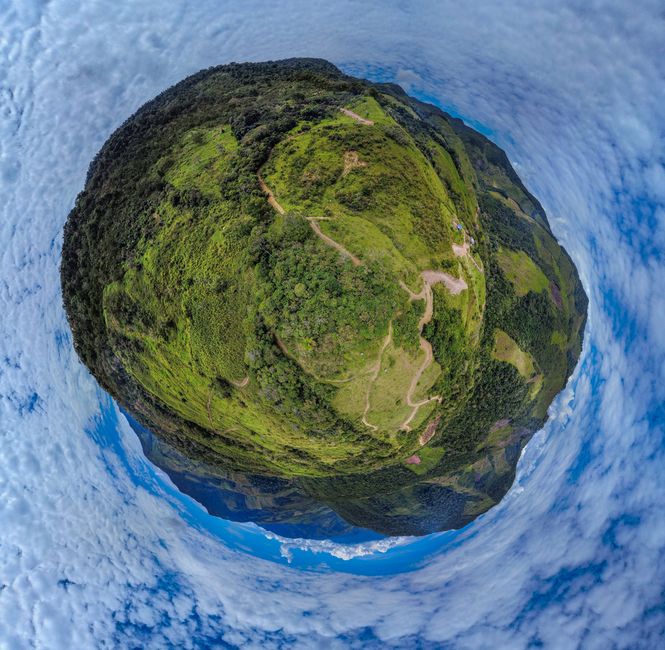
One of the hottest and lowest places on Earth, the Danakil Depression looks and feels like another world. Vibrant yellow sulfur fields, acid pools, and salt mountains create a palette of neon hues. The area is geologically active, with shifting ground and toxic fumes. It is both beautiful and dangerous.
Visits require a guided tour for safety. Trekkers must carry respirators and follow strict paths. The landscape changes constantly, so photos from one year may differ the next. This is not a place for casual hiking; preparation is critical.
Geological Wonders
The depression forms where three tectonic plates are pulling apart. This creates a rift valley with unique mineral formations. Salt miners still use traditional methods, adding a human element to the stark scenery. The colors come from sulfur deposits, iron oxides, and bacterial mats.
3. Zhangye Danxia Landform, China
Rainbow mountains in Gansu province display striped layers of red, yellow, and blue rock. These colors result from mineral deposits over 24 million years. The landscape looks painted, but it is entirely natural. Erosion over centuries has sculpted the mountains into rolling, striped hills.
The best viewing is during sunrise or sunset when light intensifies the colors. Boardwalks protect the fragile surface but keep visitors safe. Avoid visiting after heavy rain, as paths can become slippery. Local guides can explain the geological history for a richer experience.
Photography Tips
Arrive early to avoid crowds and harsh light. A mid-range zoom lens captures both sweeping vistas and details. Shoot in RAW if possible; the colors can overwhelm a camera’s automatic settings. Stay on marked trails to prevent erosion.
4. Socotra Island, Yemen
Dubbed the Galápagos of the Indian Ocean, Socotra feels like a lost world. Its iconic dragon’s blood trees, with umbrella-shaped canopies, appear nowhere else. Over 30% of its plant life is endemic. The island’s isolation has preserved species that vanished elsewhere.
Travel to Socotra is limited due to political constraints. Flights usually depart from Abu Dhabi. While there, respect local customs and fragile ecosystems. No development should disturb the natural habitats. The island’s hospitality is genuine, but infrastructure is basic.
Unique Flora
Dragon’s blood trees produce a red resin used for medicine and dye. Desert roses, with swollen trunks, bloom in rocky soils. These adaptations show how life finds a way in extreme climates. Botanists and curious travelers alike find the island endlessly fascinating.
5. White Sands National Park, USA
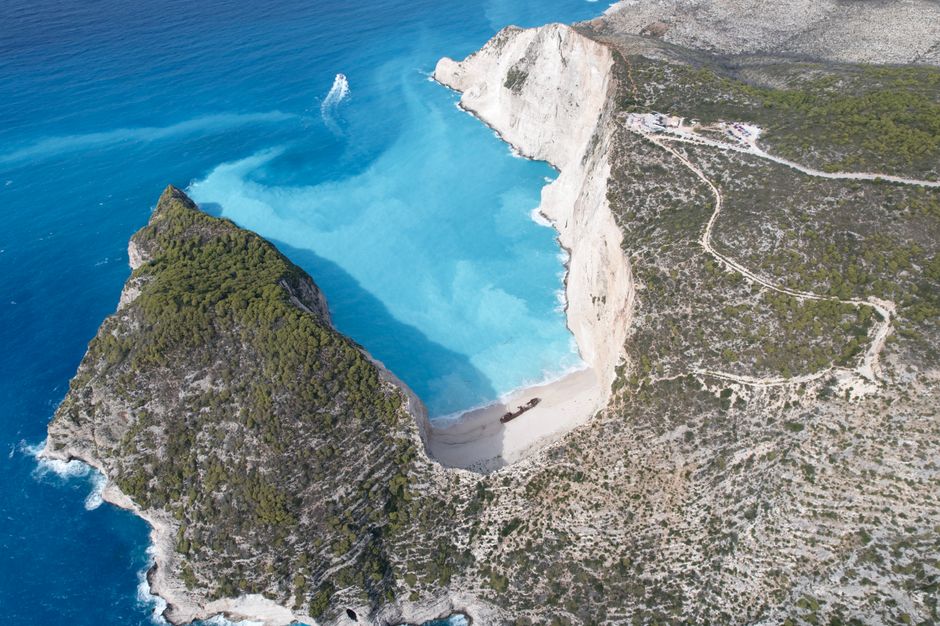
Gypsum dunes in New Mexico create a white desert that seems pulled from a dream. The sand is cool to the touch, even under scorching sun. Light plays tricks here, erasing horizons and creating soft shadows. The park’s silence adds to the otherworldly feel.
Access is easy from Alamogordo, about 90 minutes from El Paso. Hike the Alkali Flat Trail for a deeper immersion. Avoid visiting during peak summer afternoons; temperatures can exceed 100°F. Bring plenty of water and watch for sudden weather changes.
Seasonal Considerations
Spring and fall offer the most comfortable temperatures. Summer monsoon storms can make driving difficult. Winter nights are cold but clear, ideal for stargazing. The park closes occasionally for military testing, so check ahead.
6. Lake Hillier, Australia
Located on Middle Island off Western Australia, this lake is a shocking shade of pink. The color remains constant year-round, unlike other pink lakes that fade. Its origin is debated—likely due to algae and bacteria. The contrast with the blue ocean and green forest is striking.
Access is restricted to protect the environment. Scenic flights offer the best views. Swimming is not allowed. Tours from nearby Esperance are the only practical way to see it. The remoteness adds to the sense of discovery.
Scientific Interest
Researchers study the lake’s unique microbiology. The pink hue may come from Dunaliella salina, a microorganism that produces carotenoids. This is a rare ecosystem, so minimal human impact is essential. Respect the no-swimming rule; it preserves the lake’s balance.
7. Wadi Rum, Jordan
Also known as the Valley of the Moon, this desert landscape has inspired many Mars-set films. Red sand and towering sandstone mountains create a cinematic vista. Bedouin camps offer a cultural connection to the desert’s history. The silence here is profound, broken only by wind.
Stay overnight in a Bedouin tent for a full experience. Jeep tours cover extensive ground, while hiking reveals hidden canyons. The high desert sun demands shade and hydration. A local guide can share stories and safe routes.
Cultural Context
Wadi Rum has been inhabited for millennia, with ancient rock art still visible. Bedouin hospitality includes mint tea and traditional meals. This human layer enriches the landscape. Visiting supports the local economy and preserves heritage.
8. Mount Roraima, Venezuela/Brazil/Guyana
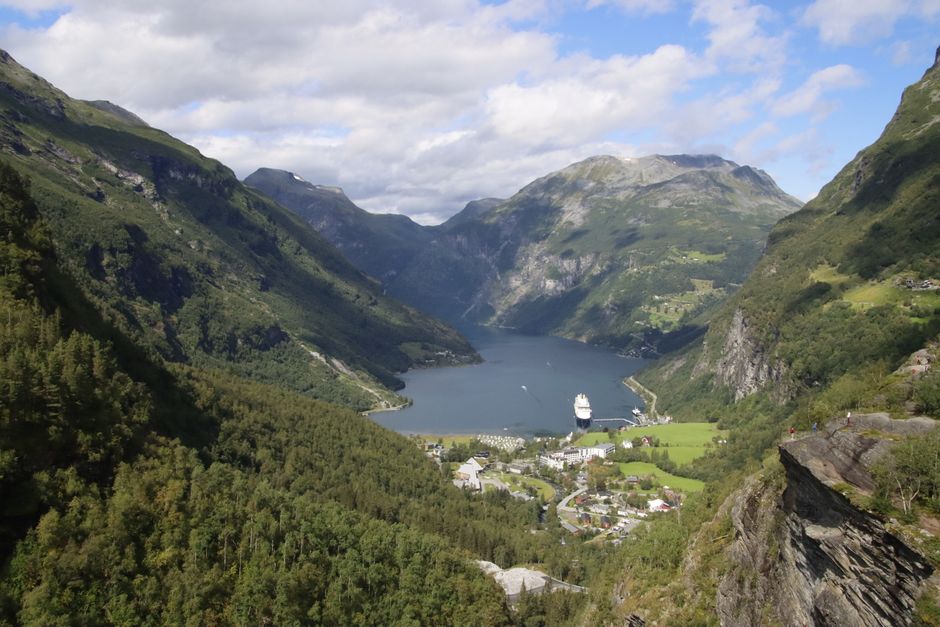
This tabletop mountain, or tepui, inspired Arthur Conan Doyle’s “The Lost World.” Its sheer cliffs and cloud forests seem detached from the surrounding plains. The summit is a strange world of rare plants and unique fauna. Reaching the top involves a multi-day trek.
Guides are mandatory for the climb. The trail is challenging, with steep sections and unpredictable weather. Once on top, the alien flora includes carnivorous plants and endemic species. Camping is allowed, but leave no trace.
Trek Preparation
Physical fitness is essential. Pack layers for cold nights and rain gear. Acclimatize at base camps if prone to altitude sickness. The trek is as much a mental challenge as a physical one. Patience and respect for the environment are key.
9. Antelope Canyon, USA
Water-sculpted sandstone in Arizona forms narrow, wave-like passageways. Sunlight filters through cracks, creating beams of light and vibrant colors. This is a photographer’s dream, but timing matters. Midday light produces the most dramatic effects.
Access requires a Navajo guide due to tribal land regulations. Tours book up months in advance. The canyon walls are slippery, so wear sturdy shoes. Flash floods are a real danger; never enter during rain or storm warnings.
Photography Ethics
Stay on the path and avoid touching the walls. Tripods may be restricted on crowded tours. Respect the sacred nature of the site for the Navajo people. The goal is to capture beauty without causing harm.
FAQ
What makes a place feel like another planet?
Unusual geology, extreme climates, and rare biodiversity combine to create settings that seem alien. Light conditions, colors, and isolation often heighten this sensation.
How can I visit these places responsibly?
Choose reputable tours, follow local guidelines, stay on marked paths, and minimize waste. Support communities that protect these sites. Always prioritize conservation over convenience.
Are these destinations suitable for families?
Some, like White Sands or Zhangye Danxia, are family-friendly with easy access. Others, like Danakil Depression or Mount Roraima, require serious planning and may not suit young children. Assess fitness levels and health needs beforehand.