
Travel Destinations Perfect for Photography and Nature Lovers
For those who chase light and landscape, the right trip can mean the difference between a standard snapshot and a portfolio highlight. This guide matches top-tier scenery with practical shooting advice, so you spend less time guessing and more time creating. We focus on places where wildlife, geology, and seasonality reward careful planning.
At its core, a trip for photography and nature lovers is about access, timing, and conditions. The locations below offer reliable subjects, stable logistics, and enough variety to keep you engaged for a week or more.
What Makes a Destination Ideal for Photographers
First, look for dependable light. Overcast weather can be a gift for wildlife, while golden-hour windows dominate deserts and coastlines. Second, confirm subject access: parks with wide overlooks or hide facilities make shooting easier.
Third, consider seasonality. Fall foliage, spring wildflowers, and annual migrations each create a narrow, high-value shooting window. Finally, stack subjects. A location with mountains, water, and wildlife lowers the risk of a slow day when conditions shift.
Patagonia, Chile and Argentina
Patagonia rewards patience with granite towers, blue ice, and fast-altitude weather. Torres del Paine and Los Glaciares provide classic compositions and dramatic scale.
Best Photo Subjects
Glacier faces at Lago Grey, reflective lakes beneath Fitz Roy, and pumas in the grasslands near Torres del Paine deliver variety. Use the boat tour at Estancia Cristina for iceberg close-ups without heavy hiking.
Season and Access
November through March brings longer days and milder temperatures. Book refugios and campgrounds months ahead; wind can ground helicopters and limit boat crossings.
Gear Pairings
Bring a mid-range zoom (24–105mm) for landscapes and a longer telephoto (100–400mm) for wildlife. Trekking poles help steady shots along uneven moraine trails.
Isle of Skye, Scotland
Skye mixes rugged coastline, moody hills, and fairy pools that look best in soft, directional light. The island’s microclimates can change in minutes, rewarding flexible plans.
Signature Spots
The Quiraing, Neist Point, and the Old Man of Storr offer compositions that work even in drizzle. For waterfalls, try the trails behind Sligachan or the classic Fairy Pools walk.
Timing and Conditions
Summer brings longer twilight, but shoulder seasons deliver fewer crowds and more dramatic clouds. Expect wet footing; waterproof boots and lens cloths are mandatory.
Composition Basics
Use foreground rocks to anchor midground ridges and distant skies. A circular polarizer helps cut glare on wet basalt and moorland grass.
The Dolomites, Italy
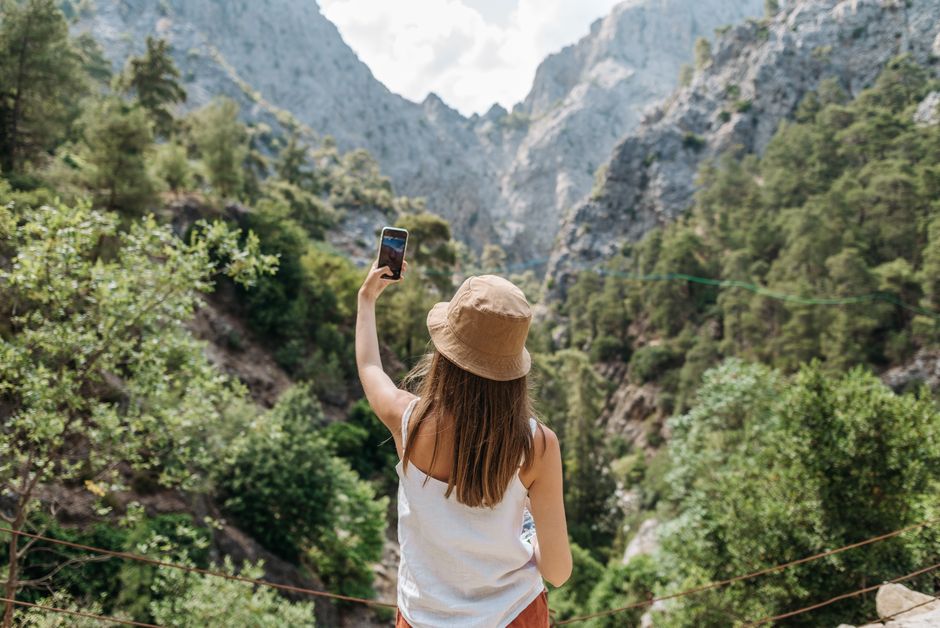
The Dolomites excel at alpenglow and sculpted limestone towers. Morning light paints pale cliffs pink, while afternoon offers clean shadows for texture studies.
Scouting Locations
Lago di Braies, Seceda ridgeline, and Val di Funes provide accessible icons. For sunrise, arrive 45 minutes early to claim parking and set up a tripod.
Seasonal Windows
June through September offers open mountain huts and clear passes. Early October can deliver quiet trails and first snow on peaks.
Practical Tips
Sturdy gloves help when pre-dawn air bites at altitude. A graduated ND filter balances bright sky with shaded valleys.
Western Cape, South Africa
The Western Cape blends fynbos, coastline, and accessible wildlife. Kirstenbosch gardens, Cape Point, and the Cederberg sandstone formations provide diverse backdrops.
Wildlife and Flowers
Spring brings proteas along Table Mountain slopes. Nearby reserves offer birdlife and small mammals with minimal travel time.
Coastal Photography
Cape Point overlooks meet the Atlantic and Indian Oceans. Watch for spray near cliffs and use fast shutter speeds with a polarizer.
Access and Safety
Parks have clear entry rules; stay on marked paths to protect fragile fynbos. Coastal winds can topple tripods; use a weighted base or hang your bag from the center column.
Western Norway (Sognefjord and Lofoten)
Western Norway pairs deep fjords with jagged islands. Summer light lasts late, and waterfalls are a constant backdrop.
Fjord Subjects
Hike to viewpoints above Aurlandsfjord or Stegastein for layered compositions. Reflections are best just after high wind dies down.
Island Scenes
Lofoten delivers fishing villages, sea stacks, and aurora potential across winter months. Northern lights require dark skies and solar activity.
Travel Notes
Ferries and tunnels connect many areas, but weather can disrupt plans. Pack versatile layers; cold fronts arrive quickly.
Kerala Backwaters, India
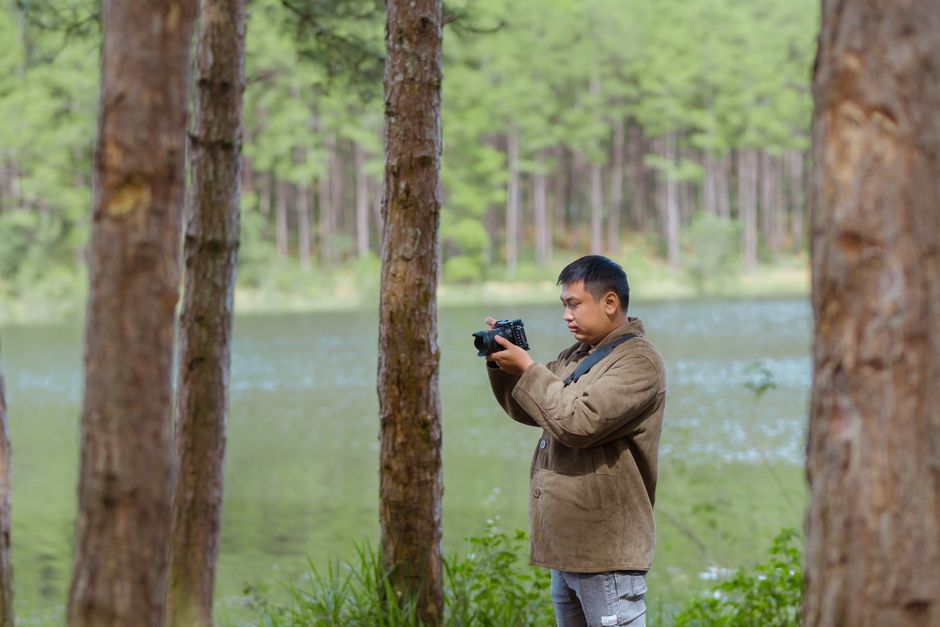
Kerala’s backwaters offer calm waterways, palms, and daily life in close proximity. Boat-based photography gives access that walking routes cannot match.
Subjects and Rhythm
Morning mist and wooden boats create soft, painterly scenes. Birdlife is active along narrow canals where traffic slows.
Planning and Equipment
Choose a smaller houseboat for quieter travel and better angles. Keep gear protected from humidity; a dry bag and silica packets help.
Yellowstone National Park, USA
Yellowstone combines geothermal color, wide meadows, and resident wildlife. It suits photographers who want varied subjects within a manageable road network.
Wildlife Photography
Early mornings around Hayden and Lamar Valleys offer bison, elk, and occasional wolves. Use a long lens and keep safe distances as required by rangers.
Geothermal Highlights
Grand Prismatic Spring requires height for full color; the nearby boardwalk overlook is best in mid-morning light. Morning Glory and Mammoth Hot Springs shift with season and airflow.
Seasonal Notes
Spring and fall reduce crowds and highlight animal activity. Some roads close for snow, so review weather and park advisories.
Svalbard, Norway
Svalbard is extreme and remote, with polar bears, glaciers, and raw Arctic scenery. Expeditions allow access to places that are impossible to reach independently.
Subjects and Conditions
Ice formations, bird cliffs, and glaciers dominate. Weather dictates schedules; flexibility is a requirement, not an option.
Logistics and Safety
Travel with an experienced operator and carry required safety gear. Temperatures are low, and batteries drain faster—keep spares warm.
Iceland
Iceland offers waterfalls, black sand beaches, and shifting weather that creates dramatic skies. The ring road provides a natural loop for a one- to two-week trip.
Iconic Locations
Seljalandsfoss, Skógafoss, and Reynisfjara deliver classic views. For quiet shots, add trails that lead above major falls.
Seasonal Strategy
Summer brings midnight sun and limited aurora, while winter offers dancing lights and icy textures. Check road conditions daily and avoid risky river crossings.
Doubling Down on Photography and Nature Lovers
Every destination above includes varied light, tangible subjects, and reachable logistics. That combination serves both casual shooters and serious enthusiasts looking for repeatable success.
When you plan for Travel Destinations Perfect for Photography and Nature Lovers, stack subjects, confirm access, and align dates with seasonality. Small choices—arrival hour, ferry versus car, sunrise versus sunset—compound into better frames.
Practical Field Tips
Short hikes often beat distant locations for time-to-shooting. Arrive early and stay late to capture transitions when light is most expressive.
Prepare for an extra day per location as weather insurance. If conditions close one site, you can pivot to a nearby backup without losing momentum.
What to Pack, at a Glance
Begin with a weather-sealed body and two lenses that cover wide to telephoto. Add a sturdy tripod, spare batteries, and a rain cover.
Include a headlamp for pre-dawn starts and a small power bank for charging on the road. Basic first aid and a compact cleanup kit matter more than most expect.
Frequently Asked Questions
What is the best season for these trips?
It depends on the region and subject. Spring and fall often provide balanced light and fewer crowds, while summer offers access at higher latitudes and winter brings aurora or snow scenes.
How do I pick right lenses for nature photography?
Start with a versatile 24–105mm zoom and add a 100–400mm for wildlife. Test in your local area at similar focal lengths to understand weight and composition.
How can I avoid crowds at popular spots?
Arrive before sunrise or stay past sunset. Visit shoulder seasons, choose alternative trails, and plan mid-week shoots when possible.
Takeaway
Choose locations that deliver layered scenery, reliable wildlife, and accessible seasons. Plan around your shooting priorities and keep backup options in reach.
With careful timing and a flexible schedule, each destination can produce a consistent set of strong images while keeping travel stress low.