
Travel Destinations Offering Unforgettable Cultural Experiences
Travelers seeking depth beyond scenery often look for places where culture is alive, not just displayed. The best destinations weave history, daily life, and local voices into every moment. You can join a family meal, learn a craft from an artisan, or witness a festival rooted in centuries of tradition. This guide highlights spots where the cultural fabric is rich, accessible, and genuinely engaging.
What Makes a Cultural Experience Unforgettable?
Unforgettable trips blend participation with perspective. You do not just observe; you take part in a way that respects the community and leaves you with a clearer sense of place. Timing matters too. Visiting during a local event or harvest season often reveals layers you might miss in quieter months.
Authenticity comes from relationships. Guides who work for their community, small family-run guesthouses, and workshops that pay fair wages create better access for visitors. Avoid staged shows aimed only at tourists and seek out venues where locals themselves gather.
How to Prepare Ethically
Research local customs before you arrive. Dress codes, photography etiquette, and tipping practices vary widely. Learning a few words of the local language—greetings, thanks, and simple requests—builds immediate goodwill. Book experiences through organizations that share profits with residents.
Setting Realistic Expectations
No destination offers a perfect window into another culture. You will see contrasts, challenges, and complexities. Travel with curiosity and humility. Allow time for slow conversations and unexpected detours; these often become the most valued memories.
Essential Cultural Travel Destinations
Kyoto, Japan: Rituals and Routines
Kyoto carries a quiet intensity. You can join a tea ceremony that focuses on presence and mindfulness, then walk to a neighborhood shrine where residents pause on their commute. Morning markets show seasonal ingredients used in traditional kaiseki meals.
Consider a guided walk through the Gion district that emphasizes daily life, not just geisha sightings. Visit an obanzai restaurant where Kyoto home-style dishes are shared. Small workshops in dyeing or incense making show how craft traditions remain part of the city’s rhythm.
Fez, Morocco: Medinas and Meaning
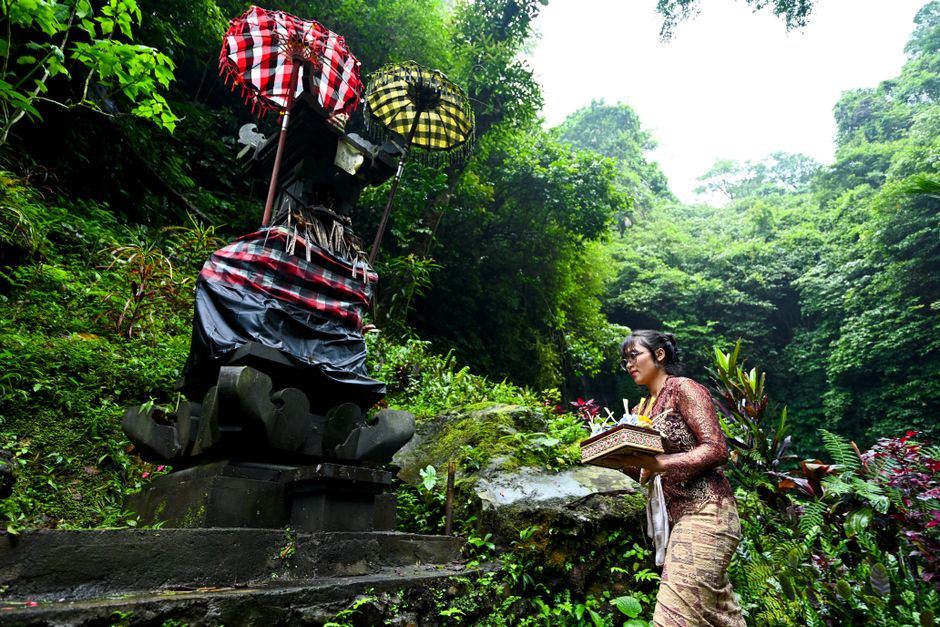
The medina of Fez is a labyrinth of workshops, schools, and mosques. A respectful visit to the Chouara tannery pairs a brief history with the reality of the craft’s physical demands. Local guides can explain the spiritual significance of tilework, calligraphy, and music.
Stay in a riad that sources food from nearby farms. Take a cooking class that emphasizes regional spices and communal eating. Neighborhood bakeries offer a simple way to share space with residents, especially during late-afternoon bread runs.
Tbilisi, Georgia: Hospitality and Heritage
Georgian hospitality is shaped by supra traditions, where toasts and storytelling anchor the table. A local family meal can teach you about regional wine-making in qvevri, clay vessels buried underground. Tbilisi’s old town blends churches, bathhouses, and vineyards with a lived-in feel.
Visit a village in Kakheti to see harvest practices and meet winemakers who maintain ancient methods. In the capital, look for ensembles that perform polyphonic singing, recognized by UNESCO. The culture here is oral, communal, and deeply tied to the land.
Cusco and the Sacred Valley, Peru: Living Andean Traditions
Andean culture is not a relic in this region; it is part of the farming cycle and the community calendar. Textiles from cooperative workshops reveal stories woven into patterns and colors. Quechua is widely spoken, and a respectful introduction to local weavers can be arranged through community tourism groups.
Plan visits to markets like Pisac, where artisans sell produce and handwork alongside everyday goods. A guided walk through terraced fields helps you understand agricultural practices spanning centuries. Avoid any activity that offers contact with animals as a photo prop; choose authentic, community-run experiences instead.
Varanasi, India: Faith and Daily Rhythm
Varanasi is a complicated, intense place where faith meets the river and daily chores. A boat ride at dawn reveals rituals along the ghats, but a step farther is to walk the alleys with a knowledgeable local who explains the significance of temples, street food, and music.
Take a cooking class that explores Bhojpuri flavors, or attend a classical music performance. If you are invited to a family home, accept with gratitude and modesty. The city rewards patience: spend time sitting, observing, and listening rather than rushing between landmarks.
Lisbon, Portugal: Fado, Tiles, and Neighborhood Life
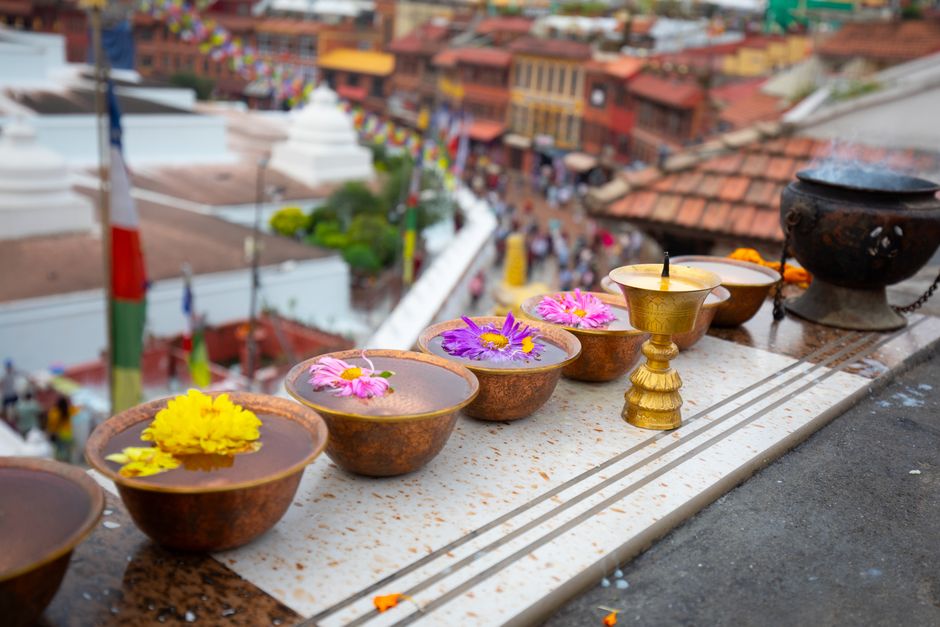
Lisbon’s culture is grounded in the everyday. The azulejo tiles tell stories on walls and train stations. You can learn about their history through small museums and then notice them everywhere in Alfama and Mouraria. Fado, the country’s soulful music, thrives in intimate venues where locals still gather.
Take a pastel baking class or join a market tour that supports immigrant-run businesses. Tram 28 can be crowded; instead, walk a neighborhood route and stop at a tasca for petiscos. The city’s culture is approachable, but the depth reveals itself slowly.
Queenstown, New Zealand: Māori Culture and Landscape
New Zealand’s South Island offers access to Māori culture through community-led experiences. Guided walks can share local history, place names, and ecological knowledge. Learn how the land, stories, and language are interwoven, especially around lakes and mountains.
A cultural performance or storytelling session provides context before you hike or see glaciers. Respect tikanga, or customs, and seek experiences that are offered by Māori-owned operators. This approach supports cultural continuity and gives visitors a grounded perspective.
How to Find Authentic Experiences
Start with local organizations and community tourism networks. These groups often maintain standards, ensure fair pay, and set expectations for visitors. Check for affiliations with regional associations or cultural ministries.
Ask specific questions when booking: Who leads the experience? How are local partners compensated? Is the activity time-bound or open to conversation? Direct, respectful questions often lead to richer, safer, and more ethical choices.
Timing and Seasonality
Align your trip with local calendars. Harvest seasons, religious holidays, and musical cycles add context you cannot find in quieter months. Weather affects access in mountain and river areas; plan your activities accordingly.
Read recent travel advisories and community notices. Some experiences require booking far ahead, especially those led by small cooperatives. Build flexibility into your itinerary so you can accept an invitation or adjust to a local event.
Respectful Engagement
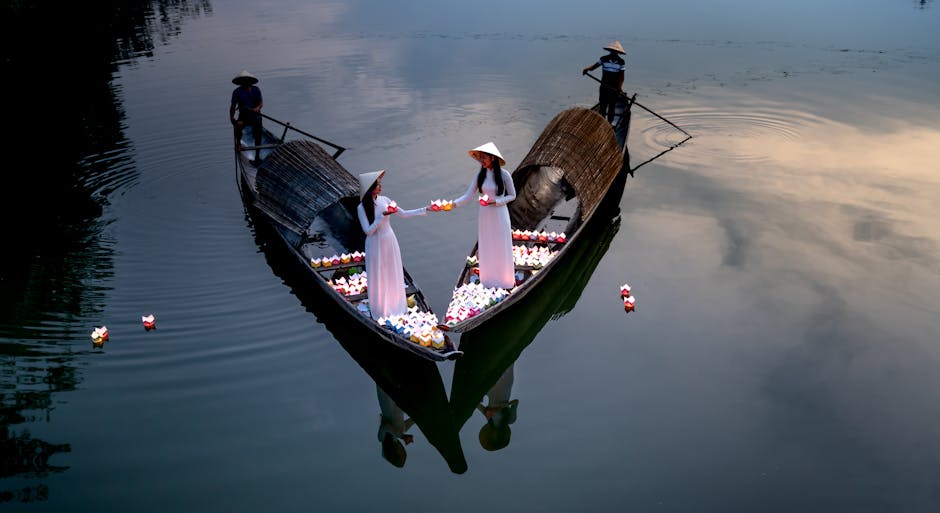
Ask before taking photos, and avoid photographing children without explicit permission. Dress modestly when appropriate. Learn the basics of local greetings and thank-yous; these small signals matter.
Do not treat people as props. If you want a portrait, ask and offer to share a copy. Support local businesses directly, and avoid pressure tactics or haggling that undermines fair wages.
Common Mistakes to Avoid
Do not rely on unverified reviews that mention only atmosphere without details on ethics or accuracy. Be wary of tours that promise “insider access” without naming local partners. Skip animal encounters that seem staged or offer close contact for photo purposes.
Do not assume one visit explains a culture. Complexity is normal. Give yourself time to ask questions, return to places, and listen without rushing to conclusions.
Practical Takeaways
Pick one or two priorities for each destination: a workshop, a market, a family meal. Allow space for serendipity. Keep a simple journal to note names, places, and lessons learned. These details make a trip meaningful long after you return home.
FAQ
How do I know if a cultural experience is authentic?
Look for signs that locals participate, not just tourists. Prices should be transparent, and hosts should be willing to explain their background. Community-run venues often share profits and set fair standards.
What should I avoid when seeking cultural experiences?
Steer clear of staged performances that treat culture as a theme park attraction. Avoid activities that exploit animals or pressure people for photos. Question tours that omit local partners or details about where money goes.
How can I prepare before visiting a cultural destination?
Learn basic greetings and customs. Research the calendar for local events and holidays. Choose accommodations that support the community and book experiences through trusted local organizations.