
Travel Adventures Through Stunning Landscapes and Cultures
Exploring travel adventures through stunning landscapes and cultures offers a direct path to richer experiences. This guide covers practical routes, cultural insights, and planning steps to help you design memorable journeys across diverse regions. You will find specific destination examples, comparisons for different travel styles, and warnings for common pitfalls.
Why Travel Adventures Through Stunning Landscapes and Cultures Matter
Traveling through varied scenery and communities builds perspective. It connects you with local traditions, natural wonders, and personal challenges that shape lasting memories. Here is how to approach planning with purpose and clarity.
Planning Your Journey: Steps and Considerations
Start by defining what you want to experience. Focus on one or two regions initially to avoid burnout. Budget realistically for transport, lodging, food, and permits.
Set a Clear Goal
Decide if you seek solitude in mountains or engagement in bustling markets. Your goal determines your route, pace, and packing list. A single focus reduces decision fatigue.
Choose Your Travel Style
Independent travel suits flexible planners. Guided tours provide structure and local access. Combining both—for example, a week alone and a few days with a guide—often balances freedom and support.
Build a Realistic Timeline
Account for travel days, acclimation, and rest. Rushing between landscapes reduces immersion. Allow buffer days for weather or unexpected closures.
Iconic Routes Through Landscapes and Cultures
These routes pair striking scenery with meaningful cultural encounters. Each example includes practical tips and comparisons.
Patagonia: Mountains, Glaciers, and Frontier Towns
Travel through Chile and Argentina offers granite spires, blue ice, and gauchos. Torres del Paine and El Chaltén provide well-marked trails, while small towns host local food and history.
- Best season: November to March for long daylight.
- Warning: Weather changes quickly; pack layers and waterproof gear.
- Takeaway: Book refugios or campsites months ahead.
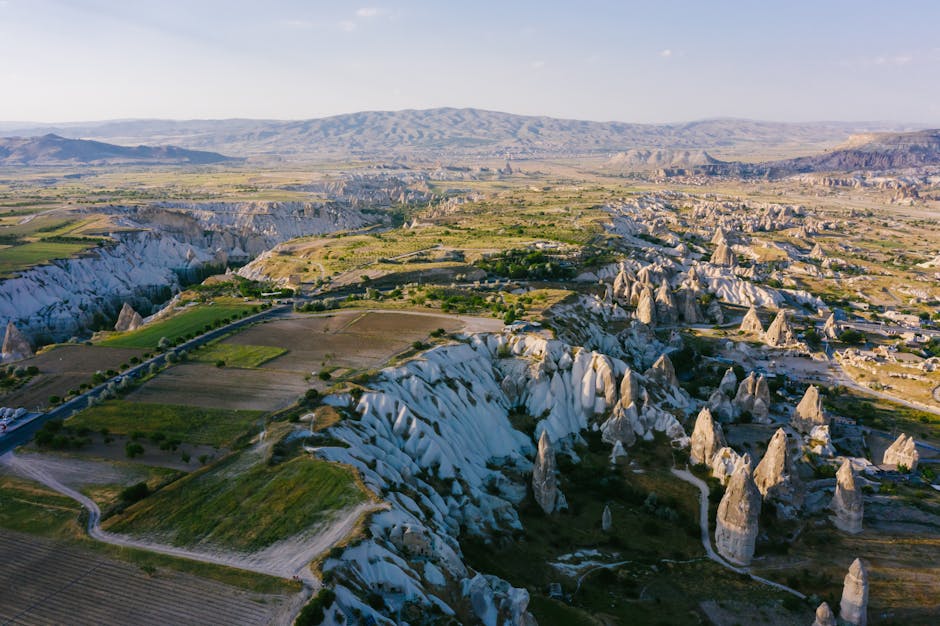
Japan: Mountains, Temples, and Rural Villages
The Japan Alps and northern Honshu showcase alpine valleys and traditional architecture. Hike the Nakasendo trail between Edo-period inns, then visit Kyoto temples for contrast.
- Compare: Japan offers excellent transit, unlike Patagonia’s sparse roads.
- Warning: Many rural eateries do not accept cards; carry cash.
- Takeaway: Mix urban and rural days to balance pace.
Morocco: Deserts, Kasbahs, and Atlas Communities
From Marrakech to the Sahara, you can walk medinas, trek High Atlas villages, and camp under stars. Local guides add depth to markets, crafts, and food.
- Best season: Spring and autumn for cooler desert nights.
- Warning: Bargain respectfully; confirm prices before services.
- Takeaway: Learn basic Arabic or French phrases for connection.
Cultural Engagement: Respectful and Rewarding Practices
Meaningful travel depends on how you interact. Small efforts prevent misunderstandings and open doors.
Learn Local Norms Before Arrival
Understand greeting customs, dress codes, and photography etiquette. For example, some temples prohibit inside photos or require covered shoulders.
Support Community Travel
Choose locally owned lodges, hire community guides, and eat at neighborhood restaurants. This keeps revenue in the area and offers authentic perspectives.
Practice Slow Travel
Stay longer in one place to observe routines and build trust. A single village over three days often reveals more than four towns in two.
Roadmap for a Safe and Smooth Adventure
Follow these steps to reduce risk and increase enjoyment.
Step 1: Research Climate and Seasonality
Check historical weather and local festival dates. Crowds and prices shift with seasons; plan accordingly.
Step 2: Secure Essential Documents
Confirm passport validity, visas, and required permits for parks or protected areas. Keep digital and paper copies separately.
Step 3: Plan Health and Insurance
Consult a travel clinic for needed vaccinations. Buy medical and evacuation coverage; read exclusions carefully.
Step 4: Pack for Flexibility
Choose a layering system, a durable daypack, and versatile footwear. Avoid overpacking; laundry options are common in many towns.
Step 5: Stay Connected and Accountable
Share your itinerary with a trusted contact. Use offline maps, carry a power bank, and register with local authorities when required.
Comparing Travel Options: Pros and Cons
Your choices shape the rhythm of your trip. Consider these comparisons.
Solo Versus Group Travel
Solo travel offers maximum flexibility and personal challenge. Group tours provide built-in logistics and social contact. Mixed approaches work well for many travelers.
Budget Versus Comfort
Budget travel emphasizes hostels, local buses, and street food. Comfort travel adds private rooms, flights, and guided excursions. Set a daily budget cap and adjust as needed.
Active Versus Relaxed Pace
Active trips center on hiking, biking, or climbing. Relaxed trips prioritize scenery, cafes, and observation. Hybrid itineraries prevent fatigue and boredom.
Common Warnings and Pitfalls
Avoid these frequent mistakes to protect your time and money.
- Do not underestimate altitude; ascend gradually and hydrate.
- Do not ignore local laws and customs; penalties can be serious.
- Do not rely solely on credit cards; cash remains essential in many areas.
- Do not book nonrefundable plans without backup options.
Practical Takeaways for Memorable Journeys
Focus on learning, safety, and respect. Keep your schedule flexible, document your experiences, and leave places better than you found them.
FAQ
How do I choose the first destination for travel adventures through stunning landscapes and cultures?
Start with a place that matches your main interest—mountains, deserts, or forests—and check season, access, and safety. Narrow to one region to avoid logistics overload.
What budget level is realistic for a two-week trip covering multiple landscapes?
Costs vary widely. In many regions, $75–150 per day covers hostels, local transport, and food, while $200–350 suits midrange hotels and guided activities. Build a buffer for permits and emergencies.
How can I engage with local cultures without being intrusive?
Ask permission before taking photos, learn basic greetings, and hire community guides. Spend money with local businesses, listen more than you speak, and follow posted rules.