
Travel Adventures Across Spectacular Landscapes and Regions
Planning your next journey means choosing destinations that match your sense of adventure. This guide explores exceptional landscapes and regions, offering practical steps, real examples, and key warnings to help you travel smarter.
From towering mountain ranges to vast coastlines, each area presents unique challenges and rewards. We cover preparation, route selection, and local insights so you can focus on the experience itself.
What Defines a Spectacular Landscape?
A landscape becomes spectacular when its scale, novelty, and accessibility combine to create a lasting impression. Think of the jagged peaks of the Dolomites versus the rolling Patagonian steppes—each demands different planning.
Consider factors like seasonal weather, trail conditions, and local infrastructure. A remote desert can offer solitude, but you must carry extra water and know the nearest help points.
Comparing Mountain and Coastal Adventures
Mountain travel often focuses on elevation gain, acclimatization, and gear like hiking boots and layers. Coastal trips prioritize tides, wind exposure, and marine access, such as kayak tours or boat charters.
For example, a trek in the Rockies requires checking avalanche forecasts, while a sailing trip along the Greek Islands needs knowledge of seasonal meltemi winds. Both reward preparation.
Planning Your Adventure: A Step-by-Step Approach
Start by defining your core interest—scenic drives, long hikes, or cultural immersion. This clarity shapes your destination shortlist and budget.
Next, research permits, reservations, and seasonal closures. Popular sites like Yosemite National Park often require timed entry, while lesser-known regions may have limited transport options.
Building a Realistic Itinerary
Allow buffer days for weather delays. In regions like the Scottish Highlands, rain can suspend outdoor activities, so having indoor alternatives—like visiting a local distillery—keeps the trip enjoyable.
Map distances between key points using tools like Google Maps or dedicated hiking apps. A 200-mile drive might take five hours on paper but double during harvest season.
Iconic Regions for Travel Adventures
Norway’s fjords offer dramatic cliffs and waterfalls, best explored by ferry or small ship cruises. Summer provides long daylight, but winter limits access to some roads.
New Zealand’s South Island combines glaciers with golden beaches. A rental car allows flexibility, but book campsites early—summer demand is high.
The American Southwest
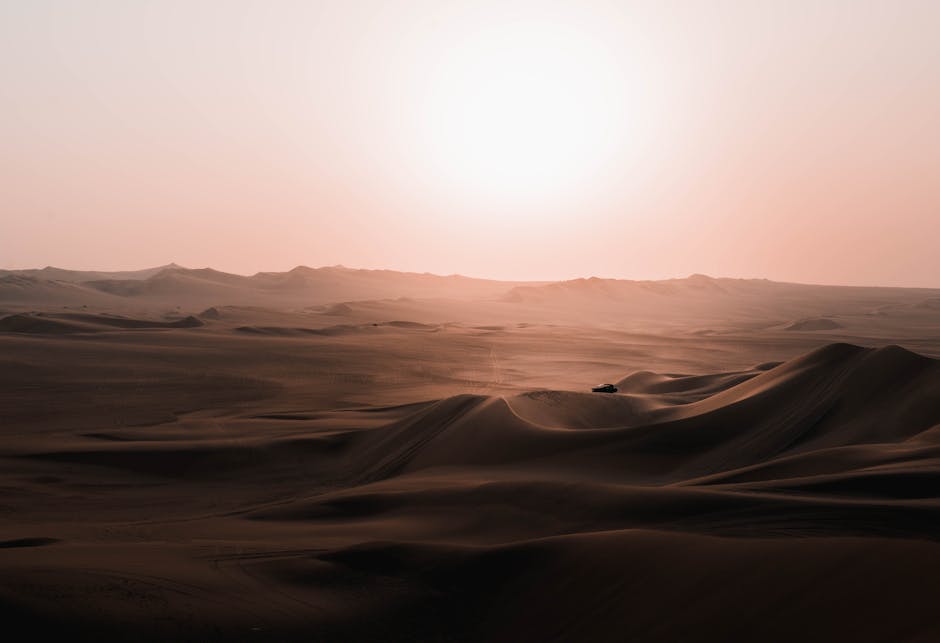
Deserts like those in Utah and Arizona showcase sandstone formations and slot canyons. Visit in spring or fall to avoid extreme heat. Always carry extra water and check flash flood warnings.
Parks like Zion and Bryce Canyon have shuttle systems to reduce traffic. Plan your hikes early to secure parking and avoid crowds.
Essential Gear and Safety Tips
Invest in quality footwear broken in before your trip. Blisters can ruin a hiking day, so test shoes on local trails first.
Navigation tools remain critical. Even with GPS, carry a paper map and compass—batteries fail, and signals drop in remote valleys.
Wildlife Encounters and Respect
Observe animals from a distance. In places like Banff National Park, feeding wildlife is illegal and dangerous. Use bear spray where required and know proper storage.
Stay on marked trails to protect fragile ecosystems. In alpine regions, stepping off-path can damage slow-growing vegetation.
Seasonal Considerations Across Regions
Timing affects cost, crowd levels, and accessibility. Shoulder seasons—just before or after peak periods—often offer better deals and milder weather.
Research local holidays and festivals. They can enhance cultural immersion but may cause closures or increased prices.
Adapting to Climate Variations
Pack layers regardless of destination. Mountain climates change rapidly, and coastal winds can drop temperatures unexpectedly.
Check long-range weather forecasts but stay flexible. A good guide adjusts plans based on daily conditions.
Budgeting for Diverse Landscapes
Costs vary widely. European train passes can save money on multi-country trips, while remote destinations may require expensive domestic flights.
Allocate funds for unexpected needs, like a rental car upgrade after a road closure. Always have a financial buffer.
Accommodation Choices
Hotels offer comfort, but hostels and guesthouses provide social opportunities and lower costs. Camping suits some landscapes but requires gear investment.
Book refundable options early. This allows changes if a better opportunity arises.
Capturing the Experience: Photography Basics
Golden hour light enhances landscapes. Arrive early at viewpoints for softer shadows and fewer people.
Use a tripod for long exposures, like waterfalls or night skies. A lightweight model balances quality with packability.
Respectful Photography Practices
Avoid disrupting others to get a shot. In crowded landmarks, wait your turn or seek alternative angles.
Obtain permission for portraits. Many cultures appreciate consent, and it leads to more genuine images.
Sustainable Travel Across Regions
Choose operators with clear environmental policies. Support local guides who invest in community projects.
Minimize waste by carrying reusable containers. In areas with limited recycling, pack out all trash.
Reducing Your Footprint
Offset carbon emissions for flights through verified programs. Lower-impact activities like hiking or cycling reduce reliance on motorized transport.
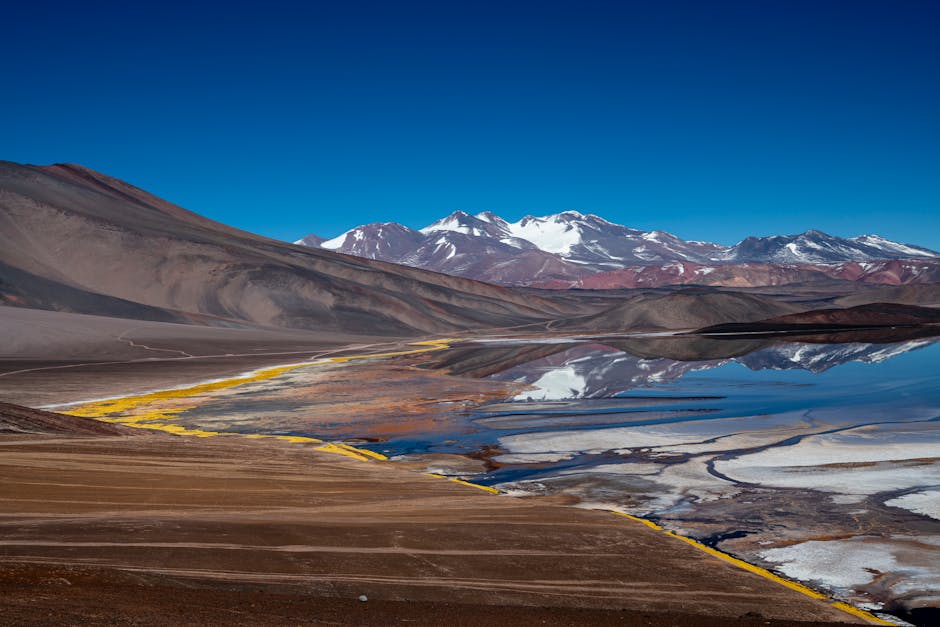
Respect water scarcity in desert regions. Use biodegradable soap and limit shower time.
Common Challenges and Solutions
Language barriers can arise in remote regions. Learn basic phrases or use translation apps to bridge gaps.
Health precautions vary by location. Consult a travel clinic for region-specific vaccinations and advice.
Handling Remote Travel Risks
Inform someone of your itinerary. Check in regularly if possible, especially in areas with poor communication.
Carry a first-aid kit tailored to your destination. Include blister care, rehydration salts, and any personal medications.
FAQ
How do I choose the right landscape for my first adventure?
Start with your interests—water, mountains, or forests. Research accessibility, season, and local rules. A short trial trip nearby can build confidence.
What should I pack for multi-region travel?
Focus on versatile layers and sturdy footwear. Include a daypack, navigation tools, and region-specific items like sun protection or rain gear.
How can I travel responsibly without sacrificing experience?
Prioritize local businesses, stay on trails, and minimize waste. Small choices add up to support conservation and community well-being.
Final Takeaways for Your Journey
Travel adventures across spectacular landscapes and regions thrive on preparation and flexibility. Choose destinations that align with your goals, and adapt (when needed) to changing conditions.
Remember the practical steps: research seasons, pack wisely, and respect local environments. Each trip becomes more rewarding when you blend adventure with thoughtful planning.