
The Ultimate Travel Guide to Exploring Hidden Global Treasures
This guide shows you how to find and visit places most travelers miss. You get practical steps for planning, real examples from different regions, and tips to avoid common pitfalls. The focus is on authentic, lesser-known spots that offer real value without the crowds.
Exploring hidden global treasures is about planning, respect, and a bit of curiosity. You will learn where to look, how to get there, and what to expect when you arrive. This approach helps you travel deeper and more thoughtfully.
Why Explore Hidden Treasures Instead of Tourist Hotspots?
Tourist hotspots can feel overcrowded and expensive. Hidden gems often provide a more genuine connection to local culture and landscape. You might pay less, see more, and leave a smaller footprint.
Hidden spots also support local communities directly. Your spending goes to small guesthouses, family-run eateries, and independent guides. This creates a more balanced travel economy.
The Real Value of Going Off the Beaten Path
Visiting a quiet village in the Caucasus or a remote beach in Southeast Asia can redefine your trip. You avoid long lines and inflated prices. You also get space to think and connect with the place.
How to Find Hidden Global Treasures
Start with broad research, then narrow it down. Use a combination of tools and local insights to identify promising locations. Always cross-reference information from multiple sources.
Research Tools and Sources
Guidebooks still matter, but look for older editions and niche titles. Online forums like Reddit’s travel communities can reveal recent discoveries. Social media hashtags can show you what a place looks like right now.
- Regional blogs and local news sites for current conditions.
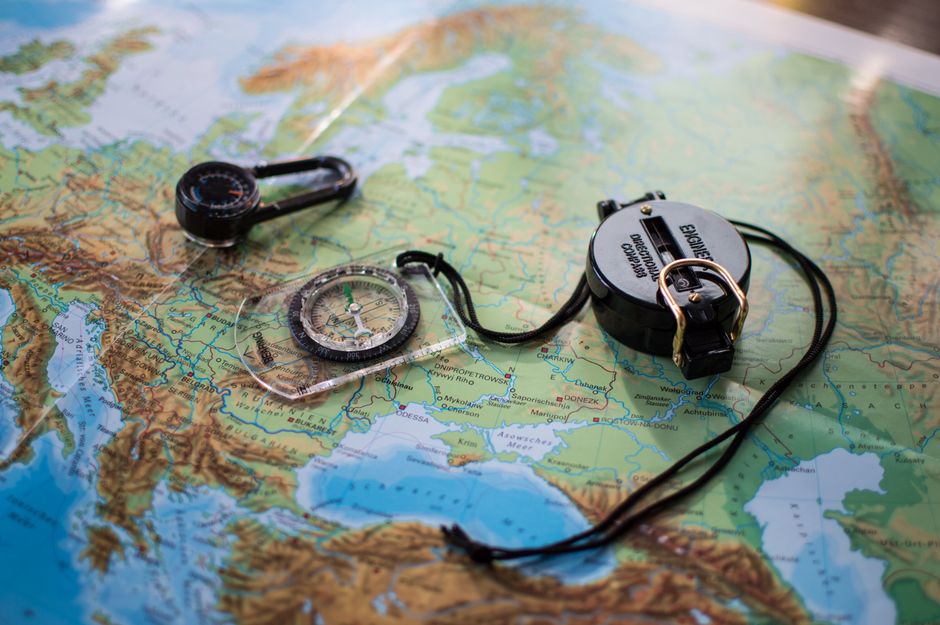
- Topographic maps for hiking and rural access.
- Contacting local tourism boards for off-season advice.
Talking to Locals and Expats
Once you arrive, ask shopkeepers, drivers, and cafe owners for their favorite places. They often know about seasonal events or scenic spots that don’t appear online. Offer fair payment for their time if it extends into a guided tour.
Using Technology Wisely
Download offline maps and translation apps before you go. Some hidden areas have little to no cell service. Rely on GPS coordinates for trailheads or homestay addresses.

Planning Your Trip: Practical Steps
Good planning prevents problems later. Work backward from your dates and budget. Build in flexibility for weather or local holidays.
Budgeting for Lesser-Known Destinations
Costs can be lower, but surprises happen. Allocate funds for extra transport, such as hiring a 4×4 or a local boat. Set aside cash for emergencies, especially where cards are not accepted.
Transportation and Access
Research how to reach the area. Some hidden treasures involve multiple bus changes, shared taxis, or long walks. Know the last bus time and where to stay if you miss it.
Compare routes using local transport apps and community advice. International booking sites may not list all options.
Accommodation in Remote Areas
Expect basic conditions. Family-run guesthouses and homestays are common. Book ahead if possible, but be prepared for simple meals and shared bathrooms.
Regional Examples of Hidden Treasures
These examples show the variety of hidden spots across the globe. Each requires different preparation and offers unique rewards.
Europe: The Albanian Riviera
While Croatia’s coast gets crowded, southern Albania remains quiet. Beaches like Dhërmi and Himara have clear water and affordable seafood. The roads are winding, so allow extra travel time.
Asia: The Mergui Archipelago, Myanmar
This chain of over 800 islands sees few visitors. You can arrange boat trips to meet sea nomad communities and snorkel untouched reefs. Permits are required, so work with a licensed local operator.
Africa: The Omo Valley, Ethiopia
The Omo Valley is home to diverse ethnic groups with distinct traditions. Travel here is more about cultural exchange than typical sightseeing, so hire a knowledgeable guide to visit respectfully and ethically.
Americas: The Osa Peninsula, Costa Rica
Near Corcovado National Park, the Osa Peninsula offers dense rainforest and wildlife. It is less developed than other parts of the country, and access requires planning. Stay in eco-lodges that support conservation.
Responsible Travel and Safety
Responsible travel ensures these places remain special. Follow local guidelines, respect private property, and avoid disturbing wildlife.
Respecting Local Cultures
Ask before taking photos of people or homes. Dress modestly in conservative areas. Learn a few basic phrases in the local language; it shows effort and builds goodwill.
Environmental Considerations
Carry out all trash, including biodegradable items. Use reef-safe sunscreen if swimming. Stick to marked trails to protect fragile ecosystems.
Safety and Health Precautions
Check travel advisories for your destination. Register with your embassy if required. Consult a travel clinic for vaccinations and malaria prophylaxis well before departure.
Common Pitfalls and How to Avoid Them
Overconfidence is a risk in remote areas. Assume things will take longer and cost more than expected. Always have a backup plan.
Not Confirming Transport Times
Schedules can change without notice. Verify the day before and arrive early. Have the contact number for your driver or hostel.
Underestimating Physical Demands
Some hidden spots require hiking, climbing, or rough travel. Train beforehand and bring appropriate footwear. Don’t push beyond your limits for a photo.
Ignoring Weather and Seasons
Hidden places can be inaccessible during rainy season or winter. Research the best time to visit and understand the local climate patterns.
Takeaways for Your Next Trip
Plan carefully, but stay flexible. Build relationships with locals and travel with respect. The reward is a richer, more meaningful experience.
Use this guide as a starting point for The Ultimate Travel Guide to Exploring Hidden Global Treasures. Adapt the advice to your own style and interests.
FAQ
What makes a travel destination a hidden treasure?
A hidden treasure is usually less visited, offers authentic local experiences, and provides good value without large crowds. It often supports community-based tourism.
How do I stay safe in remote or unknown areas?
Research thoroughly, share your itinerary with someone at home, travel with a local guide when needed, and always have emergency contacts and funds available.
Can I visit these places on a budget?
Yes, many hidden destinations are more affordable than famous tourist spots. Hostels, local transport, and street food help keep costs low. Just plan for extra time and some surprises.