
The Best Hidden Travel Gems You Need to Visit Before Everyone
This guide uncovers overlooked destinations that offer authentic experiences without the crowds. You’ll learn about specific towns, regions, and sites that remain relatively quiet, even during peak seasons. These places provide genuine local culture, stunning scenery, and a sense of discovery that popular spots often lack. Plan your next trip around these lesser-known locales to find real value and memorable moments.
Why Seek Out Hidden Travel Gems?
Traveling to popular destinations often means longer lines, higher prices, and a diluted sense of place. Hidden gems counter that by offering tranquility, affordability, and a closer connection to local life. You can explore at your own pace, engage with residents, and see sights that aren’t on every tour bus route. This approach also supports smaller communities that rely on tourism but don’t get the same attention as major landmarks.
The Benefits Beyond the Crowd
Beyond avoiding queues, undiscovered locations frequently provide better value. Accommodation and meals can cost significantly less than in hotspots. The environment often feels more pristine, with less litter and strain on natural resources. You also create unique memories, since you’re less likely to encounter the same photographed backdrop as everyone else.
Hidden Gem 1: The Azores, Portugal
The Azores archipelago sits in the mid-Atlantic, a nine-island chain of volcanic craters, thermal springs, and blue hydrangeas. São Miguel is the largest island, featuring Sete Cidades, a twin-lake system that appears in countless photos, yet still feels peaceful. Most travelers focus on mainland Portugal or the Algarve, leaving these islands refreshingly quiet.
What to Do in the Azores
Hike the rim of Sete Cidades for panoramic views, or soak in the geothermal pools in Furnas. Go whale watching from Horta on Faial Island, or explore the lava tubes in Graciosa. The islands are well-connected by short flights, making island-hopping manageable within a week.
Timing and Access
Visit between May and September for the best weather. Flights from Lisbon or Porto take under two hours. Renting a car is essential on most islands to reach trailheads and viewpoints. Book accommodations early, as guesthouses are limited but offer excellent value.
Hidden Gem 2: Pamukkale, Turkey
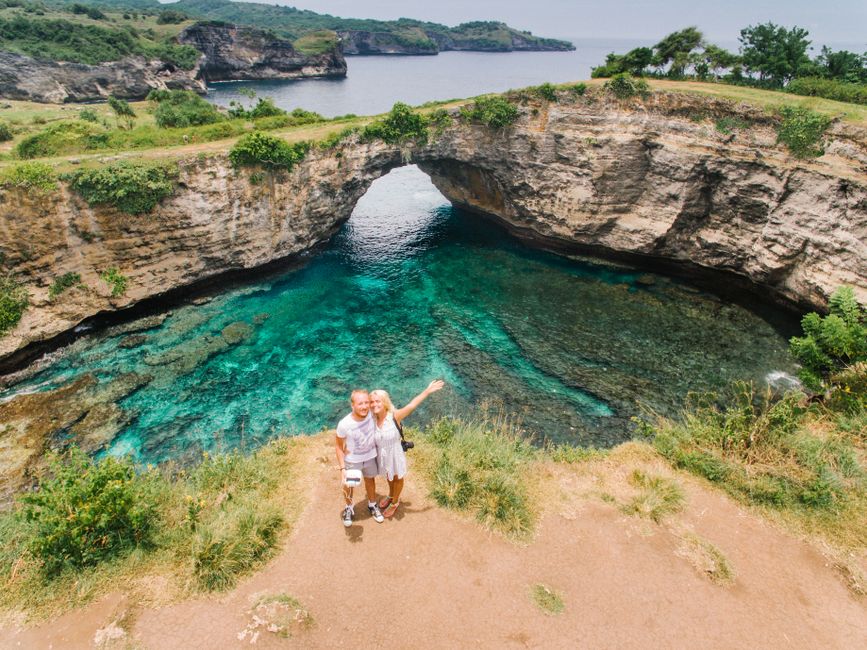
Pamukkale, meaning “cotton castle,” is a series of white travertine terraces formed by mineral-rich thermal waters. While the ancient city of Hierapolis sits above, the main attraction draws fewer international tourists than Istanbul or Cappadocia. The terraces are visually striking and offer a unique bathing experience.
Exploring the Terraces and Ruins
Walk barefoot on the limestone pools, which are warmer than expected. The waters are said to have therapeutic properties, though check local guidelines as some areas are protected. Combine a visit with the archaeological ruins of Hierapolis, including a well-preserved Roman theater.
Practical Considerations
Arrive early to avoid day-trip buses from nearby resorts. The town of Denizli is the gateway, with frequent buses from major cities. Wear water shoes, as the terraces can be slippery. Respect the rules—swimming in the main terraces is prohibited to preserve the formations.
Hidden Gem 3: Siwa Oasis, Egypt
Siwa Oasis sits in the Western Desert, a remote settlement surrounded by sand dunes and salt lakes. It’s one of Egypt’s most isolated communities, with a distinct Berber culture and a slow pace of life. Most tourists head to the pyramids or Red Sea resorts, leaving Siwa largely untouched.
Highlights of Siwa
Float effortlessly in the salt-rich lakes of Bir Wahed, or climb Great Sand Sea dunes for sunset views. Visit the Temple of the Oracle, where Alexander the Great allegedly sought guidance. The old town, Shali Fortress, offers a maze of mud-brick houses and local crafts.
Getting There and Staying
Travel from Cairo or Alexandria via bus or private transfer, a journey of 8-10 hours. Flights to Marsa Alam then a shorter drive are also an option. Stay in locally owned guesthouses that serve traditional Siwan dishes. Be mindful of conservative dress codes and cultural norms.
Hidden Gem 4: The Lofoten Islands, Norway
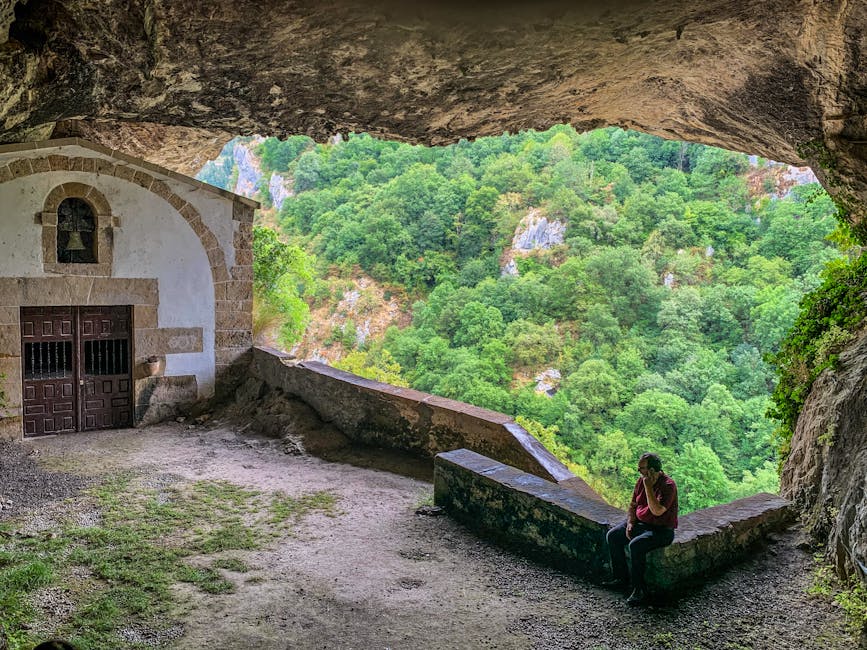
The Lofoten Islands are a dramatic chain of peaks and fjords above the Arctic Circle. They offer midnight sun in summer and Northern Lights in winter, yet receive fewer visitors than Norway’s popular fjord cruise routes. Fishing villages like Reine and Hamnøy provide postcard-perfect scenery.
Activities and Seasons
Kayak among the islands, hike to Reinebringen for sweeping views, or go fishing with local guides. Winter is ideal for aurora viewing and cross-country skiing. Summer brings endless daylight and great conditions for hiking and cycling.
Planning Your Trip
Flights to Bodø, then a ferry or rental car, connect you to the islands. Consider renting a campervan for flexibility. Book accommodations early in peak seasons, though options range from modern cabins to historic rorbuer fisherman’s huts. Layers and waterproof gear are essential year-round.
Hidden Gem 5: Gjirokastër, Albania
Gjirokastër is a UNESCO World Heritage town known for its Ottoman-era stone architecture. It sits in southern Albania, overlooking the Drino Valley. While Dubrovnik and Kotor draw crowds, this town remains quiet and affordable, with a rich history tied to writer Ismail Kadare.
Explore the Old Town
Wander cobbled streets, visit the hilltop fortress with a museum, and see the Ethnographic Museum in a traditional Ottoman house. The Zekate House offers insights into local architecture. Sample qifqi, a local rice ball, at family-run eateries.
Access and Accommodation
From Tirana, a 3-hour bus or private transfer gets you there. The town is walkable, but steep paths require sturdy shoes. Stay in guesthouses that offer views of the valley. Visit in spring or fall for mild weather and fewer tourists.
How to Plan Your Hidden Gem Trip
Research thoroughly to balance off-the-beaten-path appeal with practical needs. Check visa requirements, local transportation, and safety updates. Reach out to local tourism offices or recent travelers for current conditions. Build a flexible itinerary, as remote areas may have limited services.
Steps to Take
Start by identifying one region that matches your interests—nature, history, or culture. Then list key sights, but leave room for spontaneity. Book flexible flights and refundable accommodations. Pack layers and a small first-aid kit, as medical facilities may be limited.
Warnings and Caveats
Some hidden gems lack reliable Wi-Fi or ATMs. Inform someone of your plans if heading into remote areas. Respect local customs—ask before photographing people or sacred sites. Travel insurance is wise for off-grid destinations.
Takeaways for Responsible Travel
Visiting hidden gems comes with a responsibility to preserve them. Spend money locally, follow eco-guidelines, and avoid overcrowding by choosing off-peak times. Your presence can help economies, but only if you tread lightly. Share these places carefully to keep them special.
FAQ
What defines a hidden travel gem?
A hidden gem is a destination that offers memorable experiences but sees fewer tourists compared to major hotspots. It often features authentic culture, natural beauty, and value without the crowds.
Are hidden gems safe for solo travelers?
Most are safe with basic precautions. Check current travel advisories, stay in reputable accommodations, and avoid isolated areas after dark. Sharing your plans with someone is always a good idea.
How do I find more hidden gems?
Join travel forums, follow niche travel blogs, and ask locals for tips. Sometimes, a short detour from a popular route reveals a lesser-known spot. Trust your curiosity.