
Hidden Paradise Locations Every Travel Lover Needs to Explore
Many travelers dream of finding that secret spot, far from crowded tourist trails. This guide unveils genuine hidden paradise locations for those who crave authentic discovery. We’ll cover secluded beaches, remote mountain valleys, and quiet islands that offer real peace and unique cultural experiences. Each suggestion includes practical details to help you plan a meaningful trip.
Why Seek Out Hidden Paradise Locations
The appeal goes beyond simply avoiding crowds. These places often preserve local traditions and natural ecosystems that mass tourism can erode. Visiting them supports community-based tourism and provides a deeper connection to a destination. This approach turns a vacation into a more thoughtful form of travel.
The Shift Toward Conscious Exploration
More travelers now prioritize quality over quantity. They choose fewer destinations but spend more time understanding them. This mindset naturally leads to discovering lesser-known areas. It also reduces the environmental strain on popular hotspots.
Secluded Coastal Gems
Coastal hideaways offer a unique blend of relaxation and adventure. These spots typically feature clear waters, uncrowded shores, and local dining. They are perfect for travelers who want to unwind without a constant stream of beach vendors and tour groups.
Koh Rong Sanloem, Cambodia
This Cambodian island is a short boat ride from the busy shores of Sihanoukville. Its sandy beaches, like Saracen Bay, are lined with simple bungalows rather than large resorts. The water is calm and ideal for snorkeling among vibrant coral. At night, the lack of light pollution reveals a stunning starry sky.
The Azores, Portugal
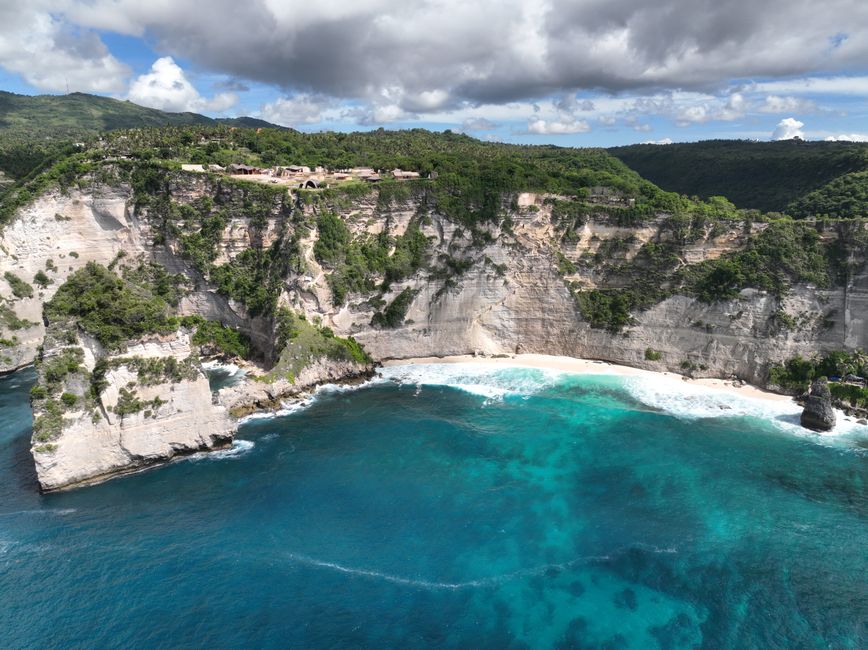
While gaining attention, the Azores remain a wild Atlantic outpost. These nine volcanic islands are known for their dramatic landscapes, thermal springs, and whale watching. São Miguel island, for example, has crater lakes like Sete Cidades that seem surreal. The local culture is distinct, with fresh seafood and a slow pace of life.
Mountain Retreats Far from the Crowds
Mountain destinations provide cool air, breathtaking views, and a sense of quiet that is hard to find elsewhere. These areas often require a bit more effort to reach, which preserves their character. They are suited for hikers, photographers, and anyone seeking mental clarity.</p
Sapa’s Lesser-Known Valleys, Vietnam
While Sapa town is popular, the surrounding valleys hold quieter treasures. Trekking to villages like Ta Phin or Lao Chai offers a glimpse into the lives of local ethnic groups. The terraced rice fields change color with the seasons, creating a living landscape. Staying in a homestay here provides a genuine cultural exchange.
The Faroe Islands, Denmark
Perched between Iceland and Norway, the Faroe Islands are a collection of rugged, green landmasses. The weather can be moody, but that adds to the dramatic scenery. You can hike to cliffside viewpoints, visit tiny villages, and see thousands of seabirds. The islands operate on their own rhythm, encouraging slow travel.
Quiet Islands and Archipelagos
Islands naturally offer a sense of separation and peace. The best ones balance accessibility with a preserved environment. They often have strong local stewardship programs that protect marine life and landscapes.
Isla Holbox, Mexico
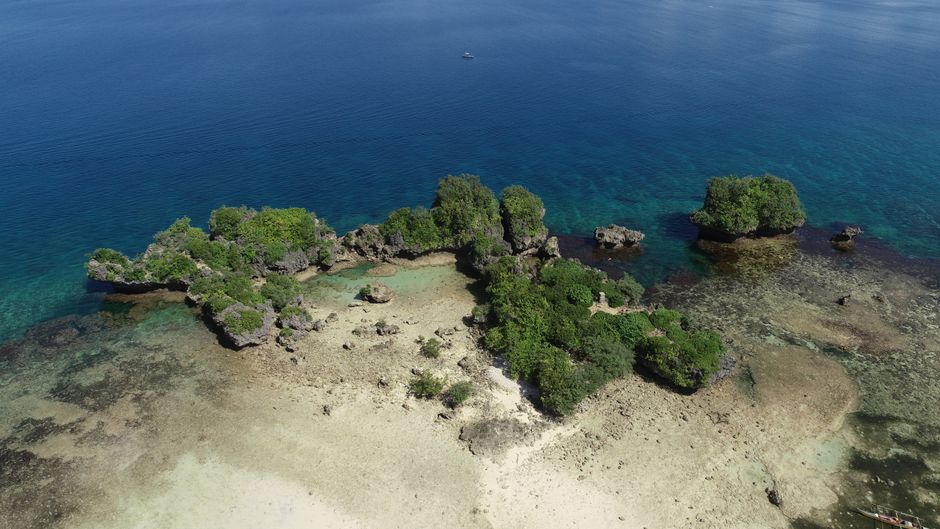
North of Cancun, Holbox (pronounced “hol-bosh”) feels like a different Mexico. There are no paved roads, just sandy streets. The island is a sanctuary for whale sharks, which you can respectfully swim with during season. Its colorful buildings and artisanal shops create a laid-back, artistic vibe.
The Lan Ha Bay Area, Vietnam
While Ha Long Bay is famous, Lan Ha Bay to the south offers a similar karst landscape with far fewer boats. This area is quieter and cleaner, with countless hidden coves and floating villages. Kayaking through its limestone pillars is a serene experience. Many local operators now focus on eco-friendly cruises.
How to Plan Your Visit Responsibly
Discovering these places comes with a responsibility to protect them. A few practical steps can make your trip beneficial rather than disruptive. Planning ahead ensures you have what you need and can contribute positively.
Research Accessibility and Seasons
Some hidden spots have limited infrastructure. Check transportation options and travel times carefully. Visiting during the shoulder season often means better weather and lower prices. Always verify local conditions, as some areas may have seasonal closures or weather-related risks.
Respect Local Customs and Environments
Learn a few basic phrases in the local language. Dress appropriately, especially when visiting religious or rural sites. Avoid single-use plastics and follow “leave no trace” principles. Support local guides, eateries, and artisans directly whenever possible.
Practical Takeaways for Travelers
Exploring hidden paradise locations enriches your understanding of the world. It also helps distribute tourism benefits more evenly. Remember to stay flexible, as plans may change in remote areas. Most importantly, travel with curiosity and respect.
Final Checklist Before You Go
Confirm your travel documents and any required visas. Purchase comprehensive travel insurance that covers remote areas. Inform someone back home of your itinerary. Pack light but include essentials like a reusable water bottle, a good camera, and a first-aid kit.
Frequently Asked Questions
What defines a hidden paradise location?
A hidden paradise location is typically less visited, preserves local culture and nature, and offers a peaceful, authentic experience away from mainstream tourism. It often requires more thoughtful travel planning.
Are these places safe for solo travelers?
Yes, many are safe, but research is key. Check current travel advisories, read recent visitor reviews, and consider joining a trusted local tour for the most remote areas. Always share your itinerary with someone you trust.
How can I avoid damaging these fragile places?
Follow local guidelines, stay on marked trails, avoid disturbing wildlife, and use reef-safe sunscreen. Travel with operators who prioritize sustainability and contribute to the local economy in a positive way.