
Exploring Remarkable Destinations With Incredible Natural Beauty
Travelers seeking awe-inspiring landscapes can find plenty of options across the globe. This guide highlights specific places known for dramatic scenery, offering practical details to help plan a meaningful trip. From towering mountains to pristine coastlines, each location provides a unique encounter with the natural world.
We focus on destinations that deliver genuine visual impact without overwhelming crowds or confusing logistics. The aim is simple: help you identify and reach places where the view alone justifies the journey. You’ll find clear comparisons, key access points, and what to expect on the ground.
Why Natural Beauty Matters for Travelers
Scenic environments reduce stress and improve mood, making them a smart choice for vacation planning. Research from outdoor recreation studies consistently shows time spent in nature correlates with better mental focus. For travelers, this means choosing a destination with inherent visual rewards can enhance the entire experience.
Beyond personal benefits, natural landmarks often anchor a region’s cultural and economic identity. Visiting them supports conservation efforts local communities depend on. This creates a more sustainable travel pattern compared to purely urban or commercial itineraries.
Planning Your Visit: Key Considerations
Start by matching season to landscape. Mountain vistas often shine in late summer and early fall, while coastal views can be spectacular year-round in temperate zones. Check local weather patterns and road conditions before committing to dates.
Access varies dramatically. Some top sites require multi-day hikes, while others are visible from roadside pull-offs. Research transportation options, permits, and guide services early. Flexibility helps when weather shifts or permits are limited.
Destinations With Incredible Natural Beauty
The Canadian Rockies. Canadian Rockies Banff and Jasper
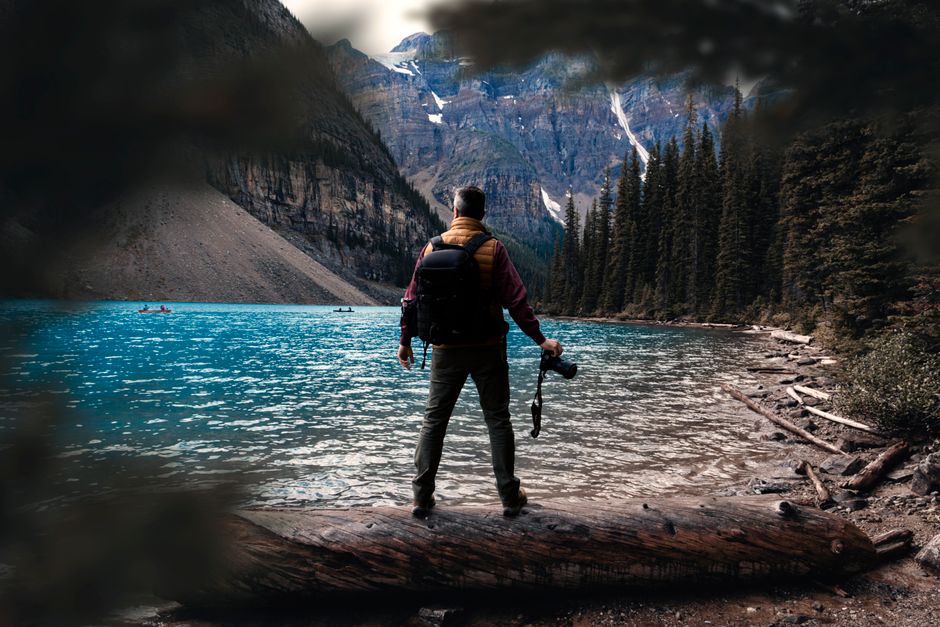
Stretching across Alberta and British Columbia, the Rockies offer jagged peaks, turquoise glacial lakes, and abundant wildlife. Banff National Park is perhaps the most famous access point, with Lake Louise and Moraine Lake drawing photographers worldwide. Jasper National Park provides a slightly quieter experience with similar geological drama.
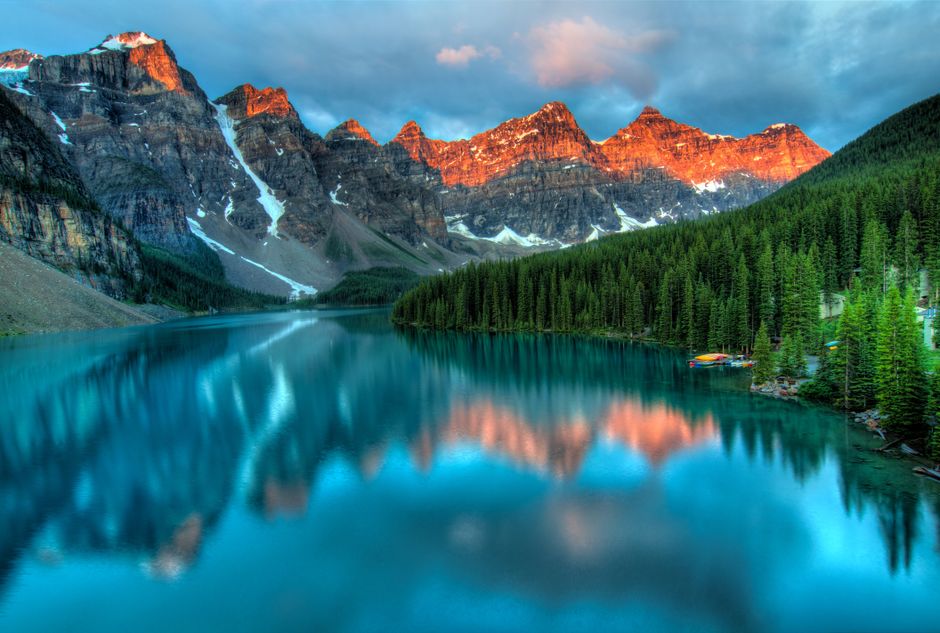
Driving the Icefields Parkway between the two parks is a highlight, with multiple pull-outs for views of glaciers and deep valleys. Summer and early fall provide the most reliable access to high-elevation trails. Winter visits demand specialized gear but offer stark, frozen beauty.
Norway’s Fjord Country
Norway’s western coastline is a network of deep, narrow inlets carved by glaciers, surrounded by steep cliffs and waterfalls. The Sognefjord is the largest, while the Geirangerfjord is often cited for its dramatic scenery and historical farms perched along the slopes.
Driving or taking a coastal ferry provides different perspectives of the scale. Small villages like Flåm and Balestrand serve as convenient bases. Note that fjord weather changes quickly; layering clothing is essential even in summer.
New Zealand’s South Island
The South Island packs remarkable variety into a compact area, from the Southern Alps to the Fiordland rainforests. Aoraki/Mount Cook National Park features the country’s highest peaks and accessible glaciers like Franz Josef and Fox. The Catlins coast offers rugged beaches and penguin colonies.
Driving times between regions are longer than they appear due to winding roads. Planning a 10- to 14-day itinerary allows for a relaxed pace. The Milford Sound drive and cruise are often called a must-see, but bookings are essential during peak season.
Patagonia’s Torres del Paine
Located in southern Chile, this national park is defined by granite spires, electric-blue lakes, and sprawling grasslands. The W Trek is the most popular hiking route, covering key sights over four to five days. Shorter day hikes also provide access to iconic viewpoints.
Patagonia’s remote location requires careful planning. Flights to Punta Arenas are followed by a long bus or car transfer. Weather is notoriously unpredictable, so flexible schedules are necessary. Most visitors travel between October and April.
The Azores, Portugal
This archipelago in the North Atlantic sits on a volcanic hotspot, creating dramatic landscapes with minimal crowds. São Miguel is the largest island, featuring crater lakes like Sete Cidades and geothermal hot springs at Furnas. Pico Island offers a challenging climb up a dormant volcano.
Ferry and inter-island flights connect the nine main islands. Renting a car is the most efficient way to explore. The climate is mild year-round, but spring and fall offer the best balance of weather and fewer tourists.
Isle of Skye, Scotland
In the Inner Hebrides, Skye combines rugged coastal cliffs, moody moorlands, and historic castles. The Old Man of Storr and the Quiraing are signature hikes with sweeping views of the sea and mountains. The Fairy Pools offer crystal-clear waters framed by the Black Cuillin range.
The island is accessible by bridge from the mainland, though summer traffic can be dense. Accommodation books quickly, so reserve well ahead. Day trips from Inverness are possible but long; staying on the island is preferable for a relaxed pace.
Comparing Destinations by Experience
Each location listed above caters to different travel styles. The Canadian Rockies and South Island offer well-developed infrastructure with many roadside viewpoints, making them suitable for families or those preferring shorter outings. Patagonia and Norway’s fjords often involve more physical effort or longer transit times, rewarding travelers with solitude.
Climate also plays a role. The Azores and Isle of Skye have milder, wetter conditions, while New Zealand and the Rockies see more distinct seasonal extremes. Your comfort with variable weather should inform destination choice.
Practical Takeaways for a Smooth Trip
Secure permits and accommodations early, especially for national parks during peak months. Many locations limit daily visitors to protect fragile ecosystems. Last-minute plans often mean missing out on key sights.
Pack layers and waterproof gear regardless of season. Mountain and coastal weather can shift rapidly. Reliable footwear is essential for even short walks on uneven terrain. Always check local guidelines for trail closures or wildlife advisories.
Frequently Asked Questions
What is the best time of year to visit these natural destinations?
Timing depends on the region and activity. Summer months generally offer the most stable weather and open trails in mountains and parks. However, shoulder seasons like late spring or early autumn can provide fewer crowds and beautiful colors.
Are these destinations suitable for travelers with limited mobility?
Several locations offer accessible viewpoints, paved trails, or guided tours with vehicles. It is best to check specific park websites for detailed accessibility information. Some areas require significant walking or hiking.
How can I minimize my environmental impact while visiting?
Stick to designated trails, carry out all trash, and respect wildlife distances. Using public transportation or carpooling reduces emissions. Supporting local conservation-focused businesses also helps protect these places.