
Exploring Hidden Wonders and Secret Locations Around the Globe
Travelers often seek the well-trodden paths, but the world holds countless places that remain largely unseen. These hidden wonders offer quiet beauty, unique history, and a sense of discovery that popular destinations can lack. From remote islands to forgotten ruins, this guide highlights several secret locations worth the effort to find. Each spot provides a distinct experience, whether you prefer solitude, adventure, or a deeper connection with nature and culture.
Below, we explore several lesser-known sites, noting what makes each remarkable and what to consider before visiting. The goal is not to overwhelm but to offer a practical starting point for your next journey.
Why Seek Out Lesser-Known Destinations?
Popular sites often come with crowds, higher prices, and a sense of performance. Hidden locations strip that away. You can engage more directly with a place, support local communities, and find moments of genuine surprise. There is also a practical side: many secret spots are less affected by overtourism, meaning you preserve the environment and culture simply by choosing them.
The Appeal of Solitude and Authenticity
Standing alone in a historic courtyard or on a cliffside path changes how you see a place. Without the noise of tour groups, you can notice small details—the texture of stone, the sound of wind, the local plants. This focus often leads to better photos, deeper memories, and a more personal connection to the location.
Balancing Adventure with Responsibility
Explorers should remember that secret locations stay that way for a reason. Many are fragile ecosystems or living communities. Respect travel guidelines, leave no trace, and avoid sharing exact coordinates on social media. The goal is to enjoy these places without spoiling them for others or the people who live there.
Remote Natural Wonders
Nature has a way of hiding its best work. Some of the most stunning landscapes are far from roads and trails, requiring effort but rewarding visitors with raw, unfiltered beauty.
Faroe Islands’ Sea Cliffs and Waterfalls
Legal rules often guide how we share information about fragile sites. The Faroe Islands, for example, have specific guidelines for hikers to protect their delicate environment. Seek official resources and consult local tourism offices for current access routes. Many cliffside paths and waterfall viewpoints are accessible with proper planning, but extreme weather can change conditions quickly.
The Waitomo Glowworm Caves in New Zealand
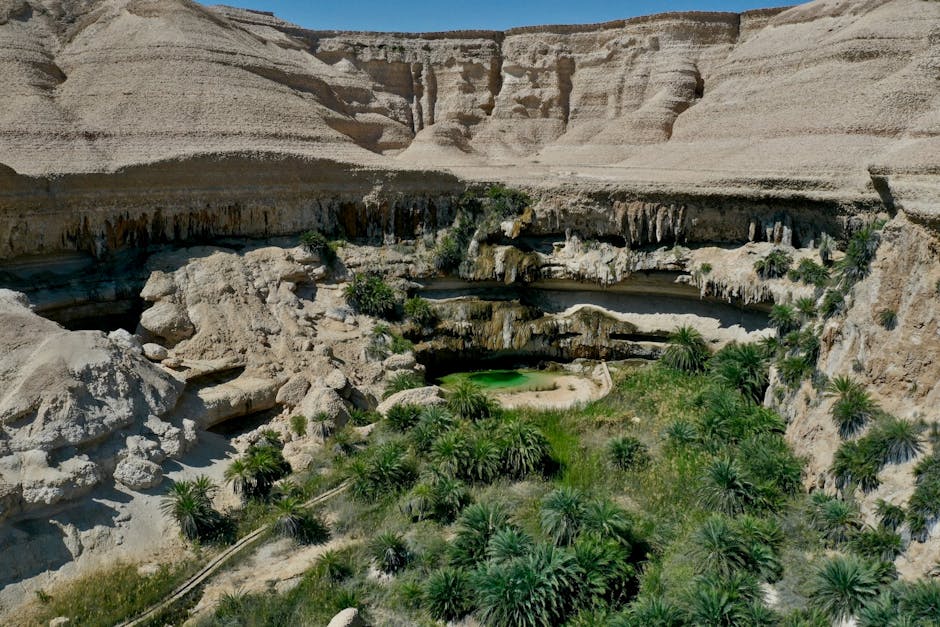
While not a complete secret, many visitors stop at the main cave tours without exploring the quieter, less-visited glowworm grottoes nearby. Booking a guided walk that goes beyond the standard route can reveal chambers where the glowworms create a star-like canopy. Local guides offer the safest way to see this natural phenomenon without disturbing the cave ecosystem.
A Remote Beach in the Azores
The Azores archipelago has many volcanic beaches, but some, like Praia do Fogo on São Miguel, remain relatively quiet. The dark sand and thermal springs create a unique setting. Check tide schedules and accessibility—some beaches are only reachable by foot or boat. Pack out everything you bring, as waste management is limited.
Historical Sites Off the Beaten Path
History is often preserved in places that mainstream tourism misses. These sites can offer a clearer window into the past, free from the clutter of modern overdevelopment.
Derinkuyu Underground City, Turkey
While Cappadocia draws crowds to its fairy chimneys, the ancient underground city of Derinkuyu waits beneath. This multi-level complex once sheltered thousands; its halls, stables, and chapels tell a story of survival and innovation. Visiting requires booking a tour, as flow is controlled to protect the structures. Wear sturdy shoes and bring a light jacket—the tunnels are cool year-round.
The Ancient Ruins of Viñales, Cuba
Viñales is known for its valley and tobacco farms, but it also contains lesser-explored archaeological sites with petroglyphs and small cave dwellings. Local guides can lead respectful visits that focus on meaning rather than mere spectacle. There is no formal ticket, but respectful behavior is expected, and donations to community projects are welcome.
The Forgotten Temples of Hampi, India
Hampi’s main temple complex sees many visitors, but the surrounding landscape holds smaller, quieter ruins. Cycling or walking between these sites lets you find carved pillars and stepwells almost alone. Early mornings offer cooler temperatures and fewer people. Carry water and sun protection—shade is scarce among the boulders.
Unconventional Cultural Hubs
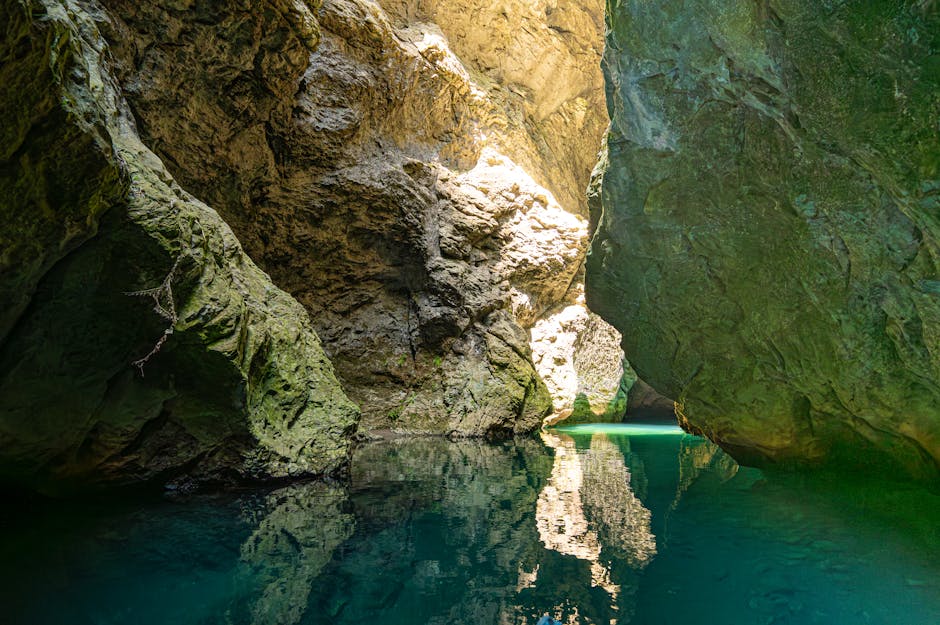
Some of the most engaging cultural experiences emerge in places not designed for tourists. Communities here often welcome thoughtful visitors who show genuine interest.
The Open-Air Library in Bamako, Mali
This community-built library is a collection of donated books and a gathering place for locals. Visitors can read, meet residents, and learn about daily life. There is no formal tour; participation is the point. Learn a few phrases in French or Bambara, and ask before taking photos. Support the library by buying a book or making a small donation.
Artisan Workshops in Oaxaca, Mexico
Oaxaca is famous for its food, but its artisan neighborhoods are often overlooked. In communities like Atzompa, you can watch pottery being made using centuries-old techniques. Workshops are informal—arrive with curiosity and patience. Many families rely on this craft; buying directly supports them and ensures authentic work.
The Community Museums of the Scottish Highlands
Small museums in villages like Tobermory or Applecross offer exhibits on local history, wildlife, and folklore. They are often volunteer-run and reflect community pride. Visiting helps sustain these spaces. Check opening hours in advance, as they may vary seasonally.
Tips for Visiting Hidden Locations
Preparation makes the difference between a rewarding trip and a problematic one. A few practical steps can ensure you leave a positive impact.
Research and Respect Access Rules
Before traveling, verify current access with official tourism boards or local authorities. Some sites close for conservation or cultural reasons. Ignoring rules can harm the place and endanger your safety. Always prioritize official information over social media tips.
Prepare for Limited Infrastructure
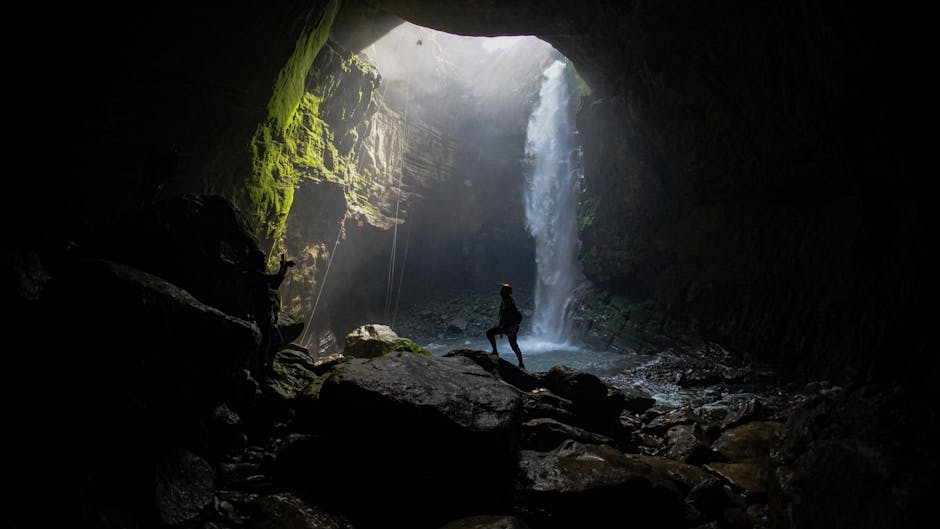
Remote areas may lack reliable internet, public toilets, or medical facilities. Carry extra water, emergency supplies, and a physical map. Let someone know your itinerary. In remote natural sites, weather can change fast—pack layers and rain gear.
Travel with a Light Footprint
Use reusable bottles and bags, avoid single-use plastics, and stick to marked paths. In cultural or community settings, follow local customs, dress modestly if required, and ask permission before photographing. Support local businesses by buying locally made goods and eating at family-run restaurants.
Planning Your Journey
Exploring hidden wonders is about intention as much as destination. Start with a region that interests you, then narrow to specific sites that match your pace and values.
Choose a Focus Area
Pick a country or region and identify one to two lesser-known sites to anchor your trip. This prevents overplanning and allows time for spontaneous discoveries. For example, pairing a hidden beach in the Azores with a nearby volcano hike creates a balanced itinerary.
Build in Flexibility
Weather, local events, or opportunities to meet people can change your plans. Avoid booking every hour—leave space for unexpected moments. This approach often leads to the most memorable experiences.
FAQ
What are the best ways to find genuine hidden locations?
Start with official tourism websites, regional travel blogs, and local guidebooks. Ask hotel staff or shop owners for tips once you arrive. Avoid overcrowded social media lists that often lead to overvisited spots.
Is it safe to visit remote secret sites?
Safety depends on preparation. Research the area, understand the risks, and consider a local guide for unfamiliar terrain. Always tell someone your plans and carry emergency supplies.
How can I ensure my visit doesn’t harm the location?
Follow local guidelines, stay on paths, pack out waste, and support the community economically. In cultural sites, respect traditions and ask before taking photos or entering private areas.