
Exploring Exotic Locations That Feel Like a Different World
Travel can reset your perspective. Some destinations do more than offer a change of scenery—they feel like stepping onto another planet. This guide highlights places where the landscape, culture, and atmosphere seem entirely separate from everyday life.
We cover practical details: how to reach these spots, what to expect, and how to plan respectfully. The goal is to help you find journeys that feel truly transformative, not just distant.
What Makes a Place Feel Like Another World?
It starts with sensory contrasts. Think alien geology, unusual light, or sounds that don’t exist back home. Isolation plays a role too—somewhere hard to reach feels more removed.
Cultural depth matters. Communities with distinct traditions offer immersion that feels like time travel. Combine that with extreme environments, and you get that otherworldly disconnect.
Geology and Landscape as a Foundation
Volcanic islands, salt flats, and desert dunes create instant disorientation. The shapes and colors don’t follow familiar patterns. Iceland’s black sand beaches and Socotra’s dragon-blood trees are prime examples.
These features aren’t just photogenic. They shape local life and ecosystems in ways that feel completely unique.
Cultural Immersion and Time Distortion
When you visit a place with living traditions, you step out of modern timelines. Remote villages in Ethiopia’s highlands or the ancestral practices of Bhutanese monasteries create a sense of timelessness.
This isn’t about “seeing culture.” It’s about experiencing daily rhythms that feel centuries apart from urban life.
Top Exotic Locations That Feel Like a Different World
These destinations consistently deliver that unexplainable shift in perception. Each offers a distinct reason why it feels separate from the rest of Earth.
The Socotra Archipelago, Yemen
Socotra is often called the most alien-looking place on Earth. Its flora includes the iconic dragon’s blood tree and bottle trees, species found nowhere else.
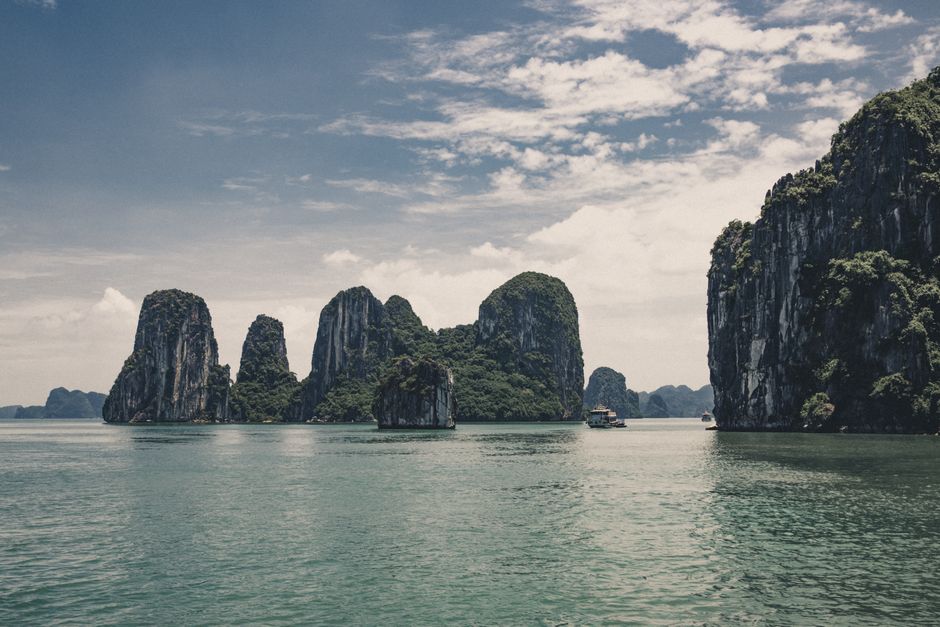
The landscape varies from white sand dunes to limestone caves. Only a few flights reach the island from mainland Yemen, adding to its sense of removal.
Danakil Depression, Ethiopia
One of the hottest places on Earth, Danakil feels like a sci-fi set. Sulfur springs, salt flats, and neon-colored pools create an extreme palette.
Visitors need a guided tour due to safety and terrain. The physical effort to explore reinforces the feeling of being somewhere untamed.
Salar de Uyuni, Bolivia
The world’s largest salt flat becomes a mirror during the rainy season. The horizon disappears, creating a seamless sky-earth blend.
In the dry season, geometric salt patterns stretch for miles. Both conditions offer a profound, almost hypnotic visual experience.
The Faroe Islands, Denmark
Green cliffs, grass-roofed houses, and sudden fog create a mythic atmosphere. The islands are remote, with a small population and strong Norse heritage.
Weather shifts rapidly, adding to the dramatic feel. It’s a place where nature dominates, not humans.
How to Plan Your Visit Responsibly
These locations are fragile. Your presence should protect, not harm. Planning with care ensures they remain extraordinary.
Logistics and Access
Some spots require flights, boats, or multi-day treks. Check visa rules, seasonal closures, and local transport options early.
For example, Socotra’s tourism depends on Yemen’s stability. Danakil requires permits and armed escorts. Research current conditions before booking.
Respecting Local Communities
These places aren’t theme parks. Support local guides, buy from artisans, and learn basic customs. A simple greeting in the local language builds respect.
Avoid treating communities as photo props. Ask permission before clicking, and listen more than you speak.
Sustainability and Environmental Impact
Stick to marked paths. Don’t remove natural objects like rocks or plants. Pack out all trash, including biodegradable waste.
Consider carbon offsets for flights. Choose eco-certified lodging when available. Small actions add up in sensitive ecosystems.
Comparing the Destinations: Quick Reference
Use this table to decide which destination matches your travel style. Each column highlights key differences.
| Destination | Best For | Access Level | Key Challenge |
|---|---|---|---|
| Socotra | Unique flora, isolation | Difficult | Political stability |
| Danakil Depression | Extreme terrain | Very difficult | Heat and safety |
| Salar de Uyuni | Visual wonder | Moderate | Weather dependence |
| Faroe Islands | Atmosphere, hiking | Easy | Unpredictable weather |
Faq Section
What is the best time of year to visit these exotic locations?
Timing depends on the destination. Salar de Uyuni is best visited during the rainy season (December to March) for mirror effects. The Faroe Islands are pleasant in summer (June to August) despite rain. Socotra and Danakil are best in cooler months (November to February) to avoid extreme heat.
Are these places safe for solo travelers?
Safety varies. The Faroe Islands and Salar de Uyuni are generally safe for solo travelers with standard precautions. Socotra and Danakil require guided tours due to remote terrain and local conditions. Always check government travel advisories and local guidelines before planning.
How can I minimize my environmental impact?
Choose direct flights when possible, use reusable water bottles, and stay on established trails. Support local economies by hiring community guides and buying local crafts. Respect wildlife and geology by not touching or removing natural features.
Steps to Start Your Journey
Begin with research. Read travel blogs, watch documentaries, and join forums focused on these regions. Look for firsthand accounts rather than marketing materials.
Next, contact local tour operators. Ask about group sizes, conservation practices, and guide credentials. Good operators will gladly share details.
Finally, build flexibility into your plans. Weather, permits, or local events may change your itinerary. A rigid schedule can lead to frustration.
Common Mistakes to Avoid
Don’t assume these places are like typical tourist spots. Infrastructure may be minimal. Pack for self-sufficiency: extra supplies, first-aid kits, and backup communication.
Avoid cultural insensitivity. Dress modestly where required. Learn about local customs and taboos before arrival.
Key Takeaways for a Meaningful Trip
Exploring exotic locations that feel like a different world requires preparation and respect. The payoff is a perspective shift that lasts long after you return.
Prioritize sustainability. Choose operators who give back to local communities. Travel with curiosity, not conquest.
Most importantly, allow yourself to feel disoriented. That’s often where the real magic begins.