
Discover Hidden Corners of the World Filled With Natural Beauty
Some of the planet’s most breathtaking landscapes remain far from tourist trails. These secluded spots offer raw, unfiltered beauty for those willing to seek them out. From remote desert canyons to misty mountain valleys, the world holds countless secrets for the curious traveler. This guide points you toward lesser-known places where nature’s grandeur is the main attraction.
Why Seek Out Unseen Natural Wonders
Popular destinations often come with crowds, high prices, and a sense of seeing something already heavily photographed. Choosing a hidden gem means experiencing a place on your own terms. You get tranquility, authentic connection with the environment, and stories that feel genuinely earned. The reward is a deeper, more personal memory of the natural world.
The Allure of Secluded Landscapes
Secluded spots provide a silence that’s becoming rare. You can hear the wind move through ancient trees or watch a predator hunt without a dozen other viewers. This isolation allows for observation of natural behaviors that are easily disrupted elsewhere. The feeling of being one of the few people to witness a specific view is a powerful draw.
How to Find And Plan Your Trip
Finding these places requires more effort than booking a flight to a major capital. It starts with shifting your research focus from “top 10” lists to niche travel blogs, geological surveys, and local hiking club publications. The best sources are often written by people who live there or who have dedicated years to exploring a specific region.
Research Beyond Mainstream Travel Sites
Start with resources like the UNESCO Global Geoparks network or the IUCN’s protected area management categories. These databases identify sites with significant natural or geological value that may not be commercialized. Country-specific park service websites often list lesser-known preserves and state parks. Look for trail reports and recent photos from hikers and photographers who update their findings online.
Timing Your Visit for Solitude and Safety
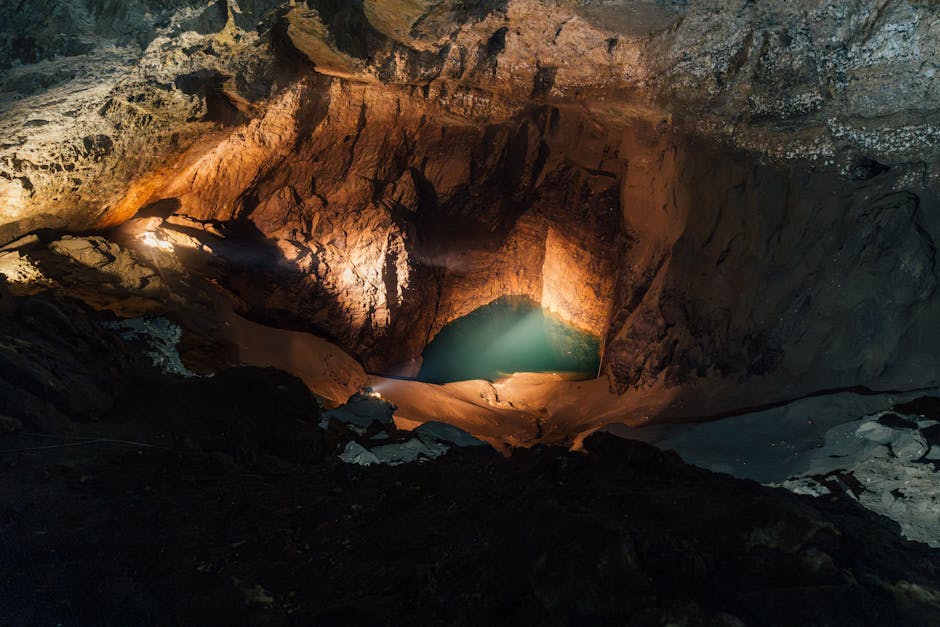
Weather and seasons drastically affect both access and experience. A remote waterfall might be a trickle in the dry season but thunderous after rains. Mountain roads can be closed by snow for months. Check regional climate data and local conditions for the exact time you plan to travel. Always have a flexible itinerary and a contingency plan for sudden weather changes.
Hidden Corners of the World: Five Regions to Explore
Here are five regions known for their stunning yet under-visited natural beauty. Each offers a distinct environment and requires different preparation. Consider your fitness level, travel style, and interests when choosing a destination. These examples illustrate the variety of hidden gems available across the globe.
The Faroe Islands’ Dramatic Coastline
Located between Iceland and Norway, the Faroe Islands are a cluster of 18 volcanic islands with steep cliffs, green valleys, and a constant moody sky. The village of Gásadalur, until recently accessible only by a demanding hike, now has a tunnel but still feels wonderfully remote. The sea stacks at Drangarnir are a challenging day hike with immense payoff. Be prepared for rapidly changing weather and winds that can be unforgiving.
The Kii Peninsula’s Sacred Forests in Japan
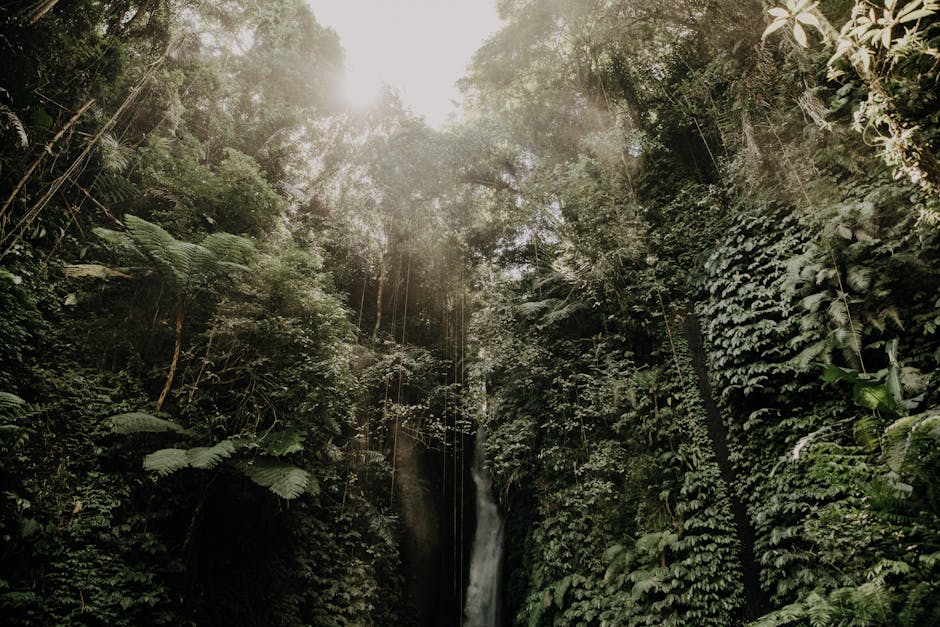
South of Kyoto and Osaka, the Kii Peninsula is home to Kumano Kodo, a network of ancient pilgrimage trails winding through pristine forests and past sacred waterfalls. The area receives far fewer foreign visitors than Japan’s famous cities. Staying in traditional minshuku guesthouses and walking old stone paths feels like a step back in time. The Nabegataki Falls and the cedar groves of Dorohara offer serene beauty without the crowds.
The Draa Valley’s Desert Oasis in Morocco
Stretching from the High Atlas to the Sahara, the Draa Valley is a long, lush corridor of palm groves, ancient kasbahs, and dry riverbeds. The town of Zagora is a gateway, but the true beauty lies in the villages along the valley’s course. Here, you can see date palms standing against stark desert mountains, a contrast of life and aridity. Travel here requires tolerance for heat, basic accommodations, and a guide for deeper desert excursions.
The Lofoten Islands’ Arctic Peaks in Norway
While Norway’s fjords are famous, the Lofoten Islands have a unique, jagged beauty that feels more remote. Fishing villages of red-roofed cabins dot the coastline, backed by towering peaks that plunge directly into the sea. Hike to Rekfjorddalen for a valley of wildflowers and reindeer, or paddle to a secluded beach for a midnight sun swim. The weather is unpredictable, so pack layers and waterproof gear regardless of the season.
The Simien Mountains’ Continental Abyss in Ethiopia
Often called the “Roof of Africa,” the Simien Mountains offer a landscape of dramatic escarpments, deep canyons, and unique wildlife like the gelada monkey. The views from the rim are vast and feel prehistoric. Trekking here involves staying in basic community camps and hiking at high altitude. Acclimatization is crucial, and a local guide is essential for both navigation and cultural context.
Respectful Travel in Fragile Environments
Hidden places often lack the infrastructure to handle heavy tourism. Your actions directly impact their preservation. Following Leave No Trace principles is non-negotiable. This means packing out all trash, staying on established trails, and respecting wildlife from a distance.
Practical Steps to Minimize Your Impact
Use reusable water bottles and containers to avoid single-use plastics. Choose local guides and accommodations to ensure your spending benefits the community that protects these areas. If you see a natural feature that seems untouched, consider whether your visit might alter it. Sometimes, the most responsible choice is to admire a place from afar.
Preparing for the Journey

Trips to remote natural areas demand careful logistics. Research visa requirements, entry permits for protected zones, and local transportation options from the nearest airport. Health precautions, such as vaccines or altitude sickness medication, may be necessary. Inform someone of your itinerary and expected check-in times.
Essential Gear and Supplies
Pack for the specific climate and activity. A reliable navigation tool, like a GPS device or detailed physical map, is critical where cell service is absent. A first-aid kit tailored to the region, sun protection, and appropriate footwear can prevent common issues. Always carry extra food and water for unexpected delays.
Frequently Asked Questions
How do I know if a hidden natural spot is safe to visit?
Safety depends on research. Check official government travel advisories, read recent trip reports from reputable sources, and consult with local authorities or tour operators. Understanding the terrain, climate risks, and wildlife presence is essential before you go.
Are these locations suitable for families with children?
Some are. The Faroe Islands have gentle walks suitable for older children, while the high-altitude Simien Mountains may be challenging for young kids. Always assess the specific trails, accommodations, and health requirements for your family’s needs.
What is the best way to support conservation in these areas?
Choose ethical tour operators who contribute to local conservation projects. Follow all park regulations, stay on marked trails, and consider donating to reputable environmental NGOs working in the region. Your mindful presence is a form of support.
With careful planning and mindful travel, you can discover hidden corners of the world filled with natural beauty. These places offer a chance to reconnect with the planet’s raw power and quiet majesty. The effort to reach them makes the experience all the more rewarding.