
Discover Ancient Wonders and Historic Sites Around the World
Tourists often seek the extraordinary, but some places offer more than just beauty—they carry decades of human history. This guide highlights sites where you can walk through time, from the oldest known stone structures to continents-spanning empires. We cover essential details for planning visits, what makes each location unique, and how to see them responsibly.
What Makes a Site an Ancient Wonder?
Ancient wonders are not just old buildings. They represent major engineering, astronomical, or cultural achievements from past civilizations. These sites often show how people solved problems long before modern technology.
Key traits include historical significance, architectural innovation, and enduring influence on later cultures. Many are protected as UNESCO World Heritage sites due to their universal value.
Criteria for Historic Importance
Historians look for sites that mark turning points in human development. The spread of ideas, trade routes, or religious practices often ties to specific locations. For example, the Great Wall of China reflects centuries of defense strategy and labor organization.
Authenticity matters too. Sites with original materials or minimal reconstruction offer the most genuine experience. Visitors should check recent restoration reports before planning trips.
Iconic Ancient Wonders in Europe
Europe’s landscape is studded with ruins that shaped Western civilization. These sites are accessible and well-documented, making them great starting points for history enthusiasts.
The Colosseum, Rome
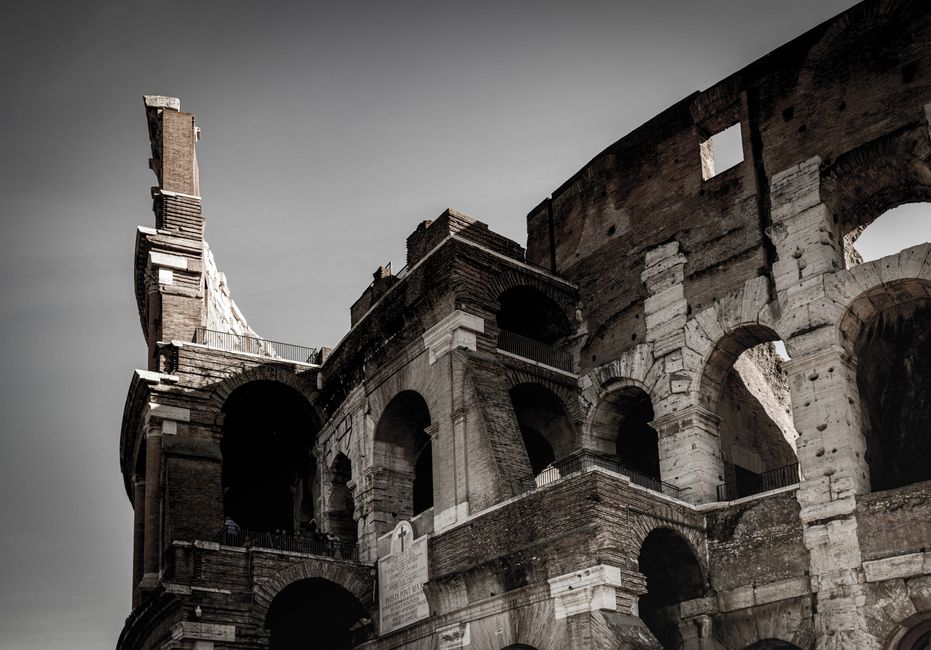
Built in 70-80 AD, this amphitheater hosted gladiatorial games and public spectacles. Its concrete arches and complex underground passages demonstrate Roman engineering prowess.
Today, guided tours reveal how the structure functioned, including its use of retractable awnings. Visitors should book timed tickets online to avoid long queues, especially in summer.
Stonehenge, England
This prehistoric monument dates back to 3000-2000 BC. The alignment of stones suggests astronomical observations, possibly for seasonal festivals.
Access is regulated to protect the site. The English Heritage offers visitor centers with exhibits on its construction theories. Arrive early for quieter viewing.
The Acropolis of Athens
Perched above Athens, this citadel includes the Parthenon, built in 447 BC. It symbolizes classical Greek ideals of democracy and artistry.
Restoration work is ongoing, so some areas may be scaffolded. The Acropolis Museum nearby provides context with artifacts found on-site.
Historic Sites Across Asia
Asian historic sites often blend spiritual and royal significance. Many are still active places of worship, adding layers of living history.
Angkor Wat, Cambodia
Constructed in the early 12th century, this temple complex was originally Hindu and later Buddhist. Its vast moat and intricate carvings detail epic stories from mythology.
Visit during the dry season for clearer skies. Hire a licensed guide to understand the symbolism and avoid overcrowded times at sunrise.
The Great Wall of China
Stretching over 13,000 miles, sections were built from the 7th century BC onward. The Ming Dynasty portions are the most visited today.
Popular sections like Badaling can be crowded. For a quieter experience, choose Mutianyu or Jinshanling, which offer hiking paths with fewer tourists.
Petra, Jordan
This Nabatean city, carved into rose-red cliffs, flourished as a trading hub around 300 BC. The Treasury facade is its most famous feature.
Wear sturdy shoes for the Siq walk-in. Consider a candlelit tour at night for a unique atmosphere, but book in advance.
Ancient Wonders in the Americas
The Americas host diverse indigenous sites that reveal sophisticated astronomical and agricultural knowledge.
Machu Picchu, Peru
This Inca citadel from 1450 AD sits high in the Andes. Its dry-stone walls and terraces show advanced understanding of terrain and climate.
Access requires a train from Cusco or an Inca Trail hike. Permits for the trail sell out months ahead, so plan early.
Chichén Itzá, Mexico
Mayan ruins from 600 AD, this site includes El Castillo pyramid. Its design aligns with equinox sunlight, creating a serpent illusion.
Visit on weekdays to avoid crowds. The cenote nearby offers a refreshing swim after exploring.
Tikal, Guatemala
Once a powerful Maya city-state, Tikal features towering temples rising above the jungle canopy. It thrived between 200 and 900 AD.
Rise early to hear howler monkeys and beat the heat. Layers are key—mornings can be cool, but afternoons get humid.
African and Middle Eastern Historic Sites
These regions offer some of the earliest human settlements and monumental architecture. Preservation challenges include climate and political stability.
Giza Pyramids, Egypt
Built around 2500 BC, the Great Pyramid was the tallest structure for millennia. Its precise alignment continues to puzzle experts.
Camel rides are popular but can be overpriced. Use licensed taxis to reach the site and carry cash for entry fees.
Petra, Jordan (Revisited for Focus)
Though mentioned earlier, Petra’s role as a crossroads of trade routes makes it essential for global history. Its water management system was advanced for its time.
Guided tours often include the Monastery, a longer trek from the Treasury. This adds perspective on the city’s scale.
Great Zimbabwe, Zimbabwe
This stone city from the 11th century was the capital of a medieval empire. The walls, built without mortar, showcase dry-stone techniques.
Access is straightforward from Harare. Local museums provide context on the Shona culture that built it.
Tips for Visiting Ancient Sites Responsibly
Respecting these locations ensures they endure for future generations. Small actions, like staying on paths, prevent erosion.
Support local economies by hiring community guides. They offer insights not found in guidebooks and help preserve cultural knowledge.
Planning Your Trip
Research climate and peak seasons. For example, desert sites like Petra feel extreme in summer, while jungle ruins like Tikal are wetter in certain months.
Check visa requirements and health advisories. Some sites require advance permits, so build flexibility into your itinerary.
Avoiding Common Pitfalls
Over-tourism can damage fragile ruins. Choose off-peak times or less-visited alternatives when possible.
Do not touch carvings or remove artifacts. Even small actions can accelerate decay.
Why Discover Ancient Wonders and Historic Sites Around the World?
Exploring these places connects us to shared human heritage. They teach resilience, creativity, and the long arc of history.
Whether you prefer guided tours or solo visits, each site offers lessons beyond textbooks. Start with one location to build your understanding.
FAQ
What is the best time of year to visit Machu Picchu?
The dry season from May to October offers stable weather. However, it’s also the busiest period. Shoulder months like April or November provide fewer crowds and moderate conditions.
Are ancient sites safe for solo travelers?
Most major sites have good tourist infrastructure. Use official guides, stay in well-traveled areas, and share your itinerary with someone. Check local advisories for any region-specific concerns.
How can I learn more about a site’s history before visiting?
Start with UNESCO’s World Heritage List for verified information. Books by archaeologists, museum exhibits, and recent documentaries offer deeper context. Guided tours on-site often fill in details.