
Amazing Natural Wonders That Every Traveler Should Experience
Seeking landscapes that reshape your perspective? This guide highlights the planet’s most breathtaking natural wonders. Each site offers unique geology, wildlife, and cultural stories. We cover practical details to help you plan a meaningful trip.
From towering cliffs to deep canyons, these destinations reward careful preparation. This article explains what makes each place remarkable and how to visit responsibly. Use these insights to build an itinerary that fits your interests and travel style.
Why These Wonders Belong on Your Travel List
These sites represent Earth’s most dramatic formations and ecosystems. Visiting them provides direct exposure to geological history and natural processes. You gain a deeper understanding of how landscapes evolve over millions of years.
Travelers often find these experiences grounding and memorable. They combine physical activity with quiet observation. Planning ahead ensures safety and minimizes your environmental impact.
Grand Canyon, USA
Why It Stands Out
The Grand Canyon exposes nearly two billion years of Earth’s history in its layered walls. Its scale is difficult to comprehend until you stand at the rim. The Colorado River continues to carve the canyon, shaping it over time.
Light changes the canyon’s colors throughout the day. Sunrise and sunset offer dramatic views. Midday light can flatten the landscape, so timing matters.
How to Visit
Most visitors start at the South Rim for easier access and more services. The North Rim is quieter but closes in winter. Book lodging months ahead, especially for peak seasons.
Day hikes like the Bright Angel Trail are popular but require preparation. Carry more water than you think you need. The return climb is strenuous and takes longer than the descent.
Great Barrier Reef, Australia
Why It Stands Out
This is the world’s largest coral reef system, visible from space. It hosts thousands of marine species and complex reef structures. Coral health varies by section, so choosing your location matters.
Climate change affects reef conditions. Bleaching events have impacted certain areas. Check recent reports before planning your visit.
How to Visit
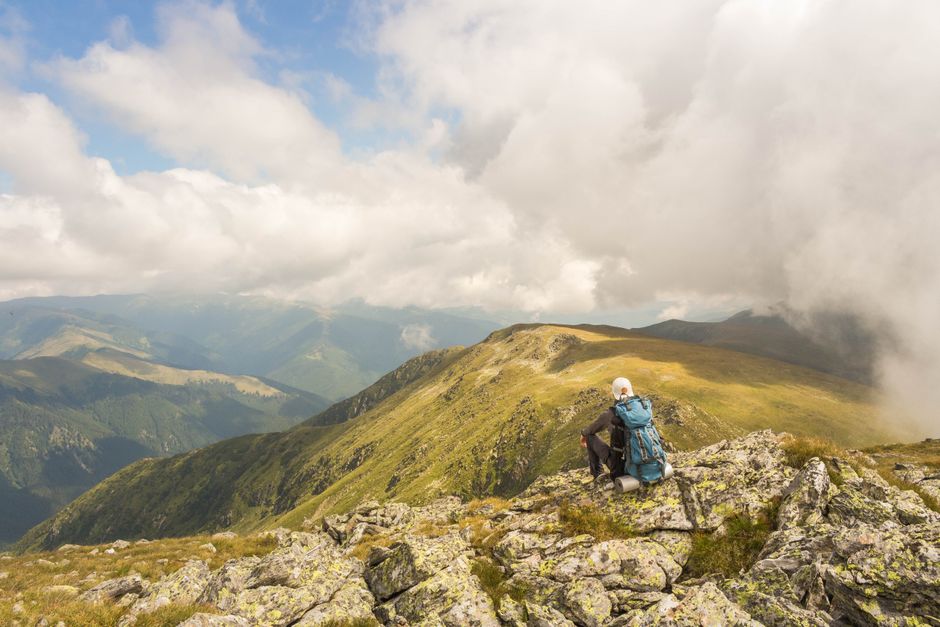
Most tours depart from Cairns or Port Douglas. Day trips cover snorkeling sites near the outer reef. For deeper exploration, consider a multi-day liveaboard trip.
Choose operators with strong environmental practices. Avoid touching coral or disturbing wildlife. Use reef-safe sunscreen to protect fragile ecosystems.
Mount Everest, Nepal-Tibet
Why It Stands Out
The highest point on Earth draws climbers and trekkers alike. Even the base camp trek offers profound mountain views and cultural encounters. The Khumbu region is shaped by Sherpa traditions and alpine environments.
Altitude presents real risks. Acute mountain sickness can affect anyone. Proper acclimatization is not optional.
How to Visit
The Everest Base Camp trek typically takes 12-14 days. You’ll walk through villages, suspension bridges, and glacial terrain. Training for extended hiking is essential.
Hiring a local guide supports the community and improves safety. Be prepared for basic teahouse accommodations. Weather can change rapidly, so pack layers.
Victoria Falls, Zambia-Zimbabwe
Why It Stands Out
Known locally as Mosi-oa-Tunya, the falls create a massive curtain of water. The spray can be seen from miles away. The surrounding national parks offer wildlife viewing beyond the falls themselves.
Water volume varies seasonally. Peak flow occurs from February to May. Drier months offer clearer views and better photography conditions.
How to Visit
Both Zambia and Zimbabwe provide access viewpoints. The Knife’s Edge Bridge on the Zambian side offers thrilling perspectives. Zimbabwe’s viewing platforms are wider and less crowded.
A helicopter tour provides a comprehensive overhead view. Book early morning flights for calmer winds. Always heed safety warnings near slippery ledges.
Iguazú Falls, Argentina-Brazil
Why It Stands Out
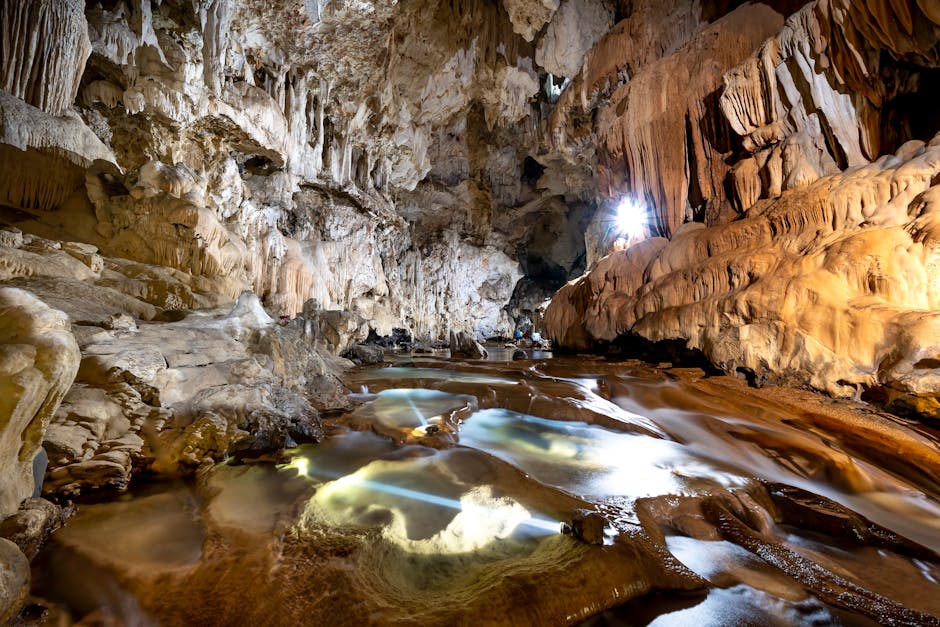
Iguazú consists of 270 individual waterfalls spanning nearly two miles. The Devil’s Throat is the most dramatic section, where water thunders into a narrow gorge. The surrounding rainforest is part of a UNESCO World Heritage site.
Rainfall patterns change the falls’ appearance regularly. Recent heavy rain means more powerful flows. Check current conditions when booking.
How to Visit
Two main trail systems exist: the Brazilian side for panoramic views and the Argentine side for closer access. Allow two full days to experience both perspectives.
Take the boat ride that goes under the falls for a thrilling soak. Bring waterproof gear. The paths are well-maintained, but wear sturdy shoes.
Ha Long Bay, Vietnam
Why It Stands Out
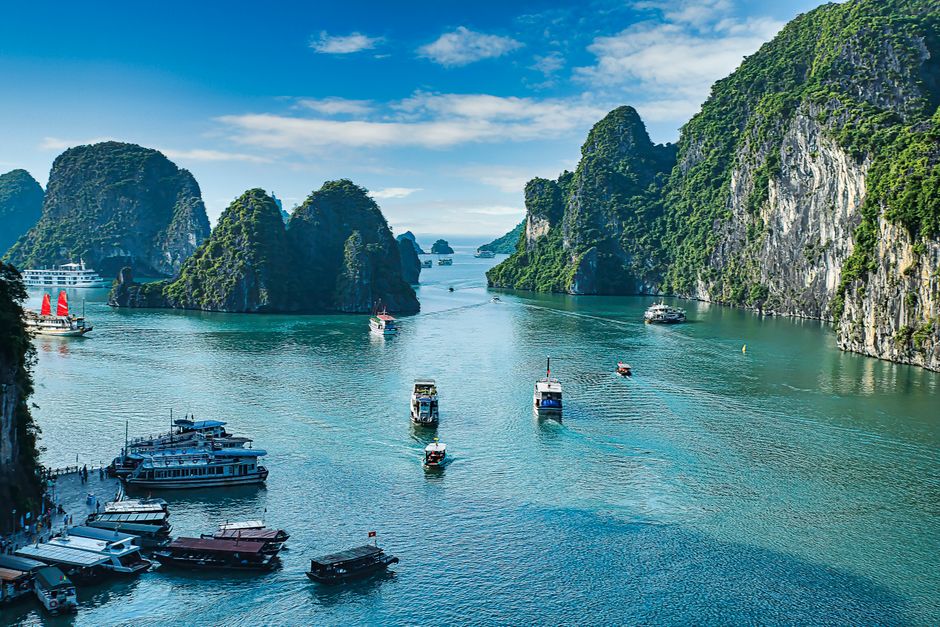
Thousands of limestone islands rise from emerald waters. The karst formations date back over 20 million years. Local fishing communities have adapted to this unique seascape for generations.
Tourism has grown significantly in recent years. Choosing a less crowded route helps preserve the bay’s tranquility and supports smaller operators.
How to Visit
Overnight cruises are the most popular way to explore. Select a boat that limits passenger numbers to avoid overcrowding. Include kayaking or swimming in your itinerary.
Be aware of weather advisories during storm season. Rescheduling is common and often necessary for safety. Pack light, quick-dry clothing.
Practical Planning Tips
Timing Your Trip
Research seasonal patterns for each destination. Weather, wildlife activity, and crowd levels vary throughout the year. Shoulder seasons often provide good conditions with fewer tourists.
Book major flights and accommodations first. Then fill in activities. Flexibility helps manage unexpected changes.
Health and Safety
Consult a travel clinic well before departure. Vaccinations and preventive medications may be required. Carry a basic first-aid kit tailored to your itinerary.
Travel insurance that covers adventure activities is wise. Medical facilities in remote areas can be limited. Know your evacuation options.
Responsible Travel
Leave no trace principles apply everywhere. Pack out all waste, stick to marked trails, and respect wildlife distances. Supporting local guides benefits the community and offers richer experiences.
Avoid purchasing souvenirs made from endangered species or coral. Ask questions about the sustainability practices of tour operators.
Frequently Asked Questions
What is the best time of year to visit the Grand Canyon?
Spring and fall offer mild temperatures and manageable crowds. Summer is hot, especially at the canyon floor. Winter brings snow and closures on the North Rim.
Do I need diving experience to see the Great Barrier Reef?
No. Many snorkeling tours require no prior experience. Shallow reef sites are accessible to beginners. For deeper dives, certification is necessary.
How difficult is the Everest Base Camp trek?
It is challenging but achievable for anyone with good fitness. Daily hiking involves 4-6 hours over varied terrain. Altitude is the primary concern, not steep climbs.