
Amazing Journeys Through Some of the World’s Finest Locations
Planning a trip often starts with a spark of inspiration from places that feel almost too perfect to exist. This guide focuses on specific journeys that stand out for their unique blend of natural beauty, culture, and accessible adventure. We will explore five distinct routes and regions, each offering a different kind of travel memory. The goal is to provide clear, practical insights for your next planning session, from mountain passes to coastal drives.
These journeys are chosen for their diversity and the tangible experiences they offer. You will find details on what makes each route special, the best times to visit, and how to approach the logistics. This is not a list of hidden secrets, but a look at proven, remarkable trips that deliver on their promise.
The Scottish North Coast 500
The North Coast 500, often called Scotland’s Route 66, winds through some of the most dramatic coastal scenery in the Highlands. The 516-mile loop starts and ends in Inverness, taking drivers past rugged cliffs, white-sand beaches, and historic castles. The route is well-signposted, but the real joy comes from the unexpected stops along the way.
Key Stops and Experiences
A must-see is the village of Ullapool, a perfect base for seafood and boat trips to the Summer Isles. The Sinclair Bay castles near the northern tip offer a glimpse into a fortified past. Driving requires patience; single-track roads with passing places are common, so expect to pull over often for oncoming traffic and photo opportunities.
Practical Tips for the Drive
Summer months, particularly June and July, offer the longest daylight hours, but this is also peak season with higher prices and more traffic. Book accommodation well in advance, especially in smaller towns like Durness. A robust vehicle is recommended, and many travelers opt for a campervan to combine transport and lodging, though traditional B&Bs and hotels are plentiful.
Japan’s Nakasendo Way
For those seeking a step back in time, the ancient Nakasendo highway connecting Kyoto and Edo (modern Tokyo) offers a preserved walking experience. The most famous section lies between the post towns of Tsumago and Magome. This journey is about quiet mountain paths, historic wooden buildings, and the rhythm of walking through a timeless landscape.
The Tsumago to Magome Walk
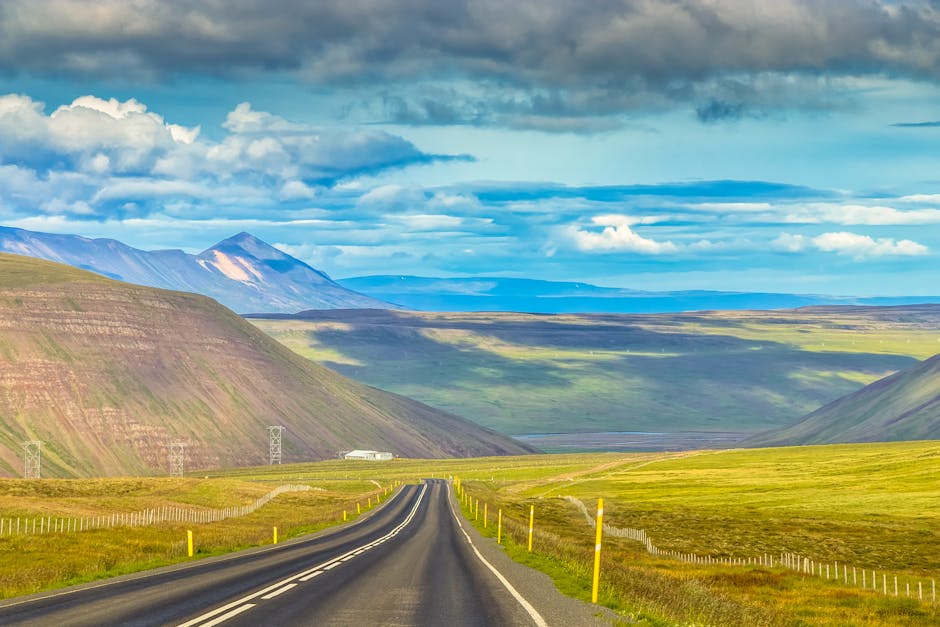
The 8-kilometer hike between these two towns is gentle and takes about two hours, passing through forests and small villages. You will see traditional Edo-period architecture and teahouses that have operated for generations. The path is well-maintained and clearly marked, making it suitable for most fitness levels.
Cultural Context and Planning
This route is part of a larger network of trails that were vital for communication and trade. Walking a section gives you a tangible sense of that history. The best seasons are spring for cherry blossoms and autumn for vibrant foliage. Local buses connect the towns, so you can walk one-way and return by transport, a popular approach for visitors.
The Amalfi Coast Drive, Italy
Driving the Amalfi Coast is a classic European road trip, celebrated for its cliff-hugging curves and pastel-colored villages. The route from Sorrento to Salerno, though only about 30 miles, requires careful navigation due to narrow roads and heavy tourist traffic. The reward is a cinematic panorama of sea, sky, and terraced lemon groves.
Navigating the Roads
The road is engineering marvel, but it can be stressful for inexperienced drivers. Hiring a local driver is a common and wise choice, allowing you to focus on the views. If you choose to drive, rent a small car and avoid high season if possible. Parking in towns like Positano and Amalfi is scarce and expensive.
Best Times to Visit and Alternatives
April-May and September-October offer pleasant weather and fewer crowds. For a more relaxed approach, consider the ferry service that links the coastal towns. This provides a different perspective of the coastline and bypasses traffic entirely. Key stops include Ravello’s gardens and the historic center of Amalfi.
The Garden Route, South Africa
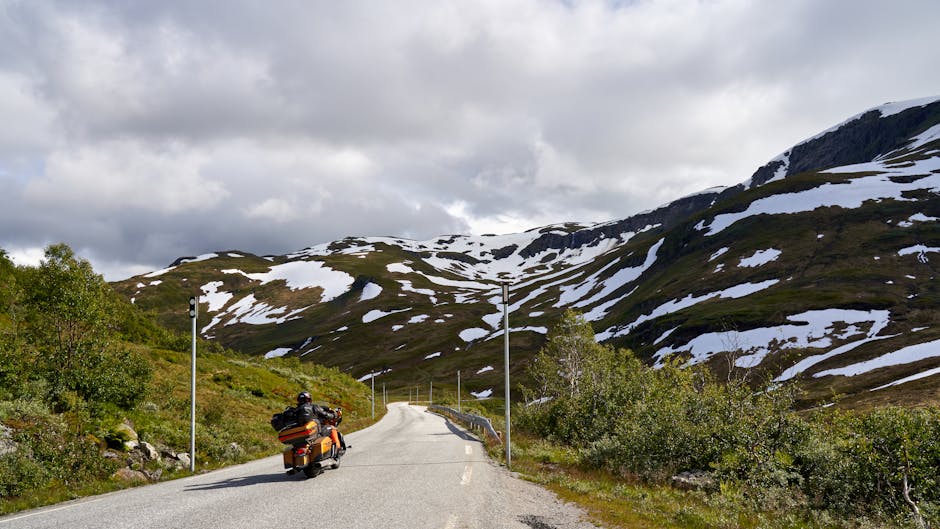
South Africa’s Garden Route is a 190-mile stretch of coastline between Mossel Bay and Storms River, known for its indigenous forests, lagoons, and adventure activities. Unlike a single highway, it’s a network of roads and detours that encourage exploration. The journey is less about distance and more about the variety of ecosystems you pass through.
Highlights Along the Route
Knysna’s lagoon and the nearby Heads are iconic, offering boat trips and fresh oysters. The Tsitsikamma section is for nature lovers, with dramatic viewpoints and canopy tours through ancient yellowwood trees. Activities range from hiking and kayaking to bungee jumping at the Bloukrans Bridge.
Travel Notes and Safety
The Garden Route is well-developed with good roads and services, making it suitable for rental cars. South Africa’s summer (December to February) can be hot, while autumn (March-May) is often ideal. Safety is generally good on the main routes, but it’s wise to lock doors and avoid isolated areas after dark, as you would in any unfamiliar region.
The Alaska Highway and Denali National Park
For a true wilderness journey, the Alaska Highway, paired with a visit to Denali National Park, delivers immense scale and solitude. Starting in Dawson Creek, British Columbia, and ending in Delta Junction, Alaska, the highway is a feat of engineering through remote boreal forest and mountain passes. Denali, North America’s highest peak, is the crown jewel of the region.
Wildlife and Scenery on the Highway
Driving the Alaska Highway means you may spot moose, bears, and caribou from your vehicle. The landscape shifts from wooded hills to vast muskeg and alpine ranges. The park road in Denali is 92 miles long and private vehicles are restricted beyond mile 15, so a guided bus tour is the main way to see the interior.
Logistics and Preparation
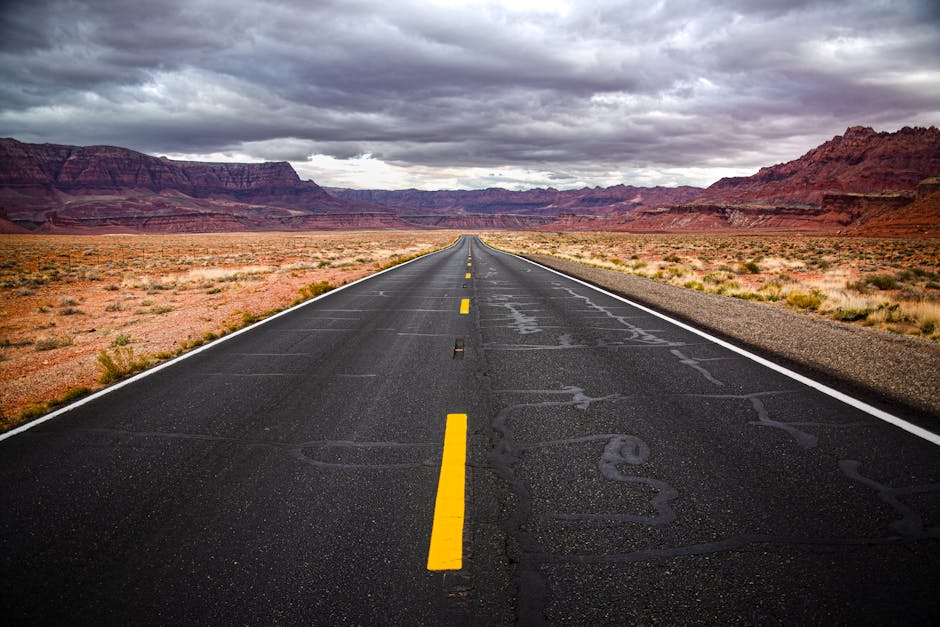
The best time is late May to early September when the park is fully accessible. Fuel stations can be far apart, so plan your stops. A permit is required for some backcountry hiking in Denali, and weather can change rapidly. This trip demands preparation, from wildlife safety to vehicle checks, but the rewards are profound.
Key Planning Takeaways for Your Journey
Choosing the right journey depends on your travel style, budget, and time. Some paths, like the Nakasendo Way, are more about immersion and walking. Others, like the Amalfi Coast, are iconic drives that can be physically demanding. Always align your choice with what you want to experience most.
Booking ahead is critical for popular locations and seasons. Flexibility can save money and reduce stress, but some experiences, like guided walks or specific accommodations, require reservations. Respect local cultures and natural environments; these places are celebrated for their preservation, which depends on visitor behavior.
Frequently Asked Questions
What is the best season for these journeys?
Seasonality varies by region. For Scotland and Japan, late spring through early autumn offers good weather. The Amalfi Coast is best in spring or fall to avoid crowds and heat. South Africa and Alaska have optimal windows in their respective summer months, though shoulder seasons can offer fewer tourists.
Are these routes suitable for families?
Yes, but with considerations. The North Coast 500 and Garden Route have many activities for children, while the Nakasendo Way requires moderate walking ability. The Amalfi Coast drives can be stressful with young kids, so ferries may be preferable. Alaska demands more preparation for wildlife safety and cold weather.
How much should I budget for a trip like this?
Budgets vary widely. Self-driving in Scotland or South Africa can be cost-effective with a rental car and campervan. Japan’s walking route is affordable for lodging and food. The Amalfi Coast and Alaska are generally more expensive due to peak demand and remote logistics. Research local costs and book key items in advance to manage expenses.