
Discover Extraordinary Travel Opportunities Around the World
Unique Travel Experiences Beyond the Ordinary
Travelers today seek more than standard vacations. They want moments that stand apart from crowded tourist paths. The search for meaningful journeys leads to unique travel opportunities that enrich personal perspectives and create lasting memories.
From remote villages to lesser-known natural wonders, the world offers countless chances to step off the familiar trail. These opportunities often come with a sense of discovery, connecting you with local cultures and untouched landscapes.
Why Seek Out-of-the-Ordinary Destinations
Standard vacations can feel predictable. Choosing less-traveled routes brings fresh experiences and often supports local communities directly. It also reduces the strain on overtourism hotspots, preserving them for future visitors.
Consider the difference between a packed beach resort and a quiet coastal village. One offers convenience, the other offers authenticity. Both have value, but the latter often leads to more personal growth and unique stories.
Lesser-Known Natural Wonders to Explore
Nature provides some of the most breathtaking travel opportunities. While famous parks draw millions, hidden gems offer solitude and raw beauty. These places often require more effort to reach, rewarding those who make the journey.
Remote Mountain Valleys and Hidden Lakes
The Himalayas contain valleys few outsiders ever visit. In Nepal, the Upper Dolpo region remains insulated from modern development. Travelers there experience traditional Tibetan culture and pristine alpine scenery without crowds.
Lakes湖区 like Lake Bohinj in Slovenia offer clear waters and forested shores without the bustle of nearby Lake Bled. Hiking trails around Bohinj provide quiet moments that feel genuinely peaceful.
Underwater Caves and Desert Oases
Mexico’s Cenotes, natural sinkholes in the Yucatán, provide swimming in crystal-clear freshwater. While some are popular, smaller cenotes remain largely unknown to foreign visitors. They offer a cooler refuge from the coastal heat.
In Oman, the Empty Quarter holds remote desert oases where water flows from ancient springs. Traveling here requires a guide and 4×4 transport, steps that protect the environment and filter out casual tourists.
Cultural Immersion in Local Communities
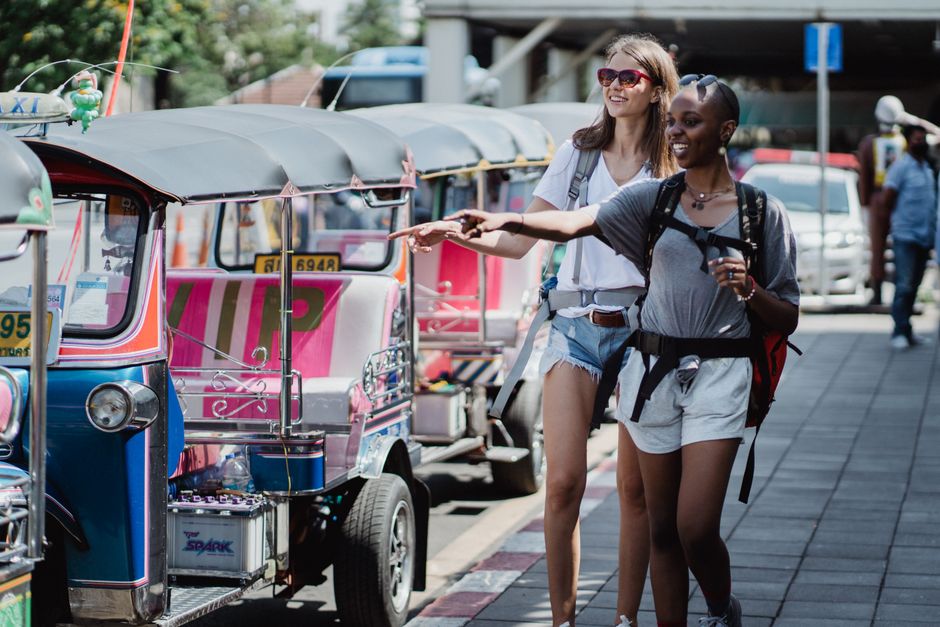
Genuine cultural travel goes beyond observing festivals. It means staying with families, sharing meals, and learning daily routines. These opportunities build understanding and often provide economic benefits to residents.
Homestays in Rural Regions
In the Philippines, homestays on Siquijor Island let visitors join local fishermen and healers. Participation in daily life, like harvesting seaweed or preparing traditional meals, creates connections that hotels cannot match.
Compare this to a resort stay. One offers service and seclusion; the other offers interaction and insight. For travelers wanting depth, the homestay provides more meaningful memories.
Learning Traditional Crafts
In Peru, communities near the Sacred Valley offer workshops where travelers learn weaving from Quechua artisans. The process involves dyeing wool with natural plants and using backstrap looms passed through generations.
These experiences take hours or days, requiring patience and respect. They are not quick activities but commitments that yield skill and appreciation for cultural heritage.
Adventure Travel That Pushes Boundaries
Some opportunities require physical effort and mental preparation. Adventure travel should be approached with clear planning and realistic expectations. Safety and proper training are non-negotiable.
Multi-Day Treks in Undeveloped Areas
The Transcaucasian Trail in Georgia and Armenia offers hiking through remote valleys and ancient villages. Unlike the popular Inca Trail, this route sees few trekkers, allowing for unpressured exploration.
Preparation involves securing permits locally, arranging support staff, and understanding weather patterns. These steps ensure you respect the regions and travel responsibly.
Wildlife Safaris in Off-Limit Parks
Rwanda’s Nyungwe Forest National Park provides chimpanzee trekking in a less-visited setting than Volcanoes National Park. The experience feels more intimate, with smaller group sizes and deeper forest immersion.

Travelers should know that wildlife viewing requires strict guidelines. Keeping distance, avoiding flash photography, and following guide instructions protect both animals and visitors.
Steps to Find and Plan Your Journey
Finding extraordinary opportunities takes research and flexibility. Start by identifying what type of experience you seek—cultural, natural, or physical—then explore regions that offer it.
Use travel forums, guidebooks focused on niche interests, and contacts who have visited recently. Be wary of overly packaged tours that promise exclusivity but deliver generic itineraries.
Research and Verify Opportunities
Look for recent traveler reviews on multiple platforms. Check dates to ensure information is current. Contact local tourism offices or community-based organizations directly for updated details on access and requirements.
Consider time of year carefully. Some remote areas are inaccessible during monsoon or winter, affecting travel plans and safety.
Budgeting for Uncommon Destinations
Hidden gems may not have established tourism infrastructure, which can increase costs for transport and guides. Allocate funds for unexpected delays or additional fees that arise from less-developed services.
Compare this to traditional destinations where prices are fixed and predictable. Planning for variability helps avoid stress and ensures a smoother experience.
Preparing for Responsible Travel
Every travel opportunity carries responsibility toward the environment and local people. Preparation involves understanding local customs, minimizing waste, and supporting ethical businesses.
Environmental Considerations
Remote areas often have fragile ecosystems. Stick to marked paths, avoid disturbing wildlife, and carry out all trash. Using reusable water bottles and filters reduces plastic waste in regions with limited recycling.

Consider carbon offset programs for flights, but choose reputable providers that fund verifiable projects.
Respecting Local Norms
Dress codes, greetings, and photography rules vary widely. Learning a few phrases in the local language shows respect. Always ask before taking photos of people, and offer fair compensation for any cultural participation.
FAQ Section
How do I find safe and authentic travel opportunities?
Seek out community-based tourism organizations and verified local guides. Read recent traveler accounts and contact tourism boards for current safety information. Avoid deals that seem unusually cheap or vague.
What budget is needed for less-traveled destinations?
Costs vary widely but often include higher transport and guide fees. Plan for 10-20% more than a typical vacation budget. Research specific country costs and look for regional travel bundles that might include multiple stops.
Can I travel responsibly as a solo traveler?
Yes. Solo travelers should join small group tours for remote areas or hire local guides. Share your itinerary with someone at home and register with your embassy if needed. Choose accommodations that employ and train local staff.
Final Takeaways for Your Journey
Extraordinary travel opportunities exist worldwide, but they require intention and preparation. By seeking lesser-known places, engaging deeply with cultures, and traveling responsibly, you can create journeys that are both rewarding and respectful.
Remember that the goal isn’t just to visit new places, but to connect with them in ways that broaden your understanding and leave positive impacts. With careful planning, you can discover trips that transform how you see the world.