
Amazing Places Around the World You Need to See at Least Once
Some destinations leave a mark that lasts a lifetime. Whether it’s the raw power of a natural wonder or the quiet beauty of an ancient city, certain places deserve a spot on your travel list. This guide highlights incredible locations across every continent, chosen for their unique character, accessibility, and the memorable experiences they offer. You’ll find a mix of iconic sites and lesser-known gems, each with practical tips to help you plan a visit that fits your style and budget. Start dreaming about the trip of a lifetime.
Iconic Wonders of Nature
These sites showcase the planet’s most dramatic landscapes. They’re protected, often crowded, and absolutely worth seeing in person.
Grand Canyon, Arizona, USA
The sheer scale of the Grand Canyon is impossible to capture in photos. Layers of rock reveal two billion years of geological history. Hike a short way below the rim to feel its immensity, or take a helicopter tour for a broader view. The South Rim offers the most services and viewpoints; the North Rim is higher, cooler, and more remote.
Plan for seasonal crowds. Visiting in spring or fall provides milder weather. Summer brings intense heat, especially below the rim. Winter offers solitude but check for road closures. Book lodging and guided tours well in advance.
Great Barrier Reef, Australia
Cairns and Port Douglas are the main gateways. Choose a certified operator to minimize environmental impact. Snorkeling trips are a great entry point; diving requires certification. Water clarity is best in the dry season (May to October).
Climate change and coral bleaching are real concerns. Visit responsibly by choosing eco-certified tours and avoiding physical contact with coral. The reef’s health varies by region and season. Research current conditions before you go.
Iguazú Falls, Argentina/Brazil
Straddling the border between Argentina and Brazil, Iguazú is a system of 275 individual waterfalls. The most famous view is the Devil’s Throat, where water thunders into a misty abyss. The Argentine side offers more close-up walking trails; the Brazilian side provides panoramic vistas.
Allow at least two full days to explore both sides. Wear waterproof gear—the spray is intense. The surrounding national parks are rich in wildlife, including coatis and toucans. Early morning visits help avoid the peak tour bus crowds.
Ancient Cities and Historic Sites
Walking through these places connects you directly to human history. Each tells a story of empire, trade, and culture.
Petra, Jordan
Known as the “Rose City,” Petra is carved directly into sandstone cliffs. The Treasury is the most famous facade, but the site covers a vast area with tombs, temples, and water channels. It’s a UNESCO World Heritage site and one of the New Seven Wonders of the World.
A single day is enough for the main trail, but two days allow deeper exploration. Start early to beat the heat and the crowds. A local guide can reveal spots most miss. Wear sturdy shoes—the terrain is uneven.
Machu Picchu, Peru
Perched high in the Andes, this 15th-century Inca citadel was hidden from the outside world for centuries. Its stonework, terraces, and astronomical alignments are engineering marvels. The site is accessed via train from Cusco or a trek on the Inca Trail.
Permits for the Inca Trail sell out months in advance. Book early. Altitude sickness can affect visitors in Cusco; acclimatize for a day or two before ascending. The dry season (April to October) offers the most reliable weather.
Rome, Italy
Rome isn’t a single site but a living museum. The Colosseum, Roman Forum, and Pantheon stand alongside Renaissance palaces and bustling piazzas. It’s also a city of practical pleasures—excellent food, walkable neighborhoods, and a lively street life.
Consider a Roma Pass for bundled entry to major sites and public transport. Many museums offer free entry on the first Sunday of the month, but expect larger crowds. A guided tour can provide context that brings the ruins to life.
Unique Cultural and Urban Experiences
These destinations offer a distinct sense of place, blending heritage with daily life.
Kyoto, Japan
Kyoto was Japan’s imperial capital for over a thousand years. It’s home to thousands of shrines, temples, and traditional gardens. The city excels in delicate arts—from tea ceremonies to kaiseki cuisine. It’s also a base for exploring the wider Kansai region.
Visit in spring for cherry blossoms or autumn for fiery foliage. Rent a bicycle to explore the flatter neighborhoods like Arashiyama. Remember that many temples have specific photography rules and entry fees. Carry cash, as some smaller sites don’t accept cards.</p.
Luang Prabang, Laos
This small city is a UNESCO World Heritage site known for its preserved French colonial architecture and Buddhist temples. The daily alms-giving ceremony at dawn is a quiet, moving ritual. The Mekong and Nam Khan rivers create a serene backdrop.
It’s a place to slow down. Spend days exploring waterfalls and night markets. The town has a gentle pace; it’s not a destination for nightlife seekers. Respect local customs, especially when visiting temples or observing religious ceremonies.
Queenstown, New Zealand
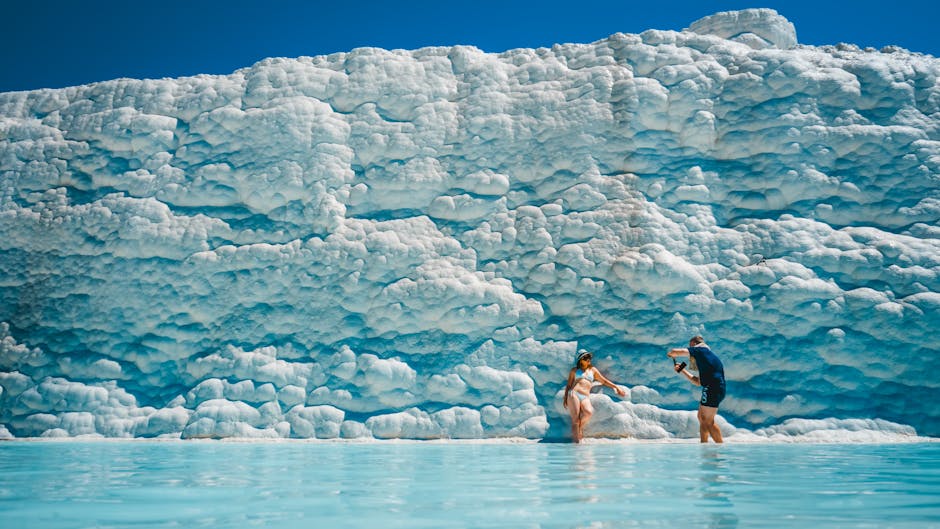
Set on Lake Wakatipu and surrounded by the Southern Alps, Queenstown is the adventure capital of New Zealand. Bungee jumping, jet boating, and hiking are popular activities. The scenery is dramatic and accessible, with trails for all fitness levels.
The town has a vibrant food and wine scene. Book accommodations early during peak ski season (June-August) or summer holidays (December-February). Weather can change quickly; pack layers regardless of the season.
Lesser-Known Gems Worth the Detour
These places offer incredible experiences with fewer tourists. They require more planning but deliver unforgettable rewards.
Faroe Islands, Denmark
This remote archipelago between Iceland and Norway is a paradise for hikers and birdwatchers. Dramatic cliffs, grass-roofed villages, and moody skies define the landscape. It’s a place where nature feels untouched and immense.
Summer offers the best weather and accessibility to highland trails. Renting a car is essential—public transport is limited. Weather can change in minutes; pack waterproof layers. The islands have a small population, so respect their quiet way of life.
Salar de Uyuni, Bolivia
The world’s largest salt flat creates a surreal, mirror-like landscape during the rainy season. In the dry season, it’s a vast hexagon of salt. Nearby, colored lagoons and flamingo reserves add to the otherworldly scenery.
Most tours depart from Uyuni town. Multi-day 4×4 trips are the standard way to explore. Altitude here is extreme; acclimatize in a lower city like Sucre or La Paz first. Bring strong sunscreen—the salt reflects intense UV rays.
Isle of Skye, Scotland
Off Scotland’s west coast, Skye is known for its rugged cliffs, fairy pools, and historic castles. The Quiraing hike offers some of the most dramatic views in the UK. The island’s changing light and weather shape every experience.
The island is small, but roads can be narrow. Booking accommodation is crucial, especially in summer. Midges (tiny biting insects) can be bothersome in calm summer evenings; pack repellent. Local seafood is a highlight—try the langoustines.
Planning Your Visit: Practical Takeaways
A little planning turns a good trip into a great one. Here are key steps to consider.
Timing and Costs
Shoulder seasons—spring and fall—often deliver the best balance of good weather, lower prices, and thinner crowds. Flights and lodging usually cost less than in peak summer or winter holidays. Set a budget that includes a buffer for unexpected experiences.
Health and Safety
Check passport validity and visa requirements well in advance. Some destinations require vaccinations. Travel insurance is non-negotiable; it covers medical emergencies, trip cancellations, and lost luggage. Share your itinerary with someone at home.
Sustainability and Respect
Choose operators with strong environmental practices. Support local businesses and artisans. Learn a few words of the local language; it builds goodwill. Follow guidelines at sensitive sites—stay on trails, don’t touch artifacts, and respect wildlife.
Frequently Asked Questions
What is the best time to visit Machu Picchu?
The dry season, from April to October, offers the most stable weather and better trail conditions. April and October are transitional months with fewer crowds.
Do I need a visa to visit Jordan for Petra?
Many nationalities can obtain a visa on arrival. Citizens of some countries can get a free entry visa with a Jordan Pass, which also includes access to Petra and other sites.
How can I travel more sustainably to these places?
Stay in locally-owned accommodations, use public transport, choose eco-certified tours, and minimize plastic use. Offset your flight’s carbon footprint through a reputable program.
Final Thoughts on Your Travel List
The world is full of amazing places to see. This list is a starting point for inspiration. Each destination offers a combination of beauty, history, and culture that stays with you long after you return. Use the practical tips to plan a thoughtful trip. Keep exploring, and let the journey shape your perspective.