
The Best Travel Spots for Adventure and Outdoor Activities
Planning your next trip around adrenaline and fresh air means world-class terrain exists at every budget. This guide highlights top destinations for hiking, climbing, paddling, and wildlife encounters. Each spot offers reliable access, clear logistics, and a range of difficulty levels. Read on for itinerary ideas, seasonal timing, and a comparison of what makes each place unique.
Why Adventure Travel Appeals to Active Explorers
Outdoor travel pushes you beyond routine scenery and into landscapes that reward effort. The best locations combine dramatic geology with established trail systems and dependable local support. You can choose a single basecamp or stitch together a longer route across regions. The following destinations cover mountains, deserts, coastlines, and forests to match different preferences.
Patagonia, Chile and Argentina
Patagonia stretches across southern Chile and Argentina, delivering some of the planet’s most striking mountain scenery. Torres del Paine National Park in Chile and Los Glaciares National Park in Argentina anchor the region with granite spires, massive glaciers, and expansive steppe. Independent hikers can tackle multi-day treks like the W or the full Circuit, while day trips reach viewpoints for those short on time.
Top Activities in Patagonia
- Long-distance trekking on waymarked trails with refugios for lodging.
- Ice hiking on Perito Moreno Glacier with crampons and guides.
- Horseback riding across open pampa with local gauchos.
- Kayaking among icebergs in lakes near El Chaltén.
Logistics and Seasonal Timing
Peak season runs mid-November through March, when daylight is long and most services operate. Shoulder months bring variable weather and fewer crowds. Book refugios and camp sites months in advance for popular circuits. Pack layers for wind and rapid weather shifts, and expect some trail closures during heavy snow or flooding.
Access and Gateway Cities
Most travelers fly into Santiago or Buenos Aires, then connect to Puerto Natales or El Calafate. Buses link towns to park entrances, while shuttles serve trailheads. Rental cars offer flexibility but are not required. Carry some cash for rural areas where card acceptance is inconsistent.
New Zealand’s South Island
New Zealand’s South Island is a compact arena of alpine peaks, fjords, and turquoise lakes. Queenstown functions as a base for bungee jumping and ski trips, while Wanaka and Mount Cook cater to hikers and climbers. The Great Walks season, spanning late October to late April, opens extensive hut networks.
Adventure Activities to Consider
- Multiday hikes like the Routeburn or Kepler tracks with hut reservations.
- Sea kayaking in Milford or Doubtful Sound among seals and dolphins.
- Rock climbing and via ferrata around Queenstown and Wanaka.
- Glacier heli-hiking on the Franz Josef and Fox glaciers.
Planning and Reservations
Great Walk huts fill quickly; book the moment reservations open for summer dates. Weather changes fast in alpine zones, so check forecasts and carry emergency gear. Driving is straightforward, but winter requires chains and careful timing. For budget stays, consider campgrounds and Department of Conservation huts.
Safety and Environmental Care
Follow Leave No Trace guidelines and respect wildlife closures. River crossings can be hazardous after rain; assess flow and turn back when needed. Tell someone your route and expected return. Use insect repellent in warmer months to manage sandflies near waterways.
Moab, Utah, United States
Moab sits between two national parks and serves as a launch point for desert adventures. Arches and Canyonlands offer iconic formations, while the nearby La Sal Mountains add elevation and cooler temperatures. Mountain bikers travel worldwide for the slickrock network and extensive singletrack.
Must-Do Outdoor Pursuits
- Biking the Slickrock Trail or the fluter Bar M loops for varied skill levels.
- Jeep or 4×4 routes on Hell’s Revenge and Poison Spider.
- River trips on the Colorado for family-friendly floats and technical rapids.
- Canyoneering in nearby canyons with a certified guide.
Best Time for Visits
Spring and fall offer the most stable conditions for hiking and biking. Summer heat requires early starts, extra water, and shaded rest breaks. Winter brings cold nights but pleasant midday temperatures. Watch for monsoon storms in late summer that can flash flood narrow canyons.
Permits and Regulations
Some areas require day-use permits or timed entry; check official park pages before visiting. Popular sites fill at sunrise, so arrive early to avoid congestion. Pack out all waste and avoid creating new social trails on fragile desert soil.
Norway’s Fjords and Mountains
Norway combines deep fjords with rugged peaks, creating endless options for hiking, kayaking, and climbing. The west coast near Bergen and Ålesund offers ferry access to villages tucked along narrow waterways. Further north, the Lofoten Islands provide dramatic seaside routes and classic scrambles.
Recommended Routes and Experiences
- Hike Trolltunga or Preikestolen for iconic viewpoint photos.
- Paddle among the fjords using local kayak rentals and guided day trips.
- Ski touring in late spring with longer daylight and stable snowpack.
- Multi-day hut-to-hut trips on marked trails with DNT markings.
Getting Around
Public ferries and buses connect many trailheads without a car. Driving offers flexibility for remote valleys, but roads can be narrow and winding. Summer is prime for hiking, while spring skiing and autumn colors bring fewer crowds. Weather can shift rapidly; carry rain gear even in fair forecasts.
Budget Tips
Buy a ferry travel card for multiple rides if you plan several trips. Cabins and huts vary in amenities, so compare options before booking. Campsites with kitchen facilities often cost less than hotels. Cooking your meals helps manage prices in high-cost areas.
Nepal’s Himalayan Trails
Nepal offers world-renowned trekking with teahouse lodging and varied difficulty. Routes like Everest Base Camp and the Annapurna Circuit pass through Sherpa villages and high passes. Shorter options, such as Poon Hill or Langtang Valley, fit tighter schedules.
What Makes Nepal Unique
- Teahouse lodging provides simple rooms and hot meals along most trails.
- Seasonal clarity in autumn and spring improves mountain views.
- Cultural immersion with monasteries, festivals, and local crafts.
- Jungle and wildlife add-ons in Chitwan and Bardia parks.
Acclimatization and Permits
Plan rest days for altitude adaptation and avoid ascending too quickly. Obtain trekking permits and TIMS cards in Kathmandu or Pokhara. Hiring a licensed guide or porter supports safety and local employment. Carry travel insurance that covers high-altitude evacuation.
Responsible Trekking
Respect local customs and dress modestly in villages. Minimize plastic waste by refilling bottles and using water filters or treatment tablets. Stick to marked paths to protect fragile alpine environments. Support teahouses and small businesses directly to benefit communities.
Canadian Rockies, Alberta and British Columbia
The Canadian Rockies deliver accessible alpine hiking, lake swimming, and wildlife viewing. Banff, Jasper, Kootenay, and Yoho National Parks form a network of trails and scenic drives. Winter brings skiing and snowshoeing, while summer opens high passes and glacier viewpoints.
Outdoor Highlights
- Multiday backpacking routes like the Skyline Trail in Jasper.
- Canoeing on tranquil lakes such as Bow Lake or Lake Louise.
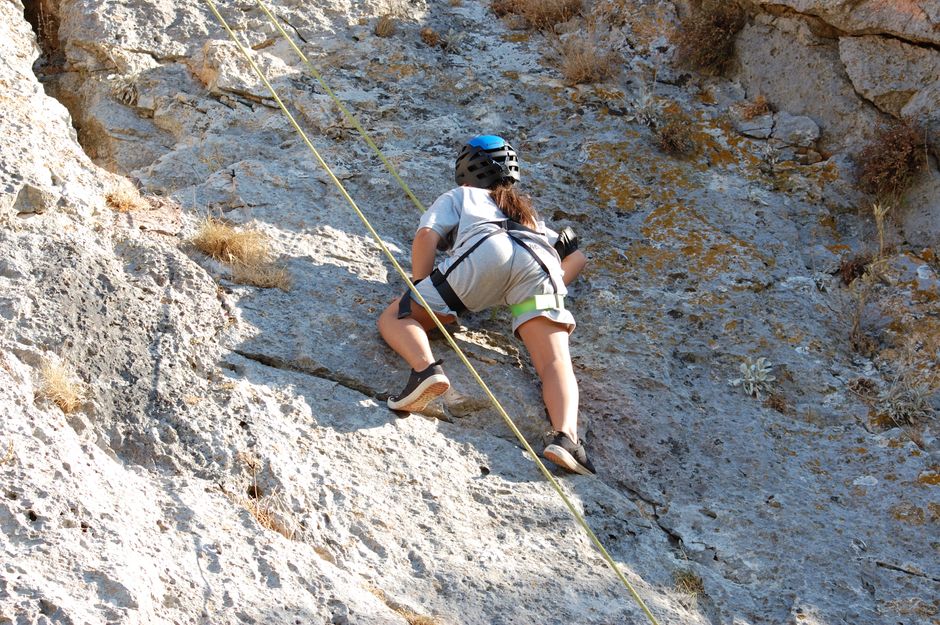
- Rock climbing in Canmore and Banff with varied grades.
- Wildlife spotting for elk, bears, and bighorn sheep.
Seasonal Considerations
Summer offers the most trail access and reliable weather. Shoulder seasons can be muddy or snowy at higher elevations. Winter requires avalanche awareness and appropriate gear for backcountry travel. Popular sites reach capacity early; arrive before sunrise or consider weekdays.
Immersion and Training
Take a wilderness first aid course before remote trips. Review bear safety protocols and carry bear spray, knowing how to use it. Use Parks Canada resources for trail conditions and closures. Practice map reading and navigation skills as cell coverage is limited.
South Africa’s Western Cape and Drakensberg
South Africa’s Western Cape pairs coastal hiking with dramatic mountain ranges. Table Mountain and Lion’s Head offer accessible day hikes near Cape Town. Further inland, the Drakensberg Escarpment features amphitheaters, basalt cliffs, and multiday treks.
Activity Ideas
- Coastal paths like the Otter Trail with lagoon and beach sections.
- Rock art sites reached via day hikes in the Drakensberg.
- Mountain biking trails in Stellenbosch and Franschhoek.
- Shark cage diving and kelp forest snorkeling near Gansbaai.
Travel Tips
Book the Otter Trail months in advance due to demand. Use local guides for longer Drakensberg routes to navigate complex terrain. A rental car simplifies access to trailheads and rural lodges. Start hikes early to avoid afternoon heat and wind.
Safety and Community
Register with park authorities when entering remote areas. Keep valuables secure and avoid hiking alone after dark. Support local guides and community-run conservancies. Respect cultural sites and obtain permission where access is restricted.
Choosing the Right Destination for Your Goals
Match destination features to your preferred activities and comfort level. Consider travel time, budget, and season when narrowing options. Compare altitude, trail difficulty, and logistical complexity for each choice. Review visa requirements and health advisories relevant to your route.
Steps to Plan
- Define your core activities and desired difficulty.
- Select a season with stable weather and open access.
- Book key permits, flights, and lodging early.
- Prepare gear and training suited to the terrain.
- Build buffer days for weather and recovery.
Warning Signs to Avoid
Be cautious of itineraries that promise extreme feats without adequate preparation. Skip routes that lack clear trail markings or local support. Avoid dry-season trips in areas prone to water scarcity or fire danger. Verify operator credentials before booking guided tours.
FAQ
What is the best season for adventure travel in Patagonia?
Mid-November to March offers the most reliable conditions for trekking and glacier activities. Plan for wind, variable temperatures, and book lodging well in advance.
Do I need a guide for hiking in Nepal?
Guides are not mandatory on all routes but are highly recommended for safety, navigation, and cultural support. They also contribute to responsible tourism and local employment.
How can I reduce impact while visiting outdoor destinations?
Follow Leave No Trace principles, stay on marked trails, and use established campsites. Support local businesses and avoid single-use plastics whenever possible.
Final Takeaways
The best travel spots for adventure and outdoor activities balance inspiring landscapes with practical access and safety. Patagonia, New Zealand’s South Island, Moab, Norway, Nepal, the Canadian Rockies, and South Africa’s Western Cape each offer distinctive experiences for different skill levels. Start with one region that matches your goals, plan logistics early, and build time for weather flexibility. With preparation, these destinations deliver memorable trips that reward effort and curiosity.