
Exploring Breathtaking Landscapes Across Multiple Continents
From the jagged peaks of Patagonia to the serene deserts of Namibia, our planet offers an incredible variety of scenery. This guide helps you discover remarkable natural sights on different continents, highlighting what makes each location unique and how to plan a visit.
We will cover key destinations, practical travel considerations, and photographic perspectives. Whether you seek towering mountains, vast plains, or coastal formations, the following sections provide a clear starting point for your travel planning.
Why Explore Landscapes Across Continents
Looking at scenery beyond your home region broadens perspective. It shows how geology, climate, and culture shape the land in different ways. Seeing these contrasts firsthand offers deeper appreciation for global natural diversity.
Traveling to multiple continents also allows you to compare seasonal patterns and environmental challenges. A trek in the Andes feels different from a walk through the Scottish Highlands. These comparisons help you appreciate each place more fully.
Cultural and Geological Insights
Landscapes often tell stories about human history. Ancient ruins sit in deserts, and traditional villages hug mountain slopes. Understanding these connections enriches your visit and supports respectful tourism.
Geologically, continents reveal Earth’s long past. Volcanic features in the Pacific contrast with glacial valleys in Europe. Learning a bit about these formations makes the scenery more meaningful.
North America: Diverse Scenery from Coast to Coast
North America presents a wide range of natural sights. The Rocky Mountains offer dramatic alpine views, while the Grand Canyon showcases layered rock formations. Coastal regions like Big Sur provide dramatic ocean cliffs.
Travelers can also explore national parks in Canada and the forests of Alaska. Each area has distinct seasons, affecting accessibility and what you will see.
Rocky Mountains and Alpine Valleys
The Rocky Mountains stretch from New Mexico to British Columbia. Popular spots include Glacier National Park and Rocky Mountain National Park. Hiking trails range from easy walks to strenuous climbs.
Summer brings wildflower meadows, while winter offers snow sports. Always check trail conditions and weather forecasts before heading out.
Desert and Canyon Formations
The American Southwest features iconic desert landscapes. The Grand Canyon, Monument Valley, and Arches National Park provide unique rock formations. Light changes throughout the day, affecting photography opportunities.
Carry plenty of water and wear sun protection. Desert environments can be harsh, especially midday.
South America: Andes, Rainforests, and Coastlines
South America holds some of the world’s most striking natural scenery. The Andes mountain range includes high peaks like Aconcagua. Amazon rainforests and Patagonian steppes offer contrasting ecosystems.
Travel here often involves longer distances. Planning for altitude changes in the Andes is important for comfort and safety.
Patagonian Wilderness
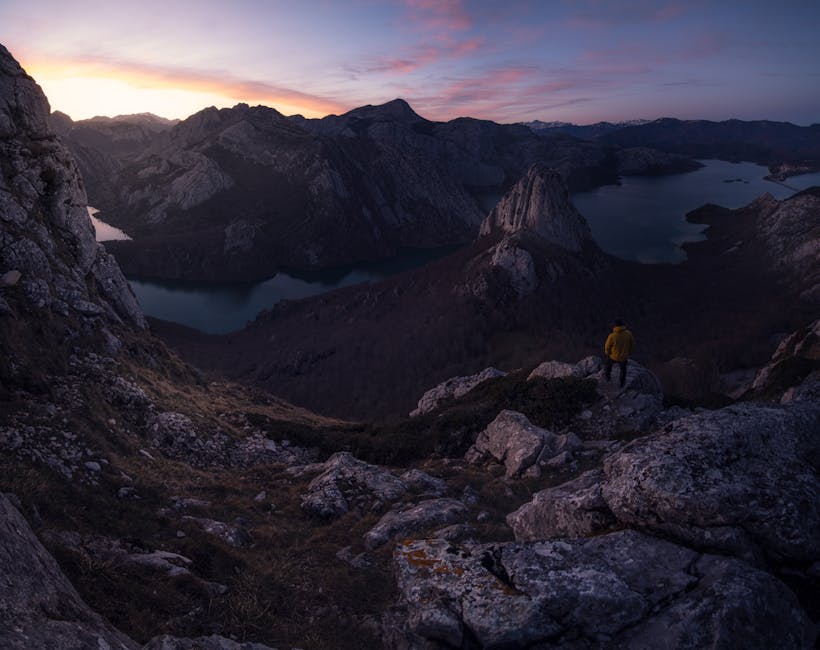
Patagonia spans Chile and Argentina. It features glaciers, granite peaks, and vast grasslands. Torres del Paine National Park is a well-known destination for trekking and photography.
Weather changes quickly. Pack layers and prepare for wind. Guided tours can help navigate remote areas safely.
Andean Peaks and Valleys
The Andes provide high-altitude landscapes with deep valleys and ancient trails. Peru’s Sacred Valley and Bolivia’s Salar de Uyuni salt flats are notable examples.
Altitude sickness can affect visitors. Acclimatize slowly, stay hydrated, and consult a doctor if needed.
Europe: Mountains, Coastlines, and Historic Landscapes
Europe combines natural beauty with cultural heritage. The Alps offer world-class hiking and skiing. Coastal regions like the Amalfi Coast or Norwegian fjords create dramatic scenery.
Many landscapes are easily accessible by train or car. Public transportation helps reduce travel stress and environmental impact.
Alpine Regions and Glacial Lakes
The Alps span eight countries. Switzerland, France, and Italy provide classic mountain views. Glacial lakes like Lake Bled in Slovenia add reflective beauty.
Summer is ideal for hiking. Winter attracts skiers and snowshoers. Check cable car schedules and trail closures.
Coastal Cliffs and Fjords
Norway’s fjords are carved by glaciers and offer deep blue waters surrounded by cliffs. The Lofoten Islands provide dramatic light conditions for photographers.
Boat tours are popular. Book in advance during peak season. Weather can change rapidly on the water.
Africa: Savannahs, Deserts, and Mountains
Africa’s landscapes range from vast savannahs to high deserts. The Serengeti and Okavango Delta offer wildlife-rich plains. The Sahara and Namib deserts provide stark, beautiful scenes.
Many areas require guided tours for safety and conservation. Respect local regulations and wildlife guidelines.
Savannahs and Wildlife Landscapes
East Africa’s savannahs are iconic for wildlife viewing. Seasonal migrations create dynamic scenes. Photography tours focus on ethical animal observation.
Travelers should prepare for dusty conditions and variable temperatures. Binoculars and a good camera lens enhance the experience.
Desert Dunes and Mountain Ranges
Namibia’s Sossusvlei features some of the tallest sand dunes. The Atlas Mountains in Morocco provide cooler, greener valleys.
Desert travel requires careful planning. 4×4 vehicles are often needed for dune areas. Nights can be cold despite daytime heat.
Asia: Vast Plateaus, Lush Forests, and Coastal Islands
Asia offers extreme variety. The Himalayas include the world’s highest peaks. Tropical rainforests in Southeast Asia contrast with arid plateaus in Central Asia.
Travel logistics vary widely. Some regions have limited infrastructure, while others are highly developed.
Himalayan Peaks and Plateaus
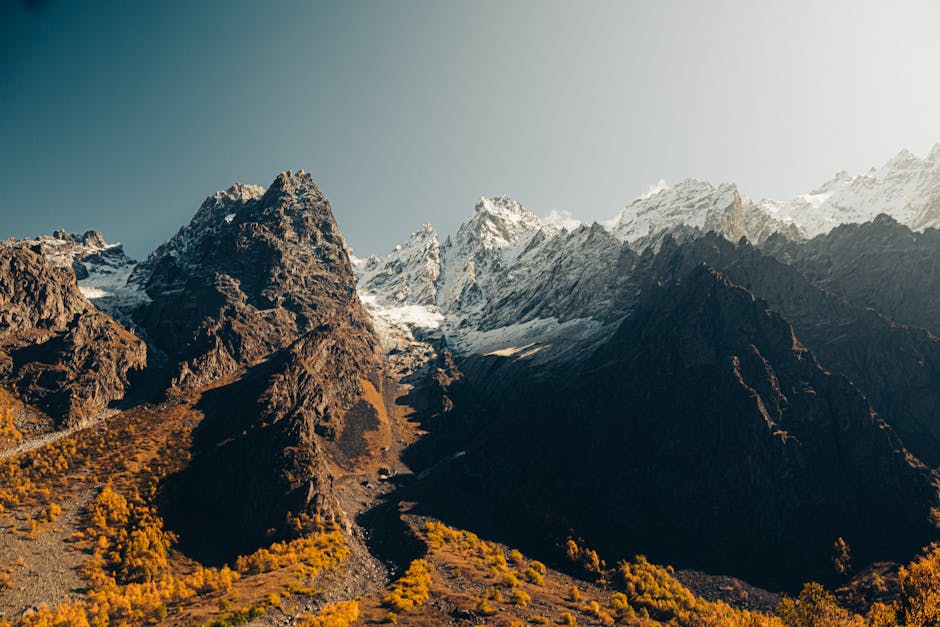
The Himalayas span Nepal, India, Bhutan, and Tibet. Base camp treks are popular but physically demanding. High-altitude plateaus like the Tibetan Plateau present unique challenges.
Permits are often required. Hiring a local guide supports communities and improves safety.
Tropical Forests and Islands
Southeast Asia includes rainforests in Borneo and islands in the Philippines. These areas host diverse plant and animal species.
Tropical travel involves humidity and rain. Lightweight clothing and insect repellent are essential. Respect conservation areas.
Oceania: Islands, Reefs, and Unique Wildlife
Oceania includes Australia, New Zealand, and many Pacific islands. Great Barrier Reef corals, New Zealand’s Southern Alps, and Australian Outback provide distinct environments.
Island travel often involves flights or ferries. Book connections early, especially during popular seasons.
Coral Reefs and Coastal Scenery
The Great Barrier Reef is visible from space. Snorkeling and diving reveal colorful marine life. Coastal reefs in Fiji and Palau offer similar experiences.
Choose eco-friendly operators. Coral is fragile; avoid touching or standing on reefs.
Outback and Mountain Landscapes
Australia’s Outback features red deserts and unique rock formations. New Zealand’s Southern Alps offer glaciers and alpine lakes.
Outback travel requires water, fuel, and navigation tools. Mountain areas need proper gear for variable weather.
Practical Tips for Multi-Continent Landscape Travel
Planning trips across continents involves logistics. Balance travel time with exploration. Allow rest days between long flights.
Budget for visas, vaccinations, and travel insurance. Some regions require specific health precautions.
Timing and Seasonal Considerations
Each continent has ideal visiting windows. Patagonia is best in summer (December–February). European Alps suit summer hiking and winter sports.
Shoulder seasons often offer fewer crowds and lower prices. Weather can be less predictable, so flexibility helps.
Photography and Packing Advice
Pack layers for changing climates. Include a good camera, extra batteries, and a sturdy tripod. Wide-angle lenses capture landscapes well.
Respect local photography rules, especially near cultural sites or wildlife. Avoid drones where restricted.
FAQ
What is the best time to explore landscapes in Patagonia?
Patagonia’s summer months, December through February, offer the most stable weather and longer daylight. Trails are open, and wildlife is active. Shoulder seasons in spring and autumn can be rewarding but expect colder temperatures and fewer services.
How should I prepare for high-altitude travel in the Andes or Himalayas?
Acclimatize slowly by spending a few days at moderate altitude before ascending. Stay hydrated, avoid alcohol, and recognize signs of altitude sickness. Consult a doctor before travel, especially if you have heart or lung conditions.
Can I visit multiple continents on a single trip without exhausting travel?
Yes, focus on regions with good flight connections and group nearby countries. For example, combine South America’s Andes with Patagonia. Allow buffer days between long-haul flights. Prioritize a few meaningful stops over rushing through many.
Traveling across continents to see breathtaking landscapes requires careful planning, but the rewards are lasting memories and a deeper understanding of Earth’s diverse beauty.