
Unique Travel Adventures That Should Be on Every Bucket List
Some trips stick with you long after you return home. These are not the usual beach resorts or city tours. They are the experiences that challenge your perspective, connect you with nature, or place you in the middle of a living culture. If you are building a list of journeys worth planning for, these unique travel adventures deserve a top spot.
From tracking wildlife in remote corners to sleeping under the aurora, each idea here offers a distinct reason to go. We cover what makes each experience stand out, practical details to consider, and how to approach planning responsibly.
Why These Adventures Stand Out
The most memorable trips often combine accessibility with a sense of discovery. They are not just about checking a box but about gaining a new understanding of a place or yourself. Below, we focus on adventures that deliver that impact without requiring extreme expertise.
Each suggestion includes realistic expectations, seasonal timing, and how to prepare. The goal is to help you choose based on your interests, budget, and travel style.
Tracking Wildlife in the Serengeti
The Serengeti National Park in Tanzania offers one of the last great wildlife migrations on Earth. Watching millions of wildebeest and zebras move across the plains is a powerful sight. It is also a lesson in ecosystem dynamics.
What to Expect on the Ground
Most visits happen during the dry season, from June to October, when animals gather near water sources. The calving season in February brings predators and newborns into sharp focus. Choose a reputable guide who follows park rules and keeps a respectful distance.
Planning and Preparation
Book lodging early, especially for peak migration months. Bring layers for cool mornings and warm afternoons. A good camera with a zoom lens helps, but do not let gear distract from the moment.
Responsible Viewing
Stick to designated tracks and never feed animals. Support local guides and community projects that protect habitats. Your presence should help conservation, not hinder it.
Sailing Through the Norwegian Fjords
Norway’s fjords carve dramatic lines into the landscape, combining sheer cliffs with quiet waterways. Traveling by small ship or ferry lets you see places inaccessible by road. The scale is humbling, and the light changes constantly.
Best Time to Go
Summer offers long daylight and milder weather. Autumn brings fewer crowds and autumn colors. Winter is stark and beautiful but requires careful planning for weather and limited daylight.
Choosing Your Route
Geirangerfjord and Nærøyfjord are UNESCO-listed and among the most scenic. Consider a loop from Bergen to include multiple fjords. A local guide can point out hidden coves and hiking trails.
Practical Tips
Pack waterproof clothing even in summer. Motion sickness medication is useful on smaller boats. Respect private property and stay on marked paths when hiking.
Trekking to Machu Picchu via the Salkantay Route
Most travelers take the classic Inca Trail, but the Salkantay Trek offers a different experience. It passes high mountain passes, cloud forests, and ends at the famous ruins. The journey is as meaningful as the destination.
Route Highlights
The trek includes Salkantay Pass at over 15,000 feet, with views of snow-capped peaks. You descend into lush valleys where orchids and birds thrive. The final approach to Machu Picchu is through the Sun Gate at sunrise.
Fitness and Altitude
Basic fitness is needed, but no technical climbing. Spend a few days in Cusco to acclimate. Drink water, avoid alcohol, and eat light meals at higher elevations.
Booking and Permits
Permits are required for Machu Picchu entry. Book through a licensed tour operator or the official ticket website. Choose a group size that matches your comfort with crowds and support.
Exploring the Temples of Angkor Wat at Dawn
Arriving at Angkor Wat before sunrise is a traveler classic for a reason. The silhouette of the temple against the early sky is unforgettable. It also sets a calm tone for a day of exploring ancient Khmer architecture.
Timing Your Visit
Enter the main temple complex about 45 minutes before sunrise. Bring a flashlight for the walk and a light jacket. Afterward, move to Ta Prohm and Bayon to avoid later crowds.
Cultural Respect
Dress modestly with shoulders and knees covered. Do not touch carvings or climb on structures. Hire a local guide to learn the history and context of the sites.
Logistics
Purchase a multi-day pass if you plan to explore beyond one morning. Tuk-tuks and drivers are easy to find, but confirm prices upfront. Carry cash for entry fees and tips.
Northern Lights in Finnish Lapland
Seeing the aurora borealis is a bucket list item for many. Finnish Lapland offers dark skies, comfortable glass igloos, and a chance to learn about Sámi culture. The experience is both scientific and spiritual.
When and Where to Go
The best months are from late September to March. Choose a location away from city lights for clearer visibility. Rovaniemi and Saariselkä are popular bases with good infrastructure.
Chasing the Lights
There is no guarantee, but patience pays off. Dress in layers, bring a tripod for photos, and consider a guided night tour. Local experts read weather and solar activity patterns.
Adding Daytime Activities
Combine the aurora search with husky sledding, snowshoeing, or a reindeer farm visit. Many lodges offer winter gear rentals. This keeps the trip engaging even if the skies are cloudy.
Crossing the Atacama Desert in Chile
The Atacama is the driest non-polar desert on Earth. Its landscapes include salt flats, geysers, and high-altitude lagoons. Clear skies make it a prime spot for stargazing.
Key Sites to Include
Valle de la Luna, the Tatio Geysers, and Laguna Cejar are must-sees. Each offers a different texture and color palette. Plan for early mornings to avoid heat and crowds.
Altitude and Comfort
San Pedro de Atacama sits at about 7,900 feet. Slow down the first day, stay hydrated, and avoid heavy meals. Sunscreen and hats are essential due to intense UV exposure.
Sustainable Choices
Stick to marked paths on salt flats to protect fragile crusts. Choose operators that reduce vehicle emissions and manage waste. Your visit should help preserve this otherworldly place.
Sailing the Galápagos Islands
The Galápagos offer a front-row seat to evolution. Giant tortoises, marine iguanas, and blue-footed boobies live with little fear of humans. A small-ship cruise is one of the best ways to see the islands.
Cruise vs. Land-Based
Cruises cover more islands and include naturalist guides. Land-based trips allow more time on individual islands and can be more budget-friendly. Both require careful planning due to strict park rules.
Choosing an Itinerary
Focus on eastern islands for wildlife diversity or western islands for unique landscapes. Shorter itineraries work well for first-timers. Check the ship’s environmental practices and group size.
Rules and Respect
Do not touch animals or feed them. Stay on marked paths and follow guide instructions. The islands rely on visitor fees and responsible tourism to fund conservation.
Driving Iceland’s Ring Road
The Ring Road circles Iceland, linking glaciers, waterfalls, volcanic fields, and coastal villages. Self-driving gives you control over pace and stops. The landscape changes every few hours.
Route and Timing
A 10-day trip allows for a relaxed pace with time for hikes and detours. Summer offers 24-hour daylight; winter requires caution for weather and road closures. Always check road.is and safetravel.is.
Vehicle and Safety
Choose a sturdy vehicle with insurance for gravel roads. Carry a spare tire and emergency kit. Respect speed limits and never stop in the middle of the road for photos.
Sustainable Travel
Stay on marked paths, do not drive off-road, and take all waste with you. Avoid hot spring pools unless they are officially open. Support local farms and guesthouses along the route.
Visiting the Temples of Bagan in Myanmar
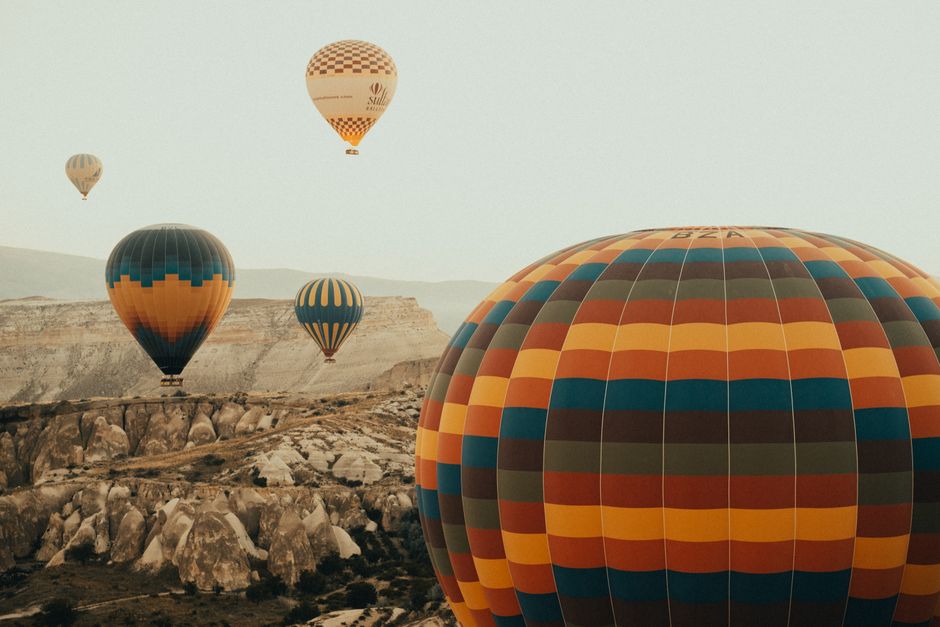
Bagan’s plain is dotted with thousands of temples and pagodas, built between the 11th and 13th centuries. A hot-air balloon ride at dawn offers a breathtaking perspective. On the ground, you can explore quietly and meet local artisans.
Responsible Visits
Recent rules limit climbing on temples. Respect these to protect the structures. Hire a licensed guide to learn the history and support the community.
Practical Advice
Visit during the dry season from November to February. Bring a bicycle or e-bike to cover ground between temples. Carry water and sun protection under the strong sun.
FAQ
What is the best time of year for these unique travel adventures?
Timing depends on the destination. Wildlife migrations, northern lights, and fjord seasons vary widely. Check regional climate guides and book early for peak periods.
How can I travel responsibly on these trips?
Follow local rules, choose licensed operators, respect wildlife, and support community projects. Carry reusable items and minimize waste. Travel slowly to reduce your footprint.
Are these adventures suitable for first-time travelers?
Many are beginner-friendly with proper planning. Start with one or two that match your interests and fitness level. Use guides and read recent traveler reports for current conditions.
Ready to Plan Your Trip
These unique travel adventures offer more than photos. They provide a chance to learn, connect, and see the world in a different light. Pick one that speaks to you, research the details, and take the first step toward making it real.