
Must Visit Travel Destinations for an Extraordinary Journey
Planning your next big trip means choosing places that offer more than a standard vacation. The right destination can reshape your perspective, challenge your comfort zone, and create stories you will share for years. This guide highlights specific locations that deliver that kind of experience, moving beyond typical tourist lists to focus on genuine adventure and cultural depth.
We have selected these spots based on their unique character, accessibility, and the transformative potential they hold for travelers. Whether you seek solitude in nature or vibrant city life, each suggestion comes with practical advice to help you plan effectively.
Why Choose Locations That Offer More Than a Postcard View
A true journey engages all your senses and pushes you to see the world differently. It is not just about checking off a landmark; it is about the feeling you carry home. Some places challenge you physically, others open your mind to new customs and histories. The destinations that follow fit this pattern, offering layers of experience that unfold the longer you stay.
Think about what you remember most from past trips. Often, it is a small moment—a conversation with a local, a surprising landscape, or a meal that did not look like anything you knew. The places listed here foster those exact encounters.
High-Altitude Culture and Ancient Paths in Peru
Peru offers a remarkable blend of living culture and dramatic landscapes. The Sacred Valley is a gateway not just to Machu Picchu, but to communities that have preserved traditions for centuries. Spending a few days here before hiking helps with acclimatization and provides a deeper context for what you will see later.
For an extraordinary journey, consider taking the less-traveled Salkantay Trek. It is physically demanding but rewards you with stunning glacial lakes and fewer crowds than the classic Inca Trail. This route requires booking with a licensed operator and preparing for variable weather, from intense sun to cold nights.
Practical Steps for a Sacred Valley Stay
- Stay in a village like Ollantaytambo or Pisac for at least two nights.
- Visit a local market early in the morning to see daily trade.
- Learn a few phrases in Quechua; a simple greeting goes a long way.
Do not rush through the valley to just catch a train to Machu Picchu. The area’s power is in its slow rhythm. A warning: altitude sickness is real. Hydrate well, avoid heavy meals initially, and listen to your body.
The Wild Coast of Norway for Fjord Exploration
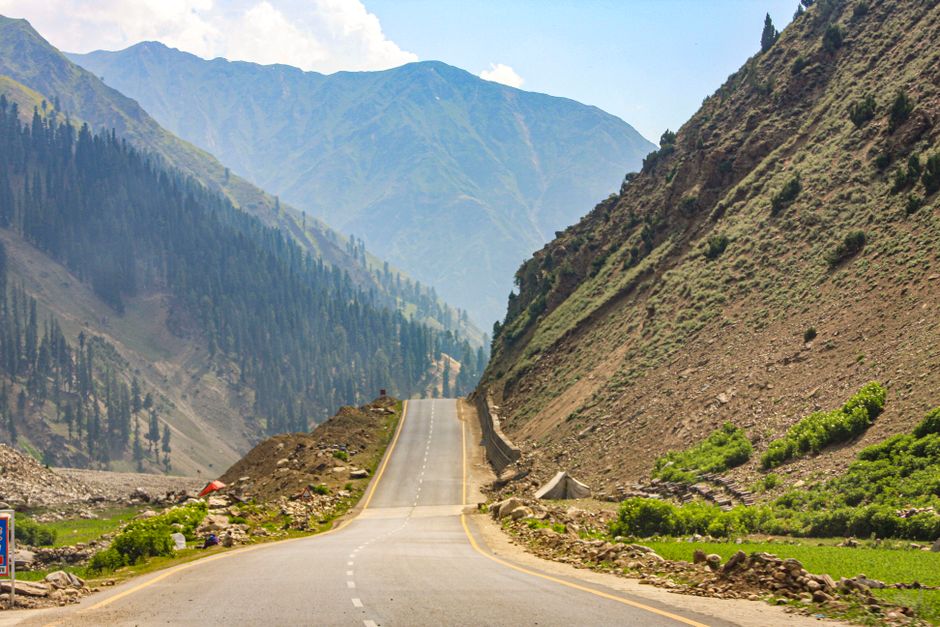
Norway’s western coastline is a study in scale and silence. The fjords, carved by glaciers, create a landscape of towering cliffs and deep blue waters. While many travelers stick to the famous Geirangerfjord, the quieter fjords like Sognefjord or Hardangerfjord provide a more intimate experience, especially if you travel by small boat or ferry.
An extraordinary journey here involves active participation. Kayaking between steep walls or hiking a trail like Trolltunga places you directly in the environment. Summer offers long daylight hours, but shoulder seasons like late spring can mean fewer people and dramatic light.
Choosing Your Fjord Adventure
Compare a ferry cruise with a guided kayak tour. A ferry is efficient and scenic, perfect for those with limited time. A kayak trip demands physical effort and a guide for safety, but it offers a silence and perspective you cannot get from a larger vessel. Book kayak guides in advance during peak summer.
Take the time to walk between small villages along the water’s edge. You will encounter local farms and likely get an invitation for a coffee. This is where the real connection happens, far from the main tour bus stops.
Family-Run Wines in the Camino de Santiago, Spain
Walking the Camino de Santiago is a pilgrimage, but you do not need to be religious to find it transformative. The route through northern Spain’s green hills and vineyards is about simplicity and reflection. The landscape changes daily, and the camaraderie among fellow walkers is unique.
For an extraordinary twist, focus on the Camino del Norte along the coast. The food here is exceptional, with a focus on fresh seafood and cider houses. In the Rioja region, you can detour to visit small, family-run bodegas that welcome visitors for informal tastings. This is not about luxury; it is about authenticity and tradition passed down through generations.
Getting Started on the Camino
Start with a shorter segment, like the 120km from Sarria to Santiago, to test your interest and ability. The path is well-marked and has regular albergues (pilgrim hostels) for accommodation. Pack light, prioritize comfortable shoes, and carry a shell (the Camino symbol) to show you are a pilgrim. The biggest surprise for many is the mental shift that happens after a few days of walking without distraction.
Wildlife and Vast Deserts in Namibia
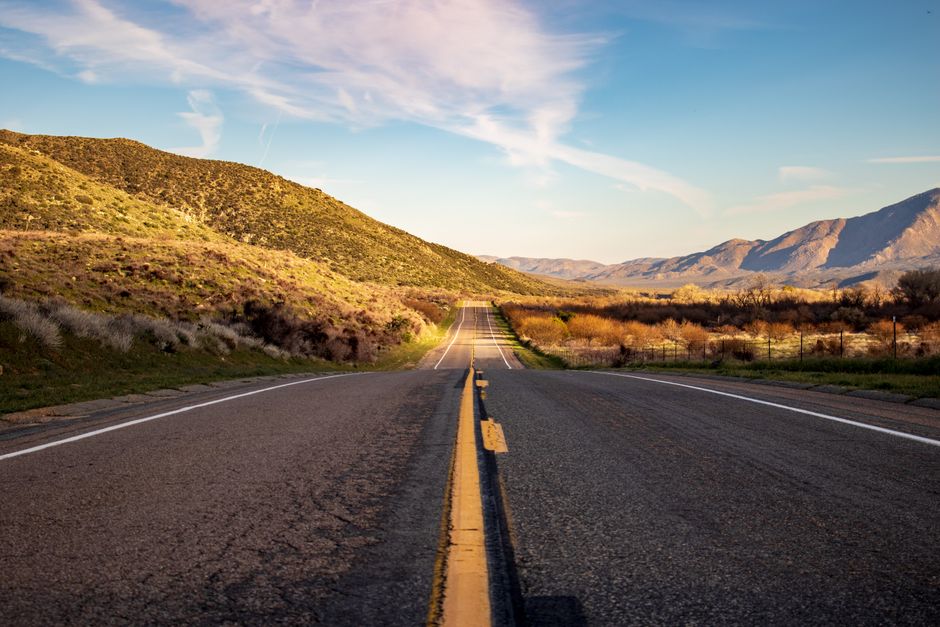
Namibia is a place of extremes, where desert meets coast and wildlife roams freely. A self-drive safari here is a powerful way to experience the country at your own pace. The Skeleton Coast is haunting and beautiful, with shipwrecks and fog-shrouded dunes, while Etosha National Park offers incredible game viewing at waterholes.
For something truly unforgettable, head to the NamibRand Nature Reserve. The night sky here is designated a Dark Sky Reserve, offering some of the clearest stargazing on Earth. This is not a passive activity; lying on a blanket under the Milky Way is a profound experience that reorders your sense of scale.
Self-Drive Safari Considerations
Compare self-driving with guided tours. Self-driving offers freedom and can be more private, but it requires confidence in handling 4×4 vehicles on rough roads. Guided tours provide local expertise, especially for tracking animals and understanding ecology. For safety and vehicle reliability, rent from a reputable company and always have contingency water and fuel supplies.
Warning: distances in Namibia are vast. Plan your driving segments realistically. A common mistake is trying to see too much in too little time, which leads to fatigue and missed moments.
Contrast and History in Vietnam
Vietnam presents a compelling mix of bustling cities, serene natural beauty, and complex history. A journey here is often defined by movement—train rides through the countryside, bicycle explorations in small towns, and boat trips on inland waters. The contrast between old-world Hanoi and the energy of Ho Chi Minh City is striking.
To move beyond the surface, spend time in the Mekong Delta. The floating markets and stilt villages show a way of life adapted to water. For a quieter contrast, the nearby Con Dao Islands offer pristine beaches and a somber history at a former prison, now a site for reflection.
A Responsible Travel Approach
When visiting places like the Cu Chi Tunnels or the War Remnants Museum, go with a respectful mindset. These are sites of real trauma and should not be treated as mere attractions. Choose guides who can articulate the historical context with sensitivity. Supporting local businesses and avoiding single-use plastics are simple but impactful practices.
Glass-Water Lagoons and Glaciers in Iceland
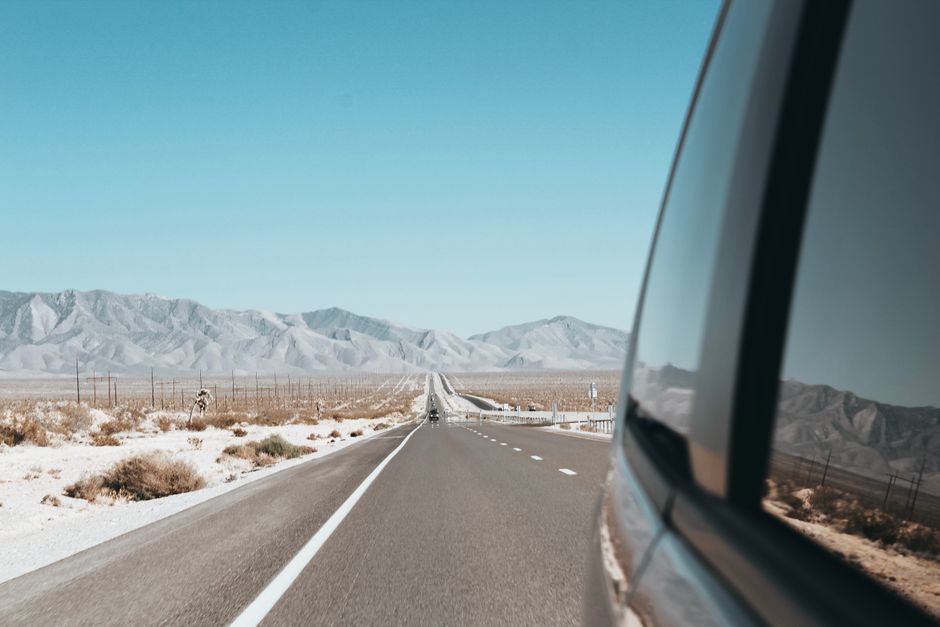
Iceland’s landscapes feel otherworldly, with volcanic fields, powerful waterfalls, and geothermal springs. The country’s compact size makes it ideal for a road trip, allowing you to see diverse environments in a short time. The South Coast, with its black sand beaches and glacier lagoons, is particularly dramatic.
For an extraordinary journey, go beyond the main Ring Road. The Westfjords are less visited and offer rugged beauty and remote bird cliffs. Visiting in winter brings the northern lights, but summer grants midnight sun, allowing for hiking at any hour. Each season offers a completely different experience.
Driving and Weather Reality Check
Climate in Iceland is highly changeable. You can experience four seasons in a single day. Always check road.is for conditions and never rush on icy roads. The power of the landscape is undermined if you do not respect its volatility. Pack layers, waterproof gear, and be flexible with your itinerary.
FAQ Section
What is the best time of year to visit these destinations?
Timing depends on your goal. For Peru and Vietnam, dry seasons offer more stable weather. Norway and Iceland are best in summer for accessibility, though winter has its own magic. Namibia is great in its cool, dry winter months (May to October) for wildlife viewing.
How can I make an extraordinary journey on a reasonable budget?
Focus on local experiences over luxury tours. Walking or cycling instead of using a car saves money and increases connection. Eat where locals eat, stay in guesthouses, and travel during shoulder seasons. Prioritize one or two key activities over a packed schedule.
What should I pack for these varied destinations?
A versatile layering system is key for most locations. Include a quality waterproof jacket, comfortable walking shoes, and a daypack. For places like Namibia or Peru, sun protection and a reusable water bottle are essential. Always check specific packing lists for your chosen destination to avoid overpacking.