
Exploring Historic Destinations With Incredible Stories to Tell
Travel today often seeks more than just pretty scenery or a relaxing break. Many of us want to connect with the past in a way that feels immediate and alive. That’s the pull of historic destinations where the architecture, the streets, and the very air seem to hold echoes of the lives lived there. This guide is for travelers who want to go beyond a quick photo stop and understand the layers of meaning that make a place truly memorable.
When we explore historic sites, we’re not just looking at old stones or faded documents. We are engaging with the human experiences that defined those places—the triumphs, the conflicts, the daily routines. This approach turns a simple visit into a richer, more personal journey. It helps you choose which locations will resonate most and how to experience them in a way that feels authentic and insightful.
What Makes a Historic Destination Worth Visiting?
Not every old site tells a compelling story. The best ones combine preservation with narrative. You need a place that has been maintained well enough to walk through, but also has interpreters, exhibits, or guides that bring the context to life. Think of the difference between a crumbling, unmarked ruin and a well-documented battlefield where trails and signs explain each moment.
Consider accessibility and depth. A location that is easy to reach but oversaturated with tourists might dilute the experience. On the other hand, a remote site with limited visitor numbers can offer quiet contemplation. The sweet spot often involves planning—knowing the best times to visit and what specific stories or events to focus on.
Key Factors in Choosing Your Destination
Start with your personal interests. Are you drawn to maritime history, ancient civilizations, or more recent industrial heritage? This focus will guide you to places that naturally engage you. For example, someone fascinated by the Silk Road might prioritize Central Asian caravanserais over European castles.
Look for layered storytelling. The best sites present multiple perspectives. A colonial-era fort, for instance, should acknowledge the perspectives of both the colonizers and the indigenous people. This complexity adds depth and reflects a more honest historical approach.
Check for practical support. Reliable information, clear signage, and knowledgeable guides are signs of a well-curated experience. Avoid places that seem neglected or where the primary focus is commercialized gift shops over actual history.
Iconic Historic Destinations with Deep Narratives
Several places stand out for their powerful stories and well-preserved settings. These examples illustrate how history can be both grand and intimately personal.
Pompeii, Italy
The quick burial by volcanic ash in 79 AD froze a Roman city in time. Walking its streets, you see bakeries, homes, and public baths with startling clarity. But the real story isn’t just the eruption; it’s the daily life revealed—political graffiti, carbonized bread loaves, and the layout of a society that valued public space.
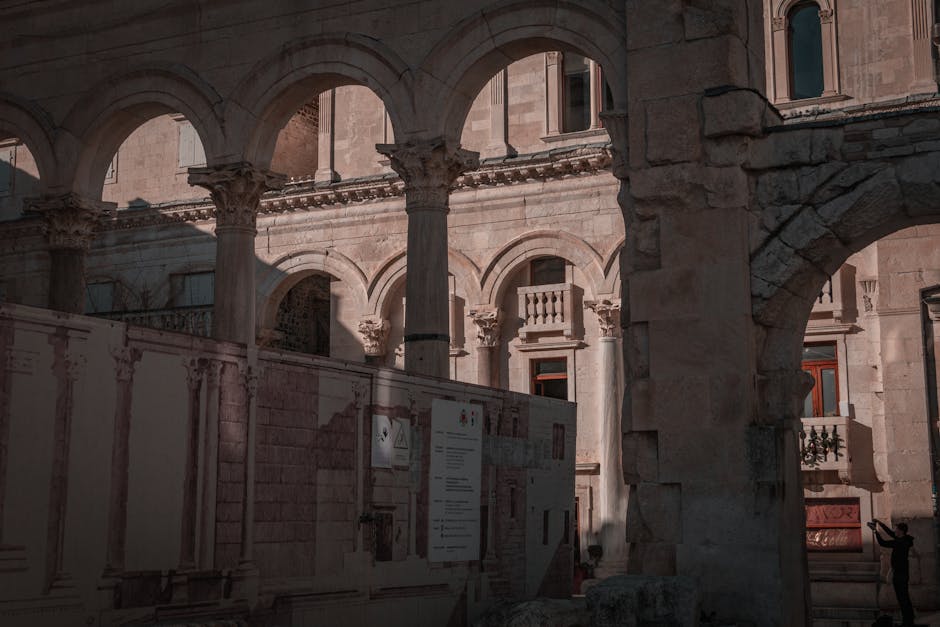
Compare a standard tour to a guided walk focused on social history. The latter might explain how the city’s water system reflected engineering and class divisions. This shift turns a visit from spectacle to study.
Machu Picchu, Peru
This 15th-century Inca citadel is often viewed as a mysterious “lost city.” The story, however, is one of intentional design and adaptation. The structures align with astronomical events, and the agricultural terraces show sophisticated knowledge of the mountain environment. It’s a testament to engineering and spiritual connection.
A common mistake is rushing through on a day trip from Cusco. The site deserves at least one overnight stay nearby. The early morning light, before large crowds arrive, offers a more contemplative experience that matches the site’s serene past.
Angkor Wat, Cambodia
Originally a Hindu temple and later a Buddhist site, Angkor Wat represents the peak of the Khmer Empire. The massive scale and intricate bas-reliefs are overwhelming, but the story is also one of transformation and resilience. The jungle reclaiming parts of the complex adds a layer of narrative about impermanence.
Compare a rushed itinerary trying to see all major temples in two days to a slower pace over four or five. The latter allows time to appreciate the subtle differences in architecture and symbolism at Ta Prohm versus Bayon.
Kyoto’s Historic Districts, Japan
Kyoto offers a different kind of historic depth. Unlike a single site, it’s a city where entire neighborhoods preserve traditional aesthetics. The Gion district, with its wooden machiya houses, tells the story of geisha culture and Edo-period urban life. The preserved streets feel lived-in, not staged.
Take a walking tour that explains the rules of etiquette in public spaces or the seasonal rituals. This context transforms a simple stroll into an understanding of cultural continuity.
How to Plan Your Visit for Maximum Insight
Preparation turns a casual trip into a focused exploration. Start with research, but avoid overwhelming yourself with details. Pick one or two key themes or events to learn about beforehand. This gives you a framework for what to look for on-site.
Book tickets and tours in advance, especially for popular locations. This isn’t just about avoiding lines—it’s about securing spots with specialized guides who can offer deeper commentary. Read reviews that mention the quality of historical interpretation.
Creating a Focused Itinerary
Group destinations by theme or region to reduce travel fatigue. For example, a trip through the American Southwest might connect Indigenous sites, Spanish missions, and pioneer towns. This reveals how different cultures layered their stories onto the same land.
Build in buffer time. Historic sites often have unexpected aspects that captivate visitors. Leaving an afternoon free can allow for spontaneous discoveries, like a local museum or a conversation with a guide.
Using Modern Tools Wisely
Audio guides and apps can supplement your experience, but over-reliance on a screen can separate you from the physical place. Use them for context on specific exhibits, then put them away to absorb the atmosphere.
Consider augmented reality overlays at some modern historical sites. These can visualize how ruins once looked, but use them sparingly. The power of a historic destination often lies in its present state and what you infer from it.
Connecting with Local Stories and Communities
The most memorable experiences often come from interactions beyond official tours. Seek out local historians, community-run museums, or family-owned businesses in historic areas. They keep the stories alive through oral traditions and personal anecdotes.
Attend local festivals or events tied to historical anniversaries. These aren’t just performances; they’re living history. For example, the annual commemoration of a town’s founding can include reenactments and talks that you won’t find in guidebooks.
Questions to Ask Guides
Prepare a few open-ended questions. Instead of “What happened here?” ask “How did the people who lived here adapt to the major events?” or “What aspects of this site are often overlooked?” This prompts more thoughtful answers.

Be mindful of sensitive histories. Some sites, like colonial outposts or former conflict zones, require a respectful approach. Listen more than you speak, and recognize that some stories may not be yours to tell.
Responsible Tourism at Historic Sites
Preservation is a shared responsibility. Follow all posted rules, such as not touching ancient walls or staying on marked paths. Each visitor’s actions contribute to the site’s longevity for future generations.
Support local economies. Choose accommodations and restaurants that are locally owned. This ensures that the community benefits directly from tourism, which in turn helps fund preservation efforts.
Avoiding Common Pitfalls
Don’t treat historic sites as backdrops for social media. Over-posing or moving barriers for a photo can damage fragile structures. Focus on observation and reflection rather than just capturing images.
Be wary of overly commercialized experiences. If a site feels more like a theme park than a historic place, with costumed actors and staged shows, it may lack authenticity. Balance entertainment with education.
FAQ: Common Questions About Exploring Historic Sites
What is the best time of year to visit popular historic destinations?
The ideal time depends on the location’s climate and tourist seasons. For Mediterranean sites like Pompeii, spring and fall offer mild weather and fewer crowds. For Southeast Asian locations like Angkor Wat, the dry season from November to February is most comfortable. Always check local holidays and school vacation periods to avoid peak congestion.
How can I ensure the historic sites I visit are authentic and not overly commercialized?
Research is key. Look for sites managed by reputable organizations, such as national parks services or UNESCO, which often prioritize preservation over profit. Read recent traveler reviews focusing on the historical content quality. When in doubt, opt for smaller, community-focused museums or tours.
Are guided tours necessary for a meaningful historic site experience?
Not always, but they often add significant value. A good guide provides context, stories, and insights that you might miss on your own. However, if you prefer independent exploration, prepare by reading reputable sources and using official audio guides. The best choice depends on your learning style and the site’s complexity.