
Exploring Extraordinary Places With Rich Culture and Heritage
Travelers seeking more than just scenic views often look for destinations where history feels alive. These places offer a deep connection to human stories, traditions, and artistry passed down through generations. Finding locations that balance authentic cultural immersion with genuine heritage can transform a simple trip into a meaningful journey.
This guide highlights specific destinations where culture and heritage are not just preserved but actively lived. It provides practical advice for visiting these areas respectfully and helps you plan a trip that goes beyond typical tourist trails.
What Defines a Culturally Rich Destination?
A truly rich destination isn’t just old; it’s layered. You can see the influence of different eras in the architecture, taste it in the local cuisine, and hear it in the music and stories shared by residents. The key is a sense of continuity, where the past informs the present in a visible way.
Living Traditions vs. Preserved Ruins
Some places excel at maintaining historical sites, like ancient ruins or colonial buildings. Others are notable for keeping traditions alive—festivals, crafts, and daily rituals that have endured for centuries. The most compelling locations often combine both. For example, a city might have meticulously restored temples where ceremonies still take place regularly.
Destinations Where Heritage is a Daily Practice
These examples show how culture isn’t confined to museums. It’s part of the fabric of everyday life, offering visitors a chance to witness it firsthand.
Luang Prabang, Laos
This UNESCO World Heritage city wakes each morning to the quiet rhythm of Buddhist almsgiving. Monks in saffron robes collect offerings from residents, a ceremony that has occurred for hundreds of years. Beyond this, the town is a blend of French colonial villas and traditional Lao wooden houses. You can explore ornate temples, visit night markets filled with local crafts, and take a cooking class to learn about the region’s distinct flavors, which rely on fresh herbs and river fish.
Fez, Morocco
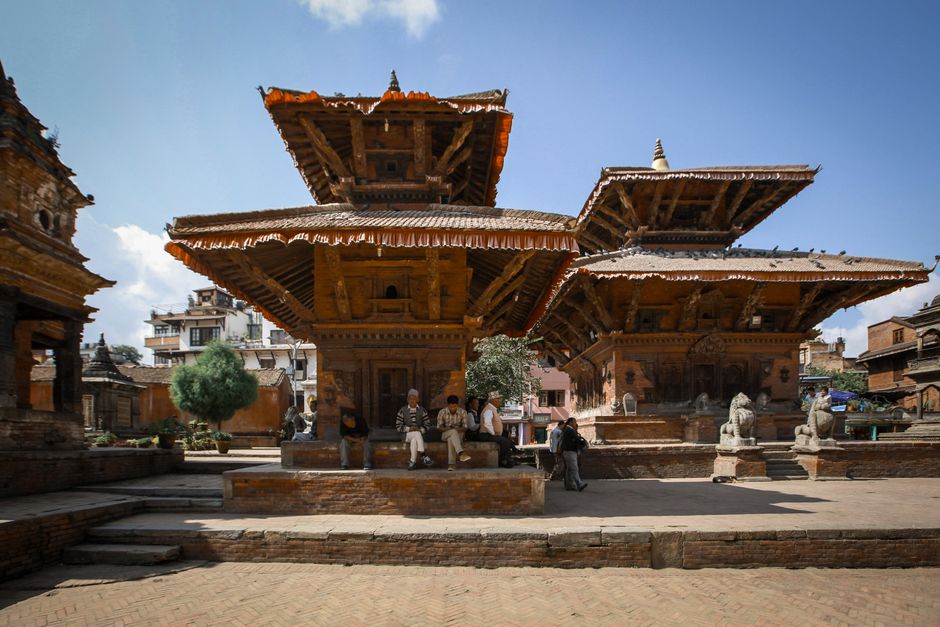
Fez’s medina is a winding maze of narrow alleys where donkeys, not cars, transport goods. It’s home to the world’s oldest university, the University of Al-Qarawiyyin, founded in 859 CE. The tanneries here still use ancient methods to color leather, a process you can view from terraces above. Getting lost in the souks is part of the experience, but hiring a local guide is advisable to navigate the labyrinthine streets and understand the significance of the guilds that have operated in the same spot for generations.
Kyoto, Japan
While Tokyo represents modern Japan, Kyoto is its cultural heart. The city has over 1,600 Buddhist temples and 400 Shinto shrines. During cherry blossom season, the philosophy of hanami (flower viewing) brings people together in parks for picnics. In the Gion district, you might catch a glimpse of a geiko or maiko, practitioners of traditional arts that include dance and music. Visiting a centuries-old tea house for a formal tea ceremony provides insight into the precise, meditative aesthetics that define Japanese heritage.
How to Plan Your Visit Responsibly
Exploring these places requires care. Your presence has an impact, and ethical travel ensures these cultures remain vibrant for future generations.
Before You Go: Research and Respect
Learn basic phrases in the local language. A simple “hello” or “thank you” in the native tongue shows respect and often opens doors to more genuine interactions. Understand appropriate dress codes, especially for religious sites. Covering shoulders and knees is a common requirement. Research local customs; for instance, in some cultures, pointing with your finger is rude, or you may need to remove shoes before entering a home or temple.
While You’re There: Support Local Economies
Choose locally-owned guesthouses, eateries, and tour operators. This ensures money stays within the community. Buy crafts directly from artisans when possible, and ask about the story behind the work. Avoid purchasing items made from endangered materials or that contribute to the removal of cultural artifacts from their place of origin. When photographing people, always ask for permission first.
Engage Deeply, Not Just Visibly
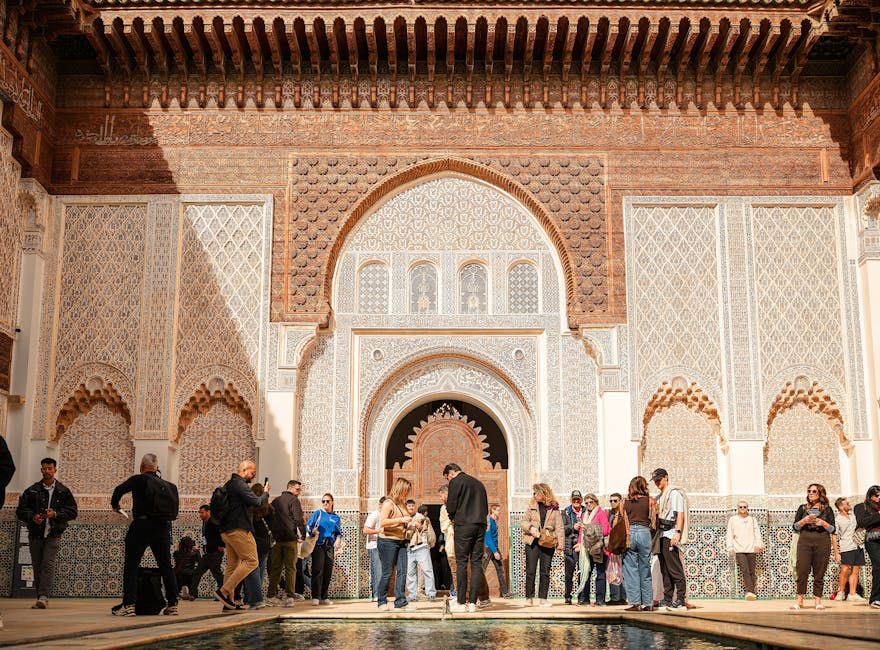
Prioritize quality over quantity. Spending a full day in one neighborhood, perhaps joining a workshop or a community meal, can be more enriching than rushing through five temples. Ask open-ended questions to local guides. Instead of asking for the “best” photo spot, ask what place they feel most connected to personally.
Comparing Cultural Travel Styles
Not every traveler seeks the same experience. Your preference will shape which destination and activities suit you best.
The Immersive Traveler
This type of traveler wants to understand daily life. They might stay in a homestay, take public transportation, and seek out non-touristy neighborhoods. Their goal is observation and participation. Luang Prabang, with its slow pace and visible traditions, suits this style well.
The History Buff
For this traveler, context is king. They want to understand the timeline, the rulers, and the events that shaped a place. They will hire specialist guides, spend hours in museums, and appreciate detailed plaques. Fez, with its ancient foundations and layers of history, is a strong match.
The Aesthetic Seeker
This traveler is drawn to beauty in art, architecture, and design. They are interested in the visual language of a culture—the patterns in a tile, the slope of a roof, the balance in a garden. Kyoto, with its emphasis on harmony and seasonal beauty, appeals directly to this sensibility.
Common Pitfalls to Avoid
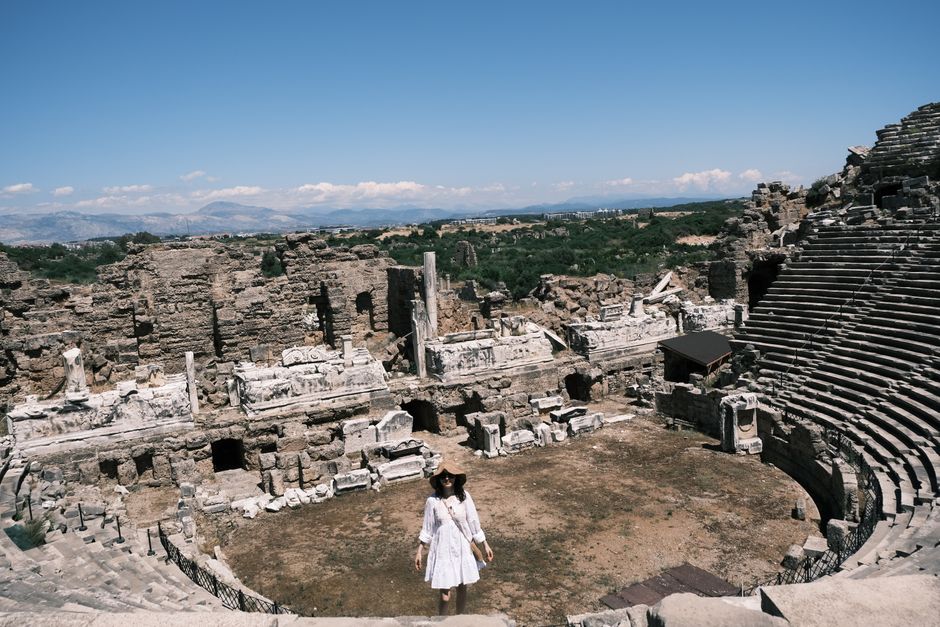
Avoid treating these destinations as themed backdrops for your photos. The culture is not a performance for visitors. Another mistake is overcrowding your itinerary. Rushing between sites prevents the serendipity of unexpected encounters, which are often the most memorable parts of a trip. Finally, be wary of overly polished tours that sanitize the reality of a place. The most authentic experiences sometimes come with a bit of dust and disorganization.
Takeaways for Your Next Journey
Choosing a destination with rich culture and heritage requires a mindset shift from passive tourism to active engagement. Start by defining what aspect of culture most interests you—food, art, religion, or history. Then match that interest to a location known for its strength in that area. Prepare by learning about local norms, and plan your schedule to allow for unstructured time. The goal is to leave with a deeper understanding, not just a fuller photo album.
Frequently Asked Questions
Do I need to speak the local language to have a meaningful experience?
No, but learning a few key phrases helps immensely. It demonstrates respect and can make navigating simple interactions much smoother. Many people in tourist areas speak some English, but an effort to communicate on their terms is always appreciated.
How can I tell if a cultural experience is authentic?
Look for signs of local participation. Are residents also using the space, or is it only for tourists? Is the activity led by someone from the community? Authentic experiences often feel less polished and more integrated into the rhythm of daily life.
What is the best time of year to visit these places?
It depends on the destination. Generally, shoulder seasons (spring and fall) offer pleasant weather and fewer crowds. However, visiting during a major local festival can provide unparalleled access to cultural traditions, though it requires booking far in advance.