
Discover Incredible Travel Adventures in Remote Destinations
For travelers tired of crowded spots, the most rewarding journeys often lie far from the beaten path. This guide explores how to find and plan trips to isolated places that offer genuine solitude and unique cultures. We cover practical steps for reaching these areas, what to expect, and how to travel responsibly.
From high-altitude treks to island communities, you’ll learn where to go and how to prepare. The goal is to help you discover incredible travel adventures in remote destinations without the guesswork.
Why Choose Remote Travel Destinations
Remote travel offers a break from the noise and pace of typical tourist circuits. You experience landscapes and communities that have remained largely unchanged. This type of journey tests your planning skills and rewards you with profound connection.
These places often have fewer visitors. This means a lower impact on the environment and a more authentic interaction with local people. You trade convenience for depth.
The Appeal of Solitude and Challenge
Being truly away from everything changes your perspective. The silence of a desert night or the vastness of a tundra can be powerful. You also gain confidence by navigating logistics on your own.
But it’s not always easy. Weather can shift quickly, and services are limited. Preparation is your most important tool.
Supporting Local Economies
Choosing lesser-known regions directs tourism money to communities that need it. You can hire local guides, stay in family-run guesthouses, and buy crafts directly from artisans. This creates a more positive economic impact.
Always research local customs and ways to contribute respectfully. A small decision, like hiring a local porter instead of an outside company, makes a real difference.
Planning Your Trip: Essential Steps
Success starts long before you leave home. A clear plan prevents problems and lets you focus on the experience itself. Here are the key steps to follow.
Research and Timelines
Begin with broad research to understand the region’s seasons, political climate, and entry requirements. Some places have short windows for safe travel. For example, window for Arctic expeditions is typically July to September.
Create a loose itinerary but allow flexibility. Delays are common in remote areas due to weather or transportation issues.
Packing for Self-Sufficiency
Assume you cannot easily replace items. Pack clothing for layering, a reliable water filter, a first-aid kit, and a power bank. A satellite messenger or personal locator beacon is critical for safety in areas without cell service.
Test all gear before you go. Break in boots, cook with your camp stove, and learn how your water filter works.
Permits, Visas, and Permissions
Many remote areas require special permits or have restricted access. For instance, traveling to parts of Greenland or visiting indigenous lands in the Amazon often requires official permission. Start this process months in advance.
Keep digital and physical copies of all documents. Store them in different places in case your bag is lost.
Top Regions for Remote Adventures
Some parts of the world are especially suited for deep exploration. Each offers a different type of challenge and reward. Here are a few notable regions.
The High Arctic, Greenland and Svalbard
These destinations provide stark, icy beauty and wildlife encounters. Polar bears, walruses, and vast ice sheets define the landscape. Travel is usually via small expedition ships or on foot with expert guides.
Summer months offer midnight sun and better access. Conditions are extreme, so physical fitness and proper gear are non-negotiable.
Mountainous Regions Like Bhutan or Kyrgyzstan
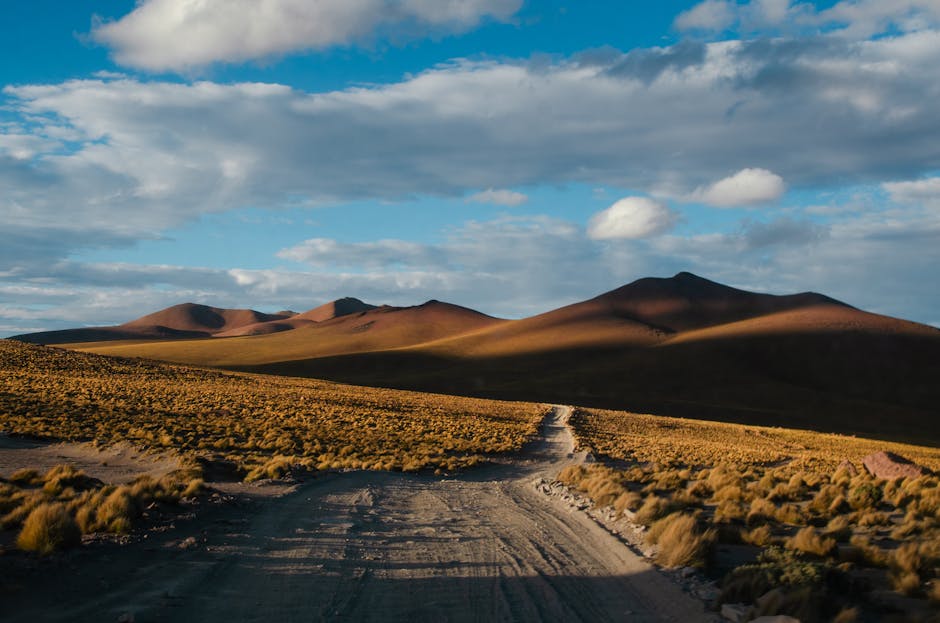
Landlocked countries with high mountains force you to rely on trekking. Bhutan’s remote valleys require a guided tour, which controls footfall but ensures cultural immersion. Kyrgyzstan offers more freedom, with horseback treks into alpine meadows.
Altitude sickness is a real risk. Acclimatize properly and know the symptoms.
Isolated Islands and Coastlines
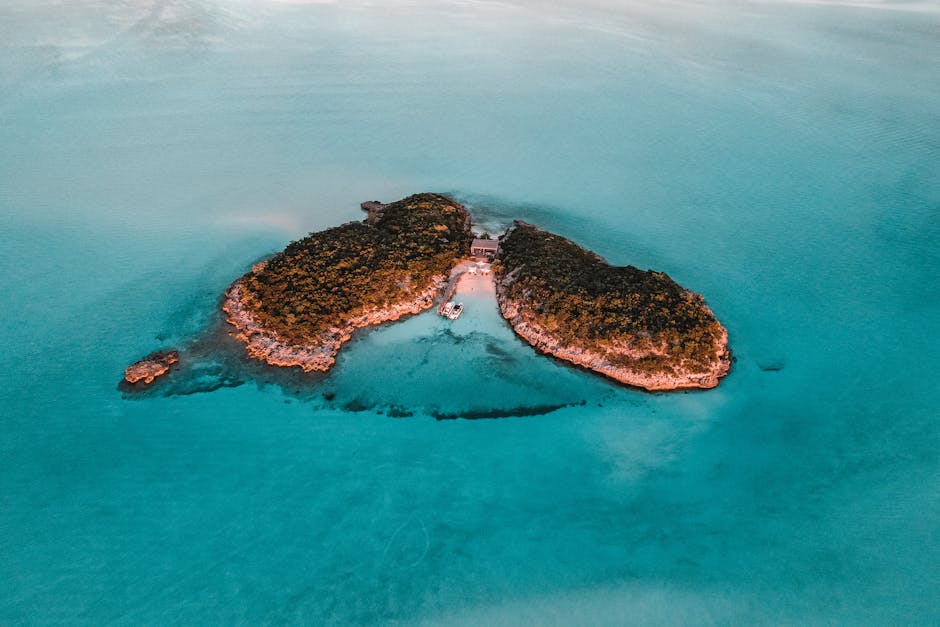
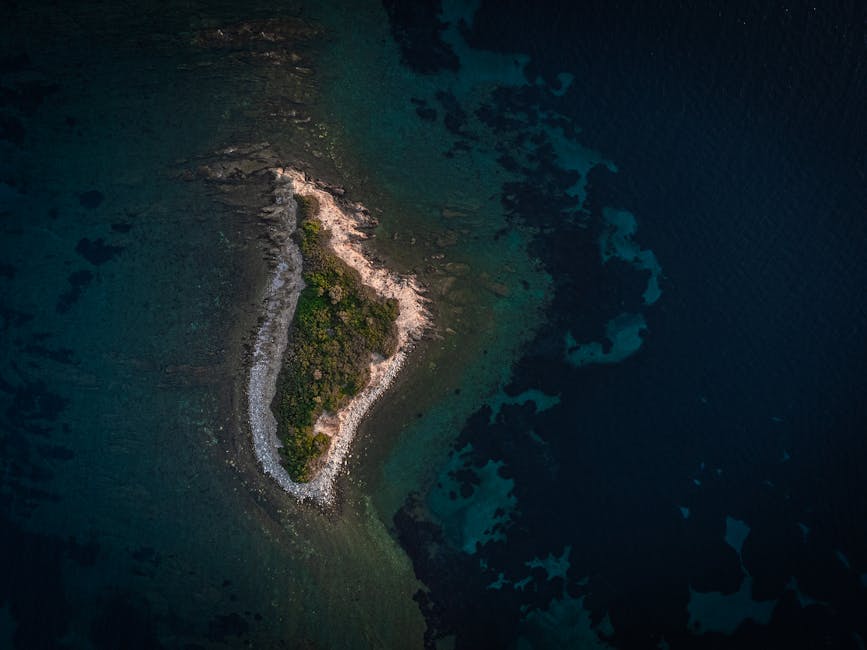
Consider the Faroe Islands, the Scottish Outer Hebrides, or remote atolls in the Pacific. These places are reachable but feel worlds apart. Hiking cliffs, kayaking sea caves, and meeting tight-knit communities are common activities.
Ferry schedules can be infrequent. Always confirm connections and have a backup plan.
How to Travel Responsibly in Remote Areas
Your presence has an impact. Following Leave No Trace principles is just the start. Being a thoughtful visitor protects the place you came to see.
Minimizing Environmental Impact
Carry out all waste, including organic matter. Use established trails and campsites to avoid damaging fragile ecosystems. In cold regions, this means packing out everything, as decomposition is minimal.
Choose operators with strong environmental policies. This supports businesses that prioritize conservation over profit.
Respecting Cultural Norms
Remote communities often have strong traditions. Dress modestly, ask before taking photos, and learn a few basic greetings in the local language. Gift-giving can be complicated; research appropriate etiquette beforehand.
Listen more than you talk. The best insights come from quiet observation and genuine curiosity.
Supporting Ethical Tourism
Book local guides directly when possible. Pay fair prices for services and goods. Avoid activities that exploit wildlife or put people in dangerous situations for photo opportunities.
Your spending power directs the market. Choose experiences that align with your values.
Real-World Examples and Comparisons
Seeing the difference between destinations helps you choose. Here are two scenarios comparing a well-known trek with a more remote alternative.
Everest Base Camp vs. a Remote Trek in Nepal
The Everest Base Camp trek is popular and very supported. Teahouses line the route, and rescue services are nearby. A trek to the Upper Mustang or Manaslu region is far less crowded, with more camping and basic lodges.
The remote trek requires more self-sufficiency but offers greater solitude and a chance to see cultures less affected by tourism.
Patagonia’s W Trek vs. a Lesser-Known Loop
The W Trek in Torres del Paine has mountain huts and pre-booked refugios. In contrast, circuits like the Dientes de Navarino on Isla Navarino in Chile are wild, with no services and few other hikers.
Choose the W for comfort and social atmosphere. Choose Dientes for pure wilderness and a true lone journey feel.
Common Challenges and How to Handle Them
Remote travel is not without hurdles. Anticipating problems makes them easier to manage when they arise.
Getting Lost and Navigation
Always carry a physical map and compass, and know how to use them. GPS devices and apps can fail; do not rely on them exclusively. Tell someone your route and expected return time.
Staying on marked trails is safest. If you venture off-trail, have strong navigation skills.
Communication Barriers
Languages may be different, and gestures can be misunderstood. Learning key phrases shows respect. A translation app on your phone can help, but do not depend on it entirely.
Patient, slow conversation often works best. Smile and be open to non-verbal cues.
Unexpected Delays
Bad weather, transportation strikes, or simple breakdowns can delay you by days. Carry extra food, fuel, and cash. Travel insurance that covers evacuation is essential.
Flexibility is your greatest asset. A delayed day can turn into an unexpected discovery.
FAQ: Quick Answers for Remote Travel
How do I find reputable operators for remote areas?
Look for companies with years of experience in the specific region. Check for certifications from international adventure travel associations. Read recent reviews from independent travelers.
What is the best way to stay connected without cell service?
A satellite messenger like a Garmin inReach allows you to send and receive texts and track your location. It also has an SOS button for emergencies. Inform your emergency contact of your itinerary.
Is remote travel safe for solo travelers?
It can be, but thorough planning is critical. Share your plans, use reliable equipment, and consider hiring a local guide for the most challenging sections. Start with less extreme destinations to build experience.
Final Takeaways for Your Journey
Remote travel is about preparedness and respect. It offers clarity and connection that crowded destinations rarely provide. Start with a well-researched trip to a moderately remote area to build your skills.
The world’s hidden corners reward those who seek them with care. Plan wisely, travel humbly, and you’ll find adventures that stay with you for a lifetime.