
Exploring Beautiful Regions Rich in History and Natural Wonders
Travelers seeking destinations that combine deep cultural heritage with stunning landscapes will find plenty to plan. This guide outlines specific regions where ancient structures, local traditions, and dramatic scenery intersect. Expect practical details on what to see, how to visit, and why these places leave a lasting impression.
Whether you prefer coastal paths, mountain valleys, or desert ruins, each area offers a distinct character. We focus on real locations with documented history and protected natural areas. The goal is to help you choose a trip that matches your interests and travel style.
Why History and Nature Together Matter for Travel
Combining historical sites with natural wonders creates a richer travel experience. You see how people lived within their environment, not just isolated monuments. This approach often leads to more meaningful memories and understanding.
Regions with both elements frequently offer better infrastructure for visitors. You might find maintained trails to ruins, guided tours that explain landscape changes, or local markets selling crafts tied to the land. This synergy makes planning more efficient.
Planning Benefits and Considerations
Start by identifying your primary interest: history or nature? Prioritize that for your itinerary. Then fill in the other element for contrast. For example, a morning at a castle or temple, followed by an afternoon hike to a viewpoint.
Consider seasonal changes. Some historical sites are best visited in cooler months, while natural attractions like waterfalls peak in spring. Always check for local holidays or events that might affect access or crowds.
The Italian Amalfi Coast and Ancient Villages
The Amalfi Coast combines dramatic cliffside villages with Roman and medieval history. Towns like Ravello and Amalfi feature centuries-old paper mills and cathedrals. Paths like the Sentiero degli Dei (Path of the Gods) offer sweeping Mediterranean views.
This region is compact, so you can pair a morning in a historic center with an afternoon on a scenic beach. For example, visit the Villa Rufolo in Ravello early, then hike to the coastal path for lunch in Positano. Local ferry services connect major towns.
Key Sites and Practical Access
Amalfi Cathedral dates to the 9th century, with a striking facade and cloister. Nearby, the Paper Museum shows traditional methods used since the Renaissance. In Ravello, the gardens at Villa Cimbrone provide historic context and coastal panoramas.
Driving the coastal road can be stressful. Consider a ferry from Salerno or Sorrento for easier visits. Wear sturdy shoes for uneven village streets and steep paths. Book popular restaurants and museums in advance during peak summer months.
Cardiff Wales: Castles and Coastal Parks
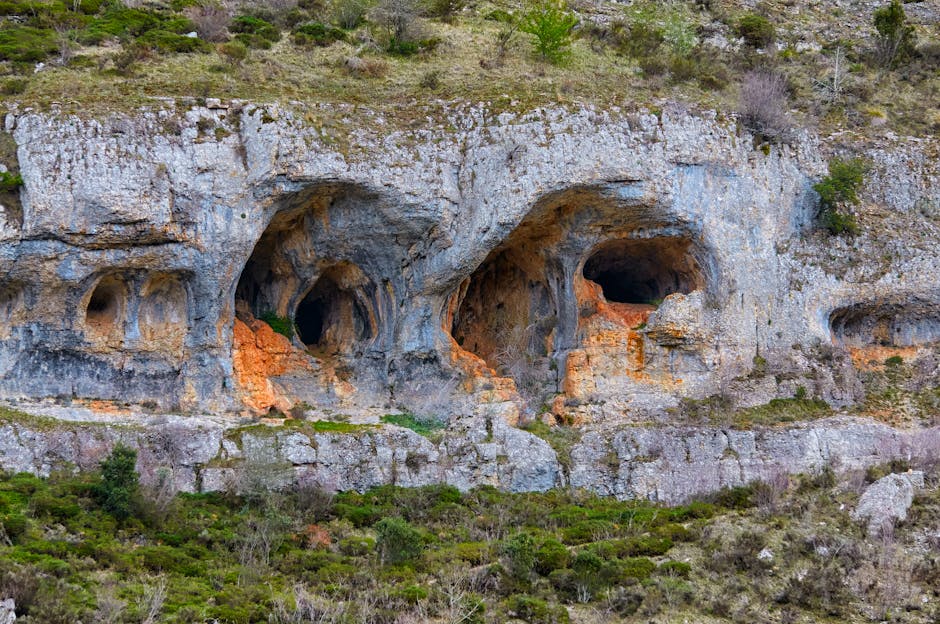
Wales offers an exceptional concentration of castles and natural parks. Cardiff is a gateway to sites like Caerphilly Castle, a massive 13th-century fortress, and the Brecon Beacons National Park. This combination suits readers interested in medieval history and outdoor walking.
The city itself has a revitalized waterfront at Cardiff Bay, alongside the historic Millennium Centre. Within a short drive, you reach valleys suitable for day hikes or cycling. The region’s scale makes it feasible to explore several highlights without long travel days.
Sample Itineraries and Tips
A day could start with Caerphilly Castle’s leaning tower, then move to the Brecon Beacons for an afternoon hike at Pen y Fan, the highest peak in South Wales. Pack a waterproof jacket, as weather shifts quickly. Public buses connect some key sites, but a car offers more flexibility for remote castles.
For history enthusiasts, include Cardiff Castle in the city center. It mixes Roman walls with Victorian Gothic interiors. For nature, consider the Gower Peninsula for coastal paths and beaches, roughly an hour’s drive from the capital.
Morocco’s Imperial Cities and Desert Landscapes
Morocco’s imperial cities—Fez, Marrakech, Meknes, and Rabat—showcase centuries of trade, architecture, and cultural exchange. Each city has a medina with preserved neighborhoods, palaces, and religious schools. Just beyond, the Atlas Mountains and Sahara Desert offer stark contrasts.
In Fez, the old medina’s narrow lanes reveal tilework, leather tanneries, and historic madrasas. A day trip to the Middle Atlas can include cedar forests and open-air markets. This mix lets you experience urban history and vast natural spaces in one trip.
Cultural Insights and Logistics
Guided tours in medinas help navigate complex layouts and explain historical significance. For example, a teahouse visit in Fez can include a discussion of local craft traditions. When visiting desert areas, use reputable tour operators for safety and comfort.
Respect local customs and dress modestly, especially in historic quarters. Learn basic Arabic or French phrases for smoother interactions. Desert trips often require overnight stays; check for amenities like water and sanitation if camping.
Peru’s Sacred Valley and Inca Heritage
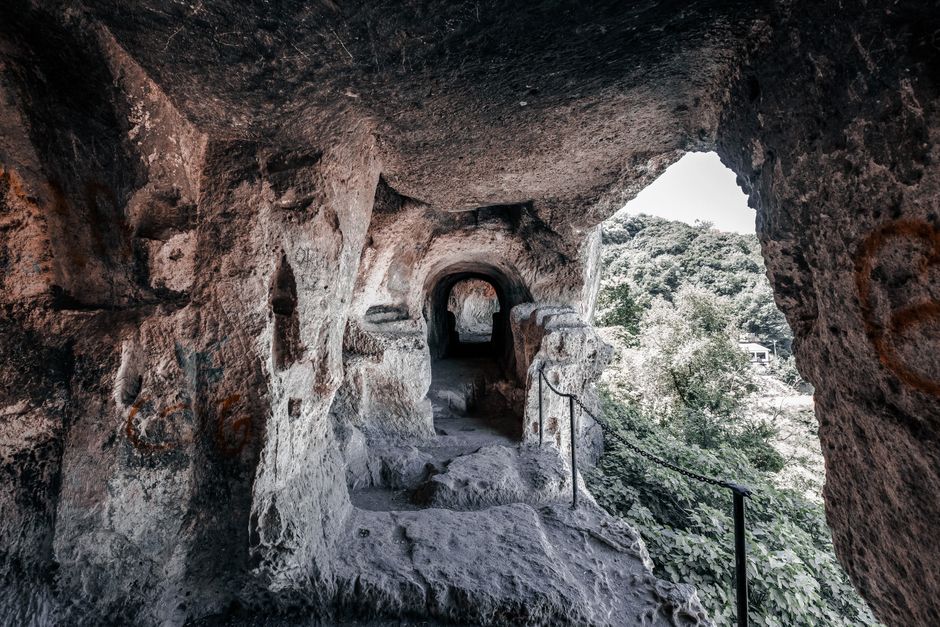
The Sacred Valley in Peru connects Inca archaeological sites with stunning mountain scenery. Towns like Ollantaytambo and Pisac provide access to ruins, markets, and trails. The region serves as a base for visiting Machu Picchu, the famous Inca citadel.
Unlike many destinations, the valley itself holds significant sites you can explore without long treks. For example, the Inca ruins at Pisac overlook an agricultural terrace system still in use today. This makes it suitable for travelers with varying fitness levels.
Moving Between Sites and Preparation
Start in Cusco to acclimate to altitude. Then plan one or two days in the valley, using Ollantaytambo as a hub. Visit the ruins early to avoid crowds and heat. For longer hikes to Inca sites, consider a guide who can explain historical context and environmental features.
Bring layers for variable temperatures and sun protection at high elevations. Always purchase tickets for Machu Picchu in advance, as daily limits are enforced. Respect archaeological sites by not climbing restricted walls or touching stone carvings.
Scottish Highlands: Glens and Clan History
The Scottish Highlands deliver open landscapes, lochs, and sites tied to clan history and military conflicts. Places like Glencoe and Loch Ness combine natural drama with stories from the Jacobite era. The region feels remote yet accessible from Edinburgh or Inverness.
Driving routes like the North Coast 500 reveal a mix of dramatic coastlines and historic castles. For example, the ruins of Urquhart Castle sit on Loch Ness, linking nature with medieval warfare. You can also explore hiking trails in Glen Coe, a dramatic glacial valley.
When to Visit and What to Know
Summer offers longer daylight and milder weather, but also more midges. Pack insect repellent and waterproof gear regardless of season. Some historic sites have limited winter hours; check ahead.
Consider using local guides for deeper insight into clan history and landscape formation. Many sites have visitor centers with maps and historical explanations. For nature, stick to marked paths to protect sensitive ecosystems and ensure safety.
Cambodia’s Temples and Jungle Ruins
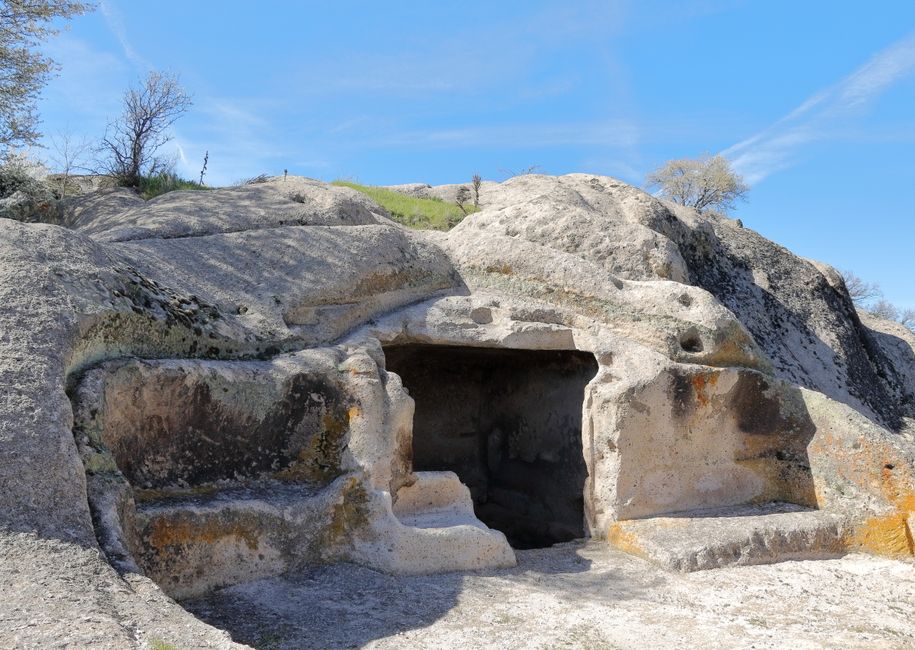
Angkor in Cambodia is a complex of temples and ruins spread over a large forested area. Beyond Angkor Wat, sites like Ta Prohm show trees integrated with stone structures. Nearby natural areas, including Tonle Sap Lake and Phnom Kulen National Park, add ecological context.
This combination lets you witness how ancient Khmer engineering interacted with water and forest. A typical trip includes multiple days to explore different temple groups and nearby nature reserves. The scale requires some planning but rewards with varied scenes.
Managing Time and Conditions
A standard Angkor ticket covers one to three days, depending on your interests. Start early to beat the heat and crowds. Hire a licensed guide or use reliable audio guides to understand historical significance and align temples with natural features.
Wear breathable clothing and carry water, especially for temple complexes that require walking. Rainy season can be lush but muddy; plan transport accordingly. Respect ongoing conservation efforts by not touching carvings or leaving trails.
Practical Tips for Any Region
Research visas and health requirements early. Some historical sites have entry fees or limited hours. Always confirm accessibility if you have mobility concerns, as ancient places often have uneven surfaces.
Pack light but include essentials: sturdy footwear, sun protection, and a reusable water bottle. Support local economies by choosing guides, accommodations, and restaurants that prioritize community benefit. This approach helps preserve both cultural and natural resources.
Building a Balanced Itinerary
Allocate time for both structured visits and spontaneous exploration. For example, book a morning tour of a historic site but leave an afternoon free for a local market or scenic drive. This balance reduces fatigue and increases enjoyment.
Keep a travel journal to note details you might forget later. Photos are useful, but written reflections help capture the feelings and connections you make during the trip.
FAQ Section
What is the best time to visit regions with history and natural wonders?
It depends on the destination and weather patterns. Generally, shoulder seasons—just before and after peak tourist times—offer fewer crowds and moderate temperatures. Always check local climate data and historical site hours.
How do I choose between multiple regions with similar features?
Consider factors like travel time from your base, available activities, and personal interests. For example, if you prefer coastal scenery, the Amalfi Coast might suit you; for mountain and ruin combinations, the Sacred Valley could be a better fit.
Are there ways to visit these places responsibly?
Yes. Follow local guidelines for sites, avoid touching or climbing restricted areas, and support guides and businesses that follow sustainable practices. Carry out what you bring in and stay on marked paths to protect ecosystems and historical structures.