
The Ultimate Travel Bucket List for Adventure Loving Explorers
Adventure is a broad category. It includes high-altitude treks, remote wildlife encounters, and trips that require skill and preparation. This list focuses on experiences that challenge you physically, reward you with rare access, and stand out from typical tourist routes. Each entry has a clear reason to go, what to expect, and how to plan.
Use these ideas as a starting point. Swap in different regions, skill levels, and time frames. The goal is to build a realistic list with a mix of near-term trips and multi-year goals.
1. Trek to Everest Base Camp, Nepal
This classic high-altitude trek reaches 5,364 meters. Expect long days, teahouse lodging, and steady acclimatization. The route passes Sherpa villages, glacial moraines, and views of Lhotse and Ama Dablam.
Why it belongs on a bucket list
It is a contained expedition with no technical climbing required—just good fitness and careful pacing. The cultural context adds depth to the physical effort.
Planning notes
Aim for spring or autumn windows. Budget 12–16 days, plus rest days. Use a licensed guide, check insurance for high-altitude rescue, and build walking fitness months ahead.
2. Summit Kilimanjaro, Tanzania
Standing at 5,895 meters, Kilimanjaro is Africa’s highest peak. Several routes exist, from the scenic Lemosho to the direct Marangu. Altitude is the main challenge, not technical skill.
Route comparison
Choose a longer route for better acclimatization. Shorter options have higher failure rates. Agencies vary widely; prioritize safety records and guide-to-client ratios.
What to know before you book
Good operators provide medical checks, oxygen, and a clear evacuation plan. Ask about porter welfare and environmental standards.
3. Hike the Inca Trail to Machu Picchu, Peru
Few ruins sit in a more dramatic setting. The four-day trail combines cloud forest, steep stone steps, and Incan archaeological sites. Permits are limited and sell out months in advance.
Permit strategy
Book early, especially for the high season. If permits are gone, consider the Salkantay or Lares trek, which offer strong scenery without the permit lottery.
Training focus
Stair climbing and hill repeats build the right strength. Budget for altitude adjustments if you are flying in from sea level.
4. Trek to Machu Picchu, Peru
Many readers search for this by name. It is the same destination as above, reached via trail rather than train. It still features as a core adventure pick due to access method and physical demand.
5. Walk the John Muir Trail, USA
Stretching 211 miles through the Sierra Nevada, this trail passes granite peaks, alpine lakes, and high passes. It typically takes 3–4 weeks.
Logistics and permits
Permits are required for specific sections. Resupply points are limited. Many hikers start in Yosemite Valley and finish at Mt. Whitney.
Safety and seasonal timing
Snow can linger into July. Bear canisters are mandatory in places. Weather changes fast—pack layers and a reliable shelter.
6. Trek to Trolltunga, Norway
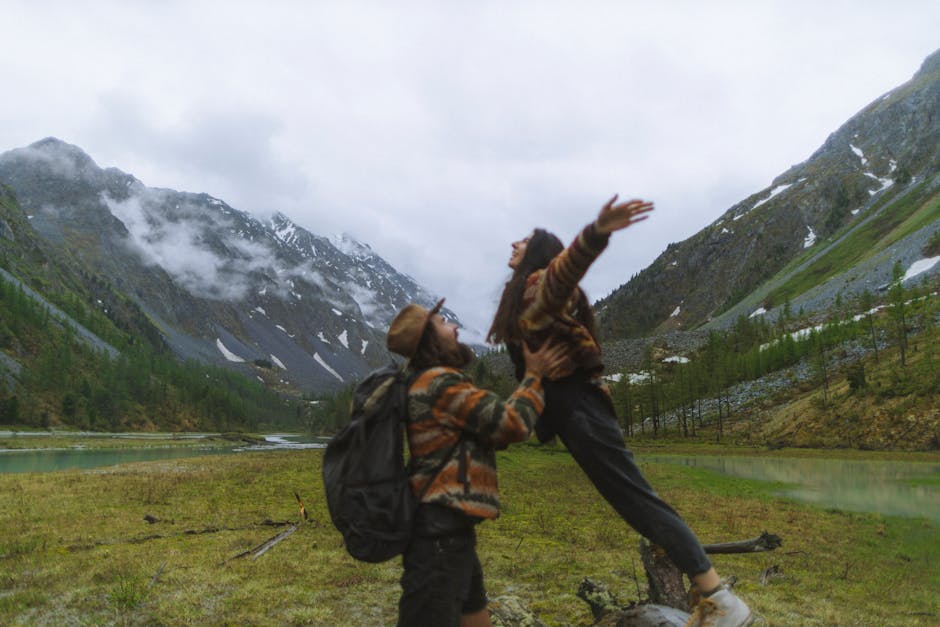
The iconic rock ledge juts out above a lake, offering one of Norway’s most photographed views. The hike is long—roughly 28 km round trip—and strenuous.
When to go
Summer and early autumn are best. Days are long, and the trail is more accessible. Start early to avoid crowds and afternoon weather changes.
Preparation
Navigation skills help even on marked trails. Weather can shift quickly; carry a map, compass, and rain gear.
7. Dive with Great White Sharks, South Africa
Cage diving off Gansbaai puts you in the habitat of one of the ocean’s most misunderstood predators. Water is cold, and the experience is strictly controlled.
Ethical and safety considerations
Choose operators with a conservation focus. Ask about chumming practices and animal disturbance. Read recent reviews for safety standards.
What to expect
Visibility varies. Sessions may be weather-dependent. Bring motion sickness medication if you are prone to seasickness.
8. Gorilla Trekking in Rwanda or Uganda
Spending an hour with a mountain gorilla family is an intense, quiet experience. Terrain can be muddy and steep, with trek times ranging from one to six hours.
Permits and costs
Permits are expensive and limited. Rwanda tends to have shorter treks; Uganda offers more variety. Book well in advance.
Etiquette
Maintain distance, avoid flash photography, and follow guide instructions. Gorilla health depends on respectful visitor behavior.
9. Explore Svalbard by Small Ship, Norway
This Arctic archipelago features glaciers, polar bears, and midnight sun. Small-ship expeditions allow access to remote fjords and wildlife viewing.
Season and wildlife
Summer months bring 24-hour daylight and better navigation. Polar bear sightings require cautious landing protocols.
Packing and mindset
Expect variable conditions. Pack waterproof layers and a quality camera with a long lens.
10. Safari in the Serengeti, Tanzania
The Great Migration moves across the plains, with predators and herds in constant motion. A well-planned safari combines wildlife tracking and landscape photography.
Planning the timing
Migration routes shift by season. Work with a safari operator who knows current movements. Consider a mixed lodge-and-camp itinerary.
Responsible travel
Support community-run conservancies. Ask about vehicle limits and off-road driving rules.
11. Road Trip the Garden Route, South Africa
This coastal drive spans beaches, forests, and lagoons. Stops include Knysna, Plettenberg Bay, and Tsitsikamma National Park.
Adventure add-ons
From bungee jumping at Bloukrans to kayaking in the lagoon, the route offers short, high-impact activities.
Logistics

Self-drive is straightforward. Book accommodation ahead in peak months. Check current safety advisories.
12. Hike Milford Track, New Zealand
Known as the finest walk in the world, this 53.5 km route passes rainforest, waterfalls, and alpine passes. Huts are booked through the national park system.
Permits and timing
Book huts months in advance. The track is one-way; transport is required at both ends. The wet season adds drama—and mud.
Physical preparation
Daily distances are moderate, but conditions are variable. Strong footwear and a pack with rain cover are essential.
13. Surf in Bali, Indonesia
From beginner-friendly breaks to advanced reef passes, Bali offers consistent waves. Uluwatu and Canggu are popular surf neighborhoods.
Choosing the right spot
Beginners should start with beach breaks and a qualified instructor. Check tide charts and local hazards.
Respect and safety
Observe local etiquette and priority rules. Learn rip current basics before your first paddle out.
14. Ice Climb in Banff, Canada
Frozen waterfalls and seracs create a winter playground. Introductory clinics cover gear, movement, and safety.
Gear and instruction
Rent technical equipment and hire a guide. Climbing ice requires different footwork and swing rhythm than rock.
Conditions
Ice quality changes with temperature. Guides choose routes based on recent weather and avalanche bulletins.
15. Paraglide over Interlaken, Switzerland
Alpine launches, steady thermals, and scenic landings define this experience. Tandem flights suit first-timers; courses are available for independent pilots.
Choosing a provider
Look for certified instructors and well-maintained gear. Read reviews and ask about safety records.
Weather dependency
Flights may be postponed for wind or cloud cover. Build flexibility into your itinerary.
16. Multiday Kayaking in Ha Long Bay, Vietnam
Classic limestone karsts and calm waters make for a memorable paddle. Overnight junk boat trips combine kayaking and exploration.
Route options
Choose less crowded itineraries for better wildlife viewing. Early mornings are often calmest.
Environmental care
Use reef-safe sunscreen and pack out all trash. Support operators with strong waste management practices.
17. Snorkel the Great Barrier Reef, Australia
Despite reef health challenges, sections remain vibrant. Port Douglas and the Whitsundays offer access to protected areas.
Choosing responsible tours
Operators following best practices avoid anchoring on coral and limit group sizes. Ask about reef restoration partnerships.
Timing and conditions
Water clarity varies by season. Stinger season requires rash guards and safety briefings.
18. Bike the Friendship Highway, Laos to Thailand
This overland route connects Vang Vieng and Luang Prabang to Chiang Rai. Expect rolling hills, river valleys, and small villages.
Logistics
Some sections require bus transfers. Bike rentals and support vehicles are available in major towns.
Safety
Traffic varies by region. Wear a helmet, carry spare tubes, and plan water stops.
How to Build Your Own Adventure Bucket List
Start with constraints that matter to you—time, budget, skill level, and travel style. Use these steps to shape a practical plan.
Define your adventure profile
Rate your fitness, comfort with risk, and interest in technical skills. This helps filter destinations and activities.
Map a timeline
Group trips by season and lead time. Some permits and bookings need 6–12 months of planning.
Budget with precision
Include permits, guides, gear, insurance, and emergency funds. Remote trips often cost more than they appear at first.
Build skills progressively
Take a course, join a club, or hire a guide for your first outing. Competence grows confidence and safety.
Plan for what-if scenarios
Weather, health, and logistics can change. Build buffer days and have backup routes.
FAQ
How do I choose the right adventure for my fitness level?
Match the activity to your baseline. If you walk regularly, a long-distance trek is achievable with training. If you are new to altitude, start with a lower peak before attempting Kilimanjaro or Everest Base Camp.
What should I pack for a high-altitude trek?
Focus on layers, a down jacket, waterproof shell, sturdy boots, and a reliable daypack. Include a headlamp, first aid kit, and sun protection. Guides often provide group gear, but check before you go.
How far in advance should I book permits and lodges?
Some locations require 6–12 months of lead time. The Inca Trail, Kilimanjaro, and popular hut systems sell out quickly. For other destinations, 3–6 months is usually sufficient.