
Exploring Historic Landmarks and Famous Travel Attractions
Planning a trip centered on historic landmarks and famous travel attractions requires more than just a bucket list. This guide offers practical steps to choose sites that match your interests, compare options, and avoid common pitfalls. You’ll find specific examples from Europe, Asia, and the Americas, plus tips for timing visits and balancing crowds with meaning.
Travelers often skip the research that turns a quick stop into a memorable experience. We’ll show you how to prioritize, plan routes, and make the most of your time at each destination. The goal is to help you build an itinerary that feels both efficient and personal.
How to Choose the Right Historic Sites for Your Trip
Start by defining what you want to learn or feel. Are you drawn to ancient civilizations, colonial history, or modern heritage? Your answer will filter the long list of landmarks down to a few strong candidates.
Consider the site’s condition and authenticity. Some attractions are heavily restored, which can affect the atmosphere. Others remain in their original state, offering a rawer connection to the past.
Match Interests to Destinations
If you enjoy Roman engineering, focus on sites like the Pont du Gard in France or the aqueducts of Segovia. For medieval castles, look to the Loire Valley or the Scottish Highlands. Military history buffs might choose Normandy beaches or the Berlin Wall.
Use museum collections and UNESCO World Heritage lists as starting points. These resources highlight sites with recognized cultural value and often provide context you won’t find in travel brochures.
Evaluate Access and Crowd Levels
Some famous travel attractions are manageable only with advance tickets. The Alhambra in Granada, for example, sells out weeks ahead. Others, like the Tower of London, offer timed entry slots that reduce wait times.
Check seasonal patterns. Popular sites in Rome or Athens can feel overwhelming in summer. Shoulder seasons often provide better light for photos and a more relaxed visit.
Planning Your Route Around Key Landmarks
Grouping sites by geography saves time and energy. In Italy, you might chain Florence’s Uffizi Gallery, the Duomo, and the Ponte Vecchio into a single day. In Cambodia, Angkor Wat, Bayon, and Ta Prohm fit neatly into a morning-to-afternoon loop.
Draw a simple map or use a route-planning app. Aim for logical flows that avoid backtracking. This approach works for both city itineraries and multi-country tours.
Compare Urban vs. Rural Settings
Urban landmarks often sit amid busy streets and require navigation through traffic. Rural sites may need a car or guided transport. The trade-off is worth noting: cities offer more amenities, while rural areas provide quiet reflection.
For example, the Great Wall of China stretches across remote mountains. Visiting the Mutianyu section requires a drive from Beijing, but the reward is fewer crowds and clearer views.
Build in Buffer Time
Don’t pack every hour. Historic sites can be emotionally heavy or physically demanding. Allow space for unexpected discoveries, like a local market near a cathedral or a quiet bench with a view.
Buffer time also helps with delays. Traffic, ticket lines, or weather can disrupt tight schedules. A flexible plan reduces stress.
Timing Your Visits for Better Experiences
Time of day changes everything. Early morning light often suits photography and avoiding crowds. Late afternoon visits can bring softer light and cooler temperatures.
Some sites have special hours. The Vatican Museums open early and stay open late on certain nights. Checking official websites prevents disappointment.
Seasonal Considerations
Weather affects both comfort and access. Winter visits to historic districts in Europe can be magical but cold. Summer heat in Mediterranean regions may require midday breaks.
Consider local holidays. Sites may close or host events that add meaning or congestion. For instance, visiting Rome during Easter offers rich ceremonies but also larger crowds.
Balancing Depth and Breadth
It’s tempting to see everything at once. Focus instead on depth at one or two sites per day. Spend time reading plaques, talking to guides, or simply observing details.
Compare guided tours vs. self-guided exploration. Tours provide context and efficient routing, while self-guided visits offer freedom and personal pace.
Practical Tips for Iconic Destinations
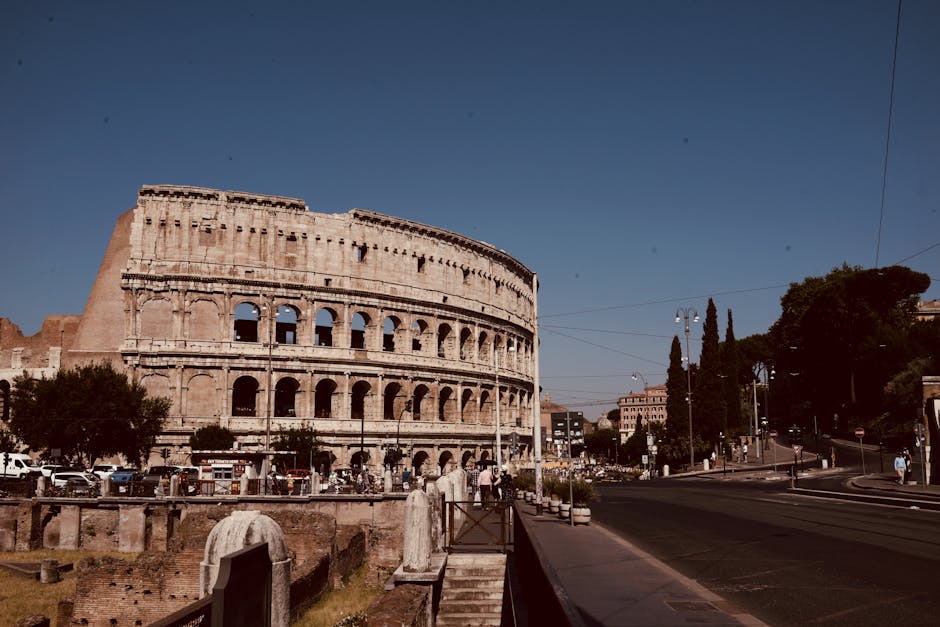
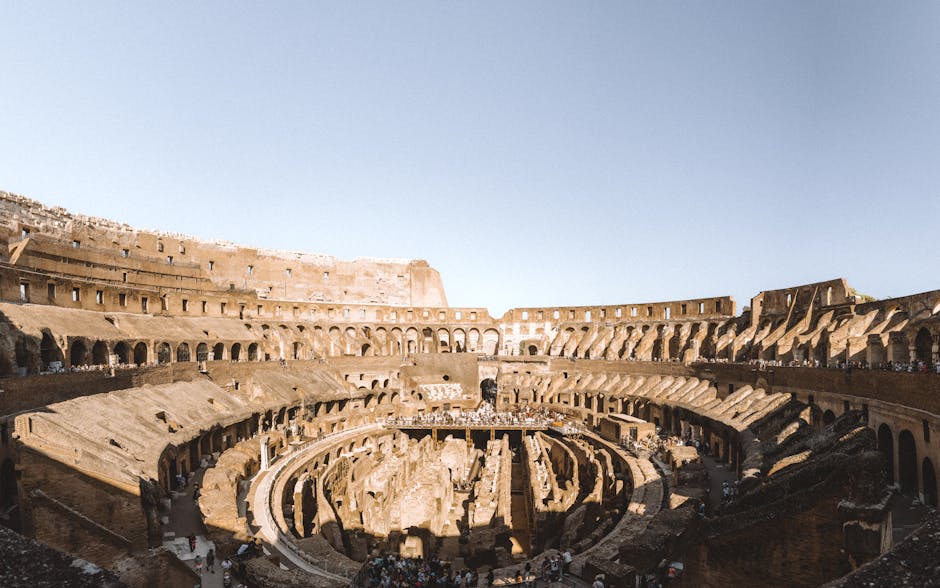
Some historic landmarks require specific strategies. The Colosseum in Rome, for example, offers combined tickets with the Roman Forum. Buying online skips long queues.
In Asia, temples and pagodas often have dress codes. Shoulders and knees should be covered. Carrying a scarf or shawl is a simple fix.
Respect Site Rules and Preservation Efforts
Many attractions prohibit touching surfaces or using flash photography. These rules protect fragile artifacts. Ignoring them can damage historical integrity and result in fines.
Support preservation by choosing reputable tour operators and donating to site maintenance funds when available.
Prepare for Physical Demands
Historic sites often involve stairs, uneven paths, or long walks. Wear supportive shoes and carry water. In hot climates, sun protection is essential.
Bring a small notebook or use a phone app to jot down observations. This habit deepens engagement and helps you remember details later.
Comparing Famous Travel Attractions Across Regions
Context matters when choosing between similar sites. The pyramids of Giza and Teotihuacan both offer ancient stepped structures, but their cultural backdrops differ greatly.
In Europe, Gothic cathedrals like Notre-Dame and Cologne Cathedral share architectural themes yet reflect distinct national histories. Comparing them can reveal nuanced differences.
Urban Icons vs. Natural Landmarks
Some attractions blend history with scenery. Petra in Jordan marries rock-cut architecture with desert landscapes. Machu Picchu combines Inca ruins with mountain vistas.
Decide whether you prefer a singular site or a broader experience. This choice influences travel time and packing needs.
Cost and Accessibility Differences
Entry fees vary widely. Some attractions are free, like the Lincoln Memorial in Washington, D.C. Others, like the Tower of London, charge substantial fees.
Accessibility features also differ. Historic sites may lack elevators or ramps. Research ahead if mobility is a concern.
Case Studies: Learning from Real Travelers
A family visiting Kyoto prioritized Fushimi Inari Shrine early in the morning, then moved to Kiyomizu-dera as crowds grew. This sequencing maximized their time and reduced exhaustion.
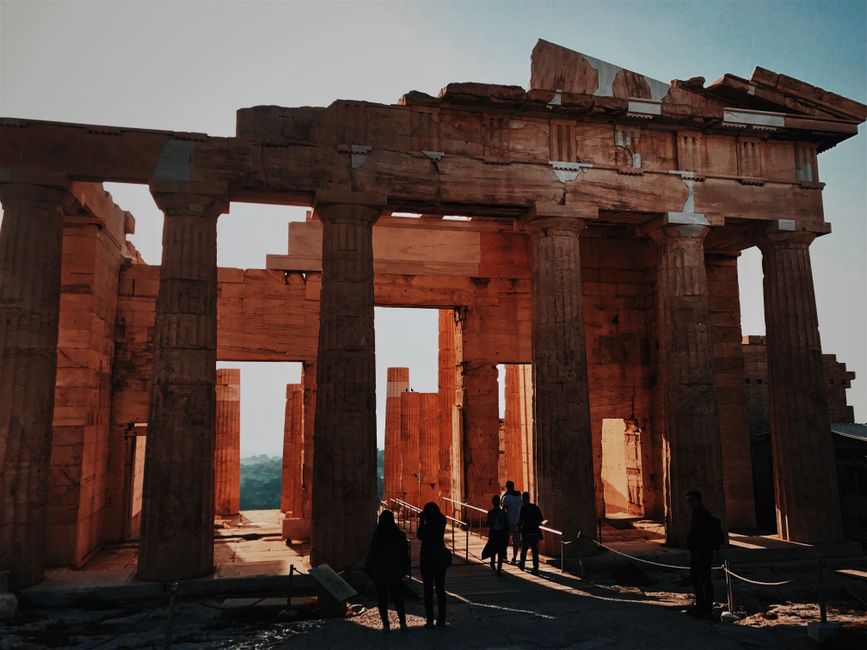
Another traveler in Greece split time between the Acropolis Museum and the Parthenon, using the museum to build understanding before seeing the ruins in person.
Mistakes to Avoid
Overbooking leads to rushed visits and missed details. Skipping research can mean arriving at a closed site or missing free admission days.
Assuming all landmarks are family-friendly may disappoint. Some sites have steep climbs or limited shade, which can strain young children.
Takeaways for Planning
Start with your interests, then narrow options by location and access. Add buffer time and check official hours. Respect site rules and prepare physically.
Use comparisons to clarify priorities. A side-by-side look at similar attractions helps you choose based on your schedule and preferences.
Frequently Asked Questions
How do I decide which historic landmarks to visit first?
Begin with your core interest—ancient history, colonial sites, or modern heritage. Cross-reference with UNESCO lists and current travel guides to narrow choices to one or two per day.
Are guided tours worth it for famous travel attractions?
Guided tours save time and add context, especially at complex sites like the Vatican or Angkor Wat. Self-guided visits offer flexibility. Consider a mix: take a tour for background, then revisit independently.
How can I avoid crowds at popular landmarks?
Visit early morning or late afternoon. Book timed-entry tickets online. Travel in shoulder seasons and check local holiday calendars to avoid peak congestion.