
Discover Spectacular National Parks Across Different Countries
Planning your next adventure often starts with a single question: where to go? This guide helps you discover spectacular national parks across different countries, spotlighting must-see destinations that deliver real outdoor rewards. We cover iconic landscapes, unique wildlife, practical access tips, and how to choose the right park for your trip.
From the towering peaks of South America to the coastal wonders of New Zealand, each park offers a distinct experience. You’ll find clear comparisons, entry details, and what makes each location stand out. By the end, you’ll have a shortlist of parks that match your interests, budget, and travel style.
What Makes a National Park Worth Visiting?
A great national park balances natural beauty with accessibility and visitor support. Look for well-maintained trails, reliable information centers, and clear safety guidelines. Popular parks often have high foot traffic, but many hidden gems provide solitude without sacrificing scenery.
Consider the park’s unique features—glaciers, rainforests, deserts, or coastal cliffs. Also check seasonal conditions; some parks are best visited in specific months. Budget for fees, transport, and lodging, as costs vary widely by country.
North America: Iconic Parks and Diverse Landscapes
Yellowstone National Park, United States
Yellowstone, established in 1872, remains a cornerstone of the global park system. It spans Wyoming, Montana, and Idaho, offering geysers, hot springs, and abundant wildlife. Expect bison herds, elk, and occasional bears in the Lamar Valley.
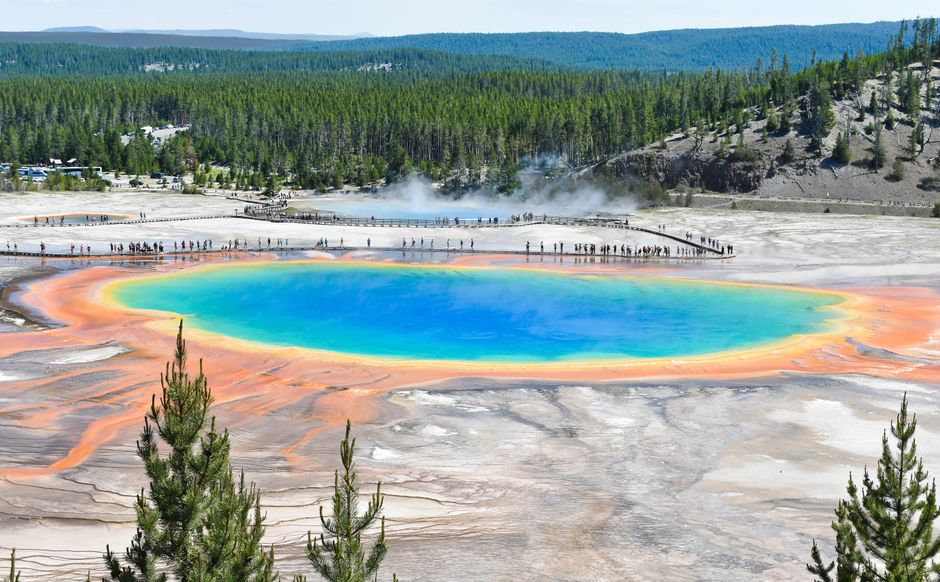
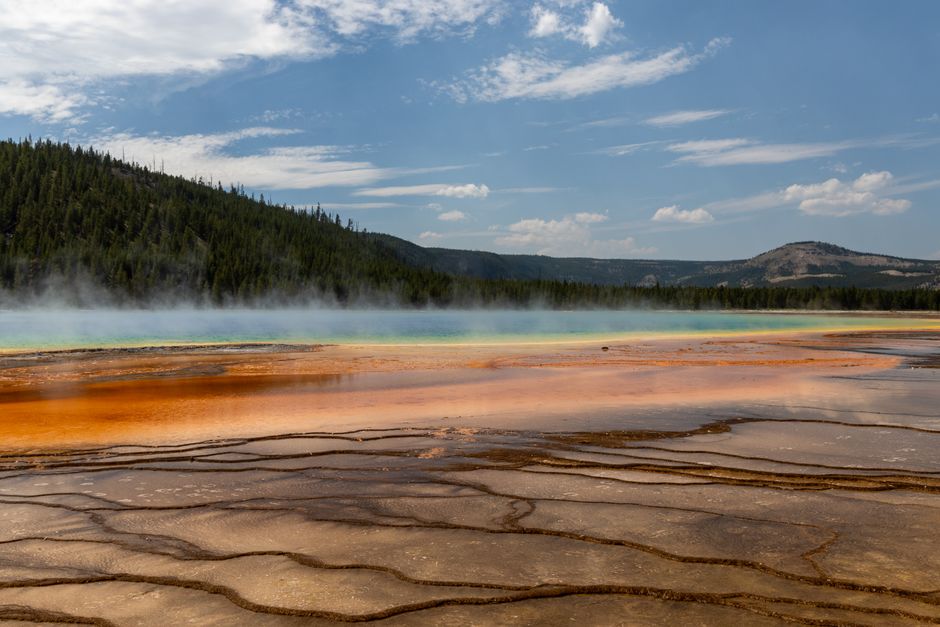
Key sites include Old Faithful, Grand Prismatic Spring, and Yellowstone Lake. The park has multiple entrances; the West Entrance near West Yellowstone is most popular. Summer brings crowds, so book lodging months ahead. Winter offers snowcoach tours and a quieter experience.
Banff National Park, Canada
Set in the Canadian Rockies, Banff boasts turquoise lakes, rugged peaks, and easy access from Calgary. Moraine Lake and Lake Louise are postcard-perfect, but both require early arrival due to parking limits. The Icefields Parkway connects Banff to Jasper, offering one of the world’s scenic drives.
Visitors can hike, kayak, or take a gondola for panoramic views. Bear awareness is crucial; carry bear spray and know local protocols. Parks Canada offers detailed trail reports and shuttle services at key sites.
Grand Canyon National Park, United States
The Grand Canyon’s scale is hard to grasp until you stand at the rim. South Rim is open year-round, with paved trails and viewpoints like Mather Point. North Rim closes in winter due to snow, but offers a more remote feel.
Day hikers should avoid descending too far in summer heat. Consider a guided tour for geology insights. Permits are required for overnight backpacking; apply well in advance via the NPS website.
South America: Wild Frontiers and Rare Species
Torres del Paine National Park, Chile
Patagonia’s Torres del Paine is famed for granite towers, glaciers, and grasslands. The W Trek is a 5-day circuit that hits key highlights; the O Circuit is longer and more challenging. Weather shifts rapidly, so pack layers and waterproof gear.
Accommodations range from campsites to luxury lodges. Book refugios (mountain huts) early, especially for peak season (November to March). Local guides can enhance safety and wildlife spotting, including guanacos and Andean condors.
Galápagos National Park, Ecuador
The Galápagos Islands showcase evolution in action. This UNESCO site restricts visitor numbers to protect fragile ecosystems. Travel by licensed boat or stay on Santa Cruz or San Cristóbal islands for a land-based experience.
See giant tortoises, marine iguanas, and blue-footed boobies up close. Snorkeling reveals sea lions and vibrant fish. Strict rules apply—never touch wildlife or stray from marked paths. Research operators with solid conservation credentials.
Europe: Historic Parks and Alpine Beauty
Swiss National Park, Switzerland
Switzerland’s only national park, near St. Moritz, protects alpine flora and fauna. Trails are well-marked, and the Visitor Centre in Zernez provides maps and wildlife updates. Expect ibex, chamois, and rare birds.
The park is car-free in core areas; use public transport to trailheads. Summer is ideal for hiking, while winter offers snowy landscapes. Entry is free, but guided tours cost extra and book up quickly.
Plitvice Lakes National Park, Croatia
Plitvice is a chain of 16 terraced lakes linked by waterfalls in a forested canyon. Wooden walkways guide visitors, but can be slippery—wear sturdy shoes. The park is busiest in July and August; early morning visits are best.
Boat and train shuttles help cover large areas. Photography is popular, but drones are banned. Combining Plitvice with nearby Risnjak National Park makes a solid Croatian nature trip.
Africa: Savannahs and Desert Wilderness
Serengeti National Park, Tanzania
The Serengeti is legendary for the Great Migration, where millions of wildebeest and zebras cross the plains. Key viewing times are calving season (February–March) and river crossings (July–October). Choose a reputable safari operator for ethical wildlife viewing.
Lodges range from budget camps to high-end camps. Balloon safaris offer a unique aerial perspective. Malaria is a risk; consult a travel clinic before departure and take prophylactics as advised.
Etosha National Park, Namibia
Etosha’s salt pan dominates the landscape, creating mirror-like waterholes that attract elephants, lions, and rhinos. Self-drive safaris are common, with campsites and lodges inside the park. Night drives at floodlit waterholes are a highlight.
Summer (November–April) brings heat and rain, but fewer crowds. Winter (May–October) is cooler and better for game viewing. Fuel up before entering; stations are limited.
Asia and Oceania: Remote Beauty and Unique Ecosystems
Kakadu National Park, Australia
Kakadu is a dual World Heritage site known for Aboriginal rock art, wetlands, and crocodile habitats. Visit during the dry season (May–October) for accessible roads and hiking. Yellow Water Billabong is prime for birdwatching and boat tours.
Aboriginal guides provide cultural insights and safety advice. Be croc-aware: never swim in unapproved areas. The park is vast; plan several days to see diverse zones.
Fiordland National Park, New Zealand
Fiordland features dramatic fjords, rainforests, and the famous Milford Sound. Boat cruises reveal waterfalls and seals, while the Routeburn Track offers multi-day trekking. Weather is unpredictable; always carry rain gear.
Access is via Te Anau or Queenstown. The Milford Road can be busy; consider shuttle services. For solitude, explore lesser-known fiords like Doubtful Sound.
How to Choose the Right Park for Your Trip
Start by defining your priorities: adventure, relaxation, wildlife, or culture. Match those with a park’s strengths. For example, if you want iconic landforms, pick Grand Canyon or Torres del Paine. For wildlife, Serengeti or Etosha stand out.
Check visa requirements, park fees, and transport options. Some parks require advance booking for permits or tours. Read recent visitor reports for current conditions.
Practical Tips for Visiting National Parks
Leave no trace: pack out all trash, stay on trails, and respect wildlife. Buy a local SIM card for maps and emergency calls. Carry cash for remote areas where cards aren’t accepted.
Travel insurance is wise, especially for activities like hiking or safari drives. Inform someone of your plans, and know the nearest medical facility. Always check official park websites for alerts.
FAQ
What is the best time to visit national parks?
It depends on the park and region. Dry seasons often offer better access and wildlife viewing, but can be crowded. Shoulder seasons provide fewer people and moderate weather.
Are national parks safe for solo travelers?
Many parks are solo-friendly, but research is key. Stick to marked trails, share your itinerary, and use guided tours in remote areas. Check local safety advisories.
How can I save money on a national park trip?
Visit in low season, use campgrounds, and cook your own meals. Look for free entry days or annual passes. Share transport costs with other travelers.
”
}
{
“seo_title”: “Explore Spectacular National Parks Worldwide