
A Traveler’s Guide to Exploring Europe’s Hidden Treasures
Many visitors to Europe stick to the well-trodden paths of Paris, Rome, and Barcelona. This guide directs you toward lesser-known destinations that offer authentic culture, stunning landscapes, and a break from the crowds. We cover practical planning steps, specific regional examples, and tips for responsible travel. You will learn how to find these spots, what to expect, and how to make the most of your time there. The focus is on genuine, rewarding experiences often missed by standard itineraries.
Why Look Beyond the Capitals?
Major European cities draw millions of visitors each year, which can strain local infrastructure and dilute the travel experience. Exploring lesser-known areas helps distribute tourism benefits more evenly. It also allows for deeper connections with local communities and traditions. You often encounter lower costs and more relaxed atmospheres. This approach supports sustainable travel by reducing pressure on overvisitied sites.
Planning Your Trip: First Steps
Start by defining your interests—history, nature, food, or art—to narrow down regions. Research local transit options, as smaller towns may lack major airports or train lines. Budgeting is key; hidden gems often have lower costs, but some remote areas require more spending on transport. Check visa requirements and health advisories, especially for Schengen zone travel. A flexible itinerary works best for spontaneous discoveries.
Choosing the Right Season
Peak summer months bring crowds and higher prices to even obscure locations. Shoulder seasons—spring and autumn—offer milder weather and fewer tourists. Winter travel can be magical in some regions, like the Alps or Nordic forests, but requires preparation for cold. Always verify seasonal closures for attractions or local services. Booking accommodations early is wise for popular niche areas.
Regional Hidden Treasures to Consider
Europe varies greatly by region, each with unique offerings. Below are curated examples from different areas, balancing accessibility and seclusion. These are not exhaustive but provide a starting point. Each destination includes key highlights and practical notes. Consider combining a hidden spot with a nearby city for efficiency.

Eastern Europe: Beyond Prague and Budapest
Explore the Albanian Alps for dramatic hiking trails and serene villages like Theth. In Romania, the Maramureș region features wooden churches and traditional craftsmanship. Bulgaria’s Rila Monastery and Seven Rila Lakes offer spiritual and natural beauty. These areas are affordable and rich in history, though infrastructure can be basic. Always confirm road conditions before traveling.
Northern Europe: Vikings and Wilderness
Norway’s Lofoten Islands provide striking fjords and fishing communities, far from Oslo’s bustle. Finland’s Lakeland area is perfect for sauna culture and boat trips among countless lakes. Estonia’s Saaremaa Island offers medieval windmills and quiet beaches. These spots excel in summer but have limited services in winter. Renting a car is often necessary for full exploration.
Western Europe: Off the Beaten Path
France’s Alsace region has colorful villages and wine routes without Parisian crowds. Germany’s Harz Mountains feature narrow-gauge railways and half-timbered towns like Quedlinburg. Podromos in Portugal’s Alentejo region offers whitewashed houses and cork forests. These areas are well-connected by train but less frequented by international tourists. A local festival can add a memorable twist to your visit.
Southern Europe: Mediterranean Secrets
Italy’s Le Marche region rivals Tuscany with hilltop towns and Adriatic beaches. Greece’s Pelion Peninsula combines mountain villages with pebble coves. Croatia’s Istrian interior is known for truffles and hilltowns like Motovun. Expect excellent food and mild climates, though summer heat can be intense. Book agriturismos or family-run guesthouses for an authentic stay.
Transportation and Getting Around
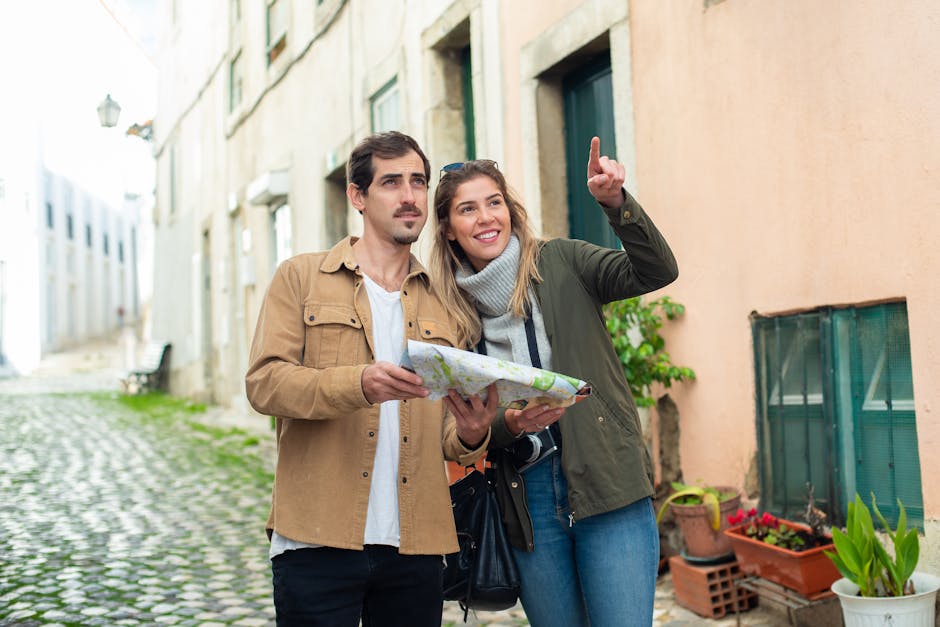
Euro rail passes work well for major routes but may not reach every hidden gem. Regional buses and shared taxis are common in rural Balkan and Scandinavian areas. Cycling is ideal for flat regions like the Dutch countryside or Danube paths. Always allow extra time for delays in remote locations. Use apps like Rome2Rio for current transit options.
Accommodation and Local Etiquette
Seek out guesthouses, farm stays, or small hotels to support local economies. In some villages, homestays provide cultural immersion but require advanced booking. Learn basic phrases in the local language—it shows respect and opens doors. Tipping customs vary; research norms to avoid missteps. Sustainable practices, like carrying reusable water bottles, are appreciated everywhere.
Budgeting and Cost Considerations
Hidden treasures can be cheaper than capitals, but remote transport adds up. A daily budget of €50-100 is reasonable for modest travel, excluding flights. Eating local markets saves money and supports producers. Avoid currency exchange kiosks with high fees; use ATMs or cards with no foreign transaction charges. Track spending with a simple app to stay on course.
Food and Cultural Experiences
Every region has specialties—seek out farm-to-table meals or local festivals. In Transylvania, try hearty stews and visit craft workshops. In Iceland’s Westfjords, fresh fish is a staple. Participating in a cooking class can deepen your appreciation of local cuisine. Always ask permission before photographing people or private property.
Safety and Logistics Essentials
Check your country’s travel advisories for each destination. Carry a physical map as backup when digital signals fail. Travel insurance that covers medical evacuation is vital for remote areas. Keep copies of important documents separate from originals. In case of emergency, know the local emergency number (112 in the EU).
FAQ Section
What qualifies as a hidden treasure in Europe?
A hidden treasure is a destination with low tourist volume, authentic local culture, and notable attractions. It often requires extra travel effort but rewards with unique experiences and fewer crowds.
How do I find reliable information on obscure spots?
Use niche travel blogs, local tourism office websites, and forums like TripAdvisor’s off-the-beaten-path threads. Guidebooks focused on specific regions also offer curated lists.
Is it safe to travel alone to these areas?
Generally yes, but with common-sense precautions. Research local norms, stay in reviewed accommodations, and inform someone of your itinerary. Avoid isolated areas at night without a plan.