
Travel Destinations That Look Even Better Than the Photos
Some places genuinely surpass their online images. The colors are richer, the scale is more dramatic, and the air itself feels different. This guide highlights specific destinations where the real thing beats the snapshot, explaining what to expect and how to make the most of a visit.
Why Real Life Outshines the Lens
Photographs flatten depth and compress light. They also miss sounds, smells, and the sense of place that hits you when you step out of the airport. A cobbled street might look nice online, but the feeling of walking it at dawn is something else entirely.
Weather, season, and time of day play huge roles. Many iconic spots are crowded when photos are taken, yet early mornings or off-season trips reveal a quieter, more vivid reality. The trick is knowing when to go and what to look for.
What Makes a Destination Exceed Expectations
Scale is a major factor. A mountain range in a wide-angle shot can look impressive, but standing beneath it underscores true size. Light also matters. Some coastal towns have a specific glow that cameras struggle to capture accurately.
Cultural energy is harder to quantify. A market’s chaos, the smell of street food, and the sound of local chatter add layers no picture can hold. When a place delivers on these elements, it feels more alive than any feed suggests.
Destinations That Feel Bigger in Person
These locations frequently appear in photo lists, but their in-person impact is what truly defines them. Each offers a distinct reason why seeing it for yourself makes a difference.
Iceland’s South Coast
Photos of waterfalls like Seljalandsfoss or black sand beaches often look dramatic. On the ground, the wind is powerful, the spray is constant, and the scale of the cliffs feels immense. The light shifts rapidly, creating moments the camera might miss.
Driving this route lets you stop often. Each turn reveals something new, and the quiet stretches between tourist spots are where the landscape feels most personal. Patience pays off here—wait for a break in the weather and you might see colors you didn’t expect.
The Faroe Islands
The green valleys and steep cliffs in photos seem almost too perfect. In reality, the fog rolls in quickly, and the terrain is often wet and rugged. This adds a raw quality that images can soften.
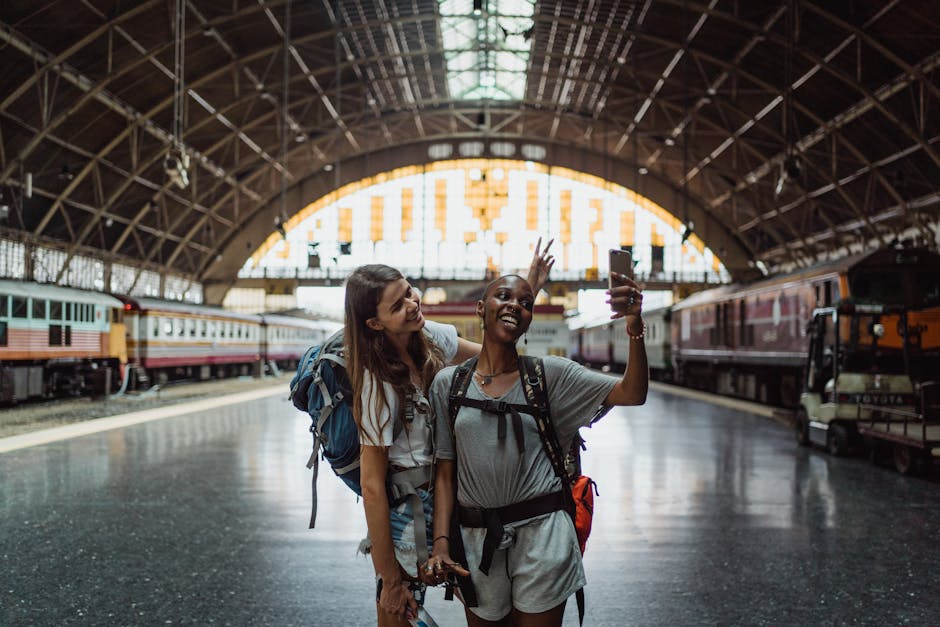
Many viewpoints require a short hike. The effort brings isolation, and the perspective gains depth. Local villages feel lived-in, not staged, which strengthens the sense of place.
Why Cities Surpass Their Postcards
Urban areas can seem repetitive in photos, but their character emerges in details—doorways, side streets, and local routines. A city might look like a collection of buildings from above, but walking its neighborhoods reveals layers of history and culture.
Kyoto’s Hidden Alleys
Famous temples get most of the attention, but Kyoto’s true magic is in its narrow lanes. Wooden houses, small gardens, and quiet cafes create a rhythm that photos often flatten. Early morning visits avoid crowds and let the atmosphere breathe.
The city’s temples and geisha districts are photogenic, yes. But the backstreets in Gion or Pontocho are where you feel the city’s age and tradition. Compare the busy squares to the calm corners, and the latter often leaves a deeper mark.
Lisbon’s Hillside Neighborhoods
Photos of the yellow trams and steep streets are iconic, yet the real charm is in the overlooked corners. Alfama’s winding alleys, local fado music drifting from a window, and the smell of grilled fish add context to the view.
The best way to experience this is on foot. Each hill offers a new vista, and the light changes with the time of day. The tiles on buildings tell stories that maps can’t capture.
Natural Wonders That Feel Alive
Natural sites gain life from elements that photos freeze. Wind, water movement, and seasonal shifts create a dynamic environment. When you visit, pay attention to these details—they’re often the highlight.
New Zealand’s South Island
Fjords and peaks look striking in pictures, but the sound of birds and the feel of the air are equally important. Milford Sound, for example, is impressive in size, but the mist and waterfalls make it feel ever-changing.
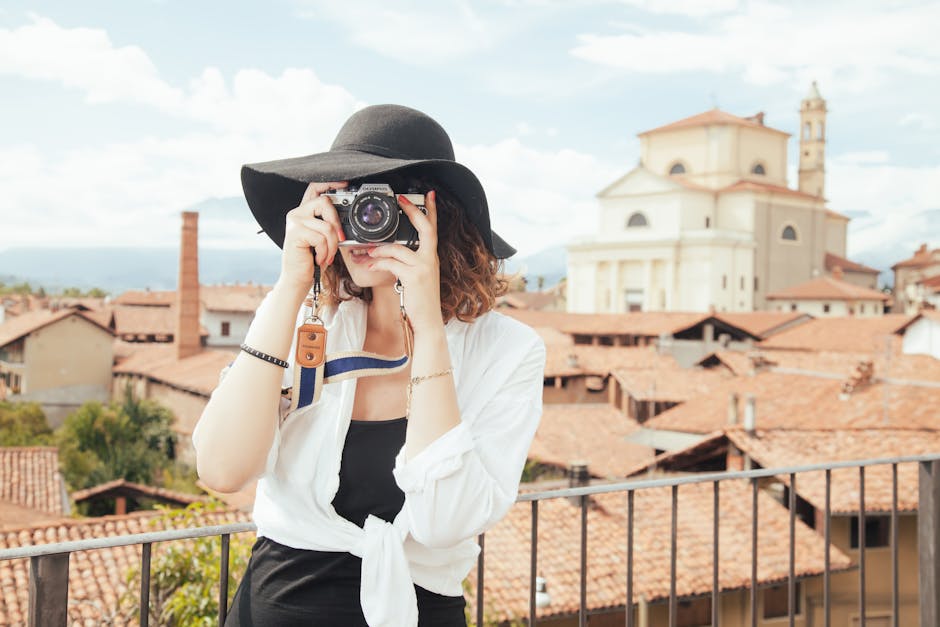
Driving routes like the Milford Road show how quickly conditions can shift. A clear morning can become a cloudy afternoon, revealing different facets of the landscape. Pack layers and take your time.
Norway’s Fjords
Photos often show fjords from above, emphasizing their geometry. From the water, though, the vertical cliffs seem endless, and the quiet is profound. Taking a ferry or kayaking gives a sense of scale that a drone shot can’t.
Seasonal light matters too. In summer, the long days let you explore late; in winter, the darkness adds drama. Each season offers a different experience, so choose based on what you prefer.
Practical Tips for Seeing the Real Thing
Planning enhances what you see. A few adjustments to your approach can make a big difference in how a destination feels.
Time Your Visit Intentionally
Go early or late to avoid crowds. Many spots are peaceful at sunrise, and that light is often better for photography and atmosphere. Check local seasons—shoulder periods can offer fewer people and more favorable weather.
Be flexible. Weather changes plans, but adapting can lead to unexpected discoveries. Have backup ideas for indoor or sheltered activities.
Move Beyond the Iconic Spots
Iconic sites deserve attention, but nearby areas often have similar beauty with fewer people. Ask locals for recommendations or take a detour on a hiking trail. You might find a viewpoint that isn’t on every map.
Compare the crowded main square to a quiet side street. The contrast highlights what each place offers and helps you appreciate both.
Engage Your Senses
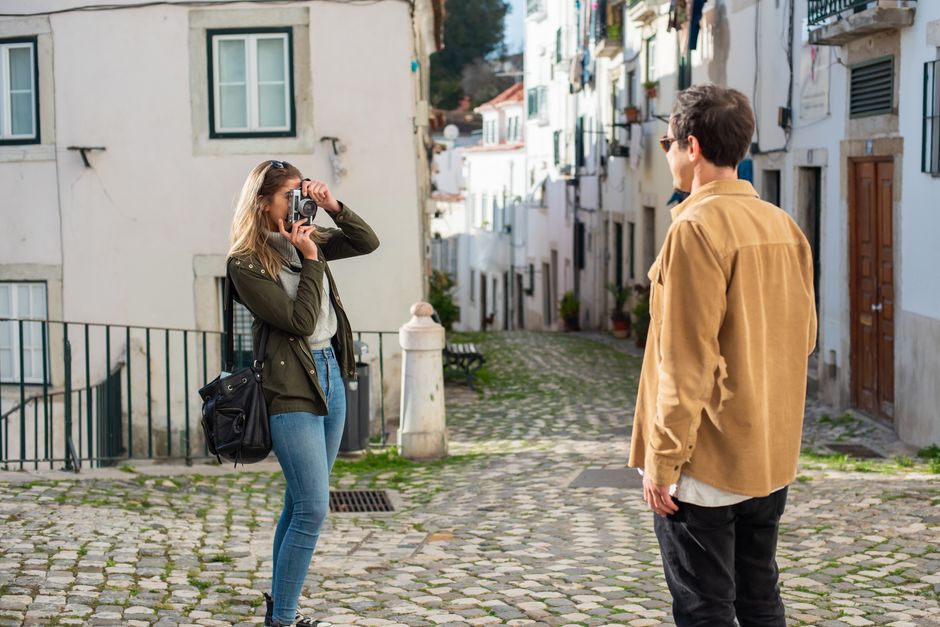
Look beyond sight. Listen to the sounds of a place—waves, birds, street life. Smell the air, taste local food. These elements build a memory that lasts longer than any photo.
Take breaks from photography. Constantly framing shots can distance you from the experience. Put the camera down and absorb the moment.
Common Mistakes to Avoid
Rushing through destinations is a frequent issue. Trying to see too much in one day can make everything feel rushed and superficial. Pick a few key locations and spend real time there.
Overtrusting photos can lead to disappointment. Not every spot will match the image, and that’s okay. Focus on the experience rather than a perfect replica of what you saw online.
FAQ
How can I tell if a destination will live up to its photos?
Research beyond images. Read traveler reports for details on light, crowds, and season. Look for mentions of atmosphere and accessibility to set realistic expectations.
What should I pack for a trip that might exceed photos?
Bring versatile clothing for changing weather, comfortable shoes for walking, and a camera for moments you want to remember. A small notebook can help jot down sensory details.
Are there risks in assuming a place will look better in person?
Weather and crowds can affect any trip. Build flexibility into your schedule and focus on the overall experience rather than one specific view. That way, surprises are positive.