
Discover Remote Islands Offering Unique Travel Experiences
Travelers seeking solitude and authenticity often look beyond crowded destinations. Remote islands provide a chance to disconnect, explore untouched landscapes, and engage with distinct cultures. Finding these hidden gems requires knowing where to look and what makes each place special.
This guide highlights several lesser-known islands that deliver memorable journeys. You will learn about their unique draws, how to visit responsibly, and what to expect on the ground. The goal is to help you plan a trip that feels both adventurous and grounded.
Why Seek Out Remote Islands?
Popular beach resorts can feel predictable. Remote islands often offer a rawer, more personal connection to nature and community. You might walk along a beach with no one else in sight or share a meal cooked over an open fire.
These experiences come with considerations. Travel can be more complex, and the infrastructure may be basic. The trade-off is a sense of discovery that is harder to find in well-trodden places.
A Shift in Perspective
Visiting a remote island is not just a vacation; it is a chance to slow down. Days often revolve around natural light, local tides, and community rhythms. This can be a welcome reset from a fast-paced life.
What to Expect
Prepare for limited connectivity and simple accommodations. Many islands rely on solar power and collect rainwater. These are not inconveniences but part of the experience. Planning ahead with the right mindset makes all the difference.
Islands with Distinct Characters
Palawan, Philippines: Limestone and Lagoons
Palawan is often called the last frontier of the Philippines. Its landscape is defined by jagged limestone cliffs, hidden lagoons, and clear turquoise water. The island of El Nido serves as a gateway to the Bacuit Archipelago, where boat trips reveal secluded coves.
Life here moves at a gentle pace. You can kayak through Big Lagoon, hike to a viewpoint for sunset, or simply rest in a beachfront cottage. The local communities are welcoming, and fresh seafood is a staple.
São Tomé and Príncipe: Equatorial Seclusion
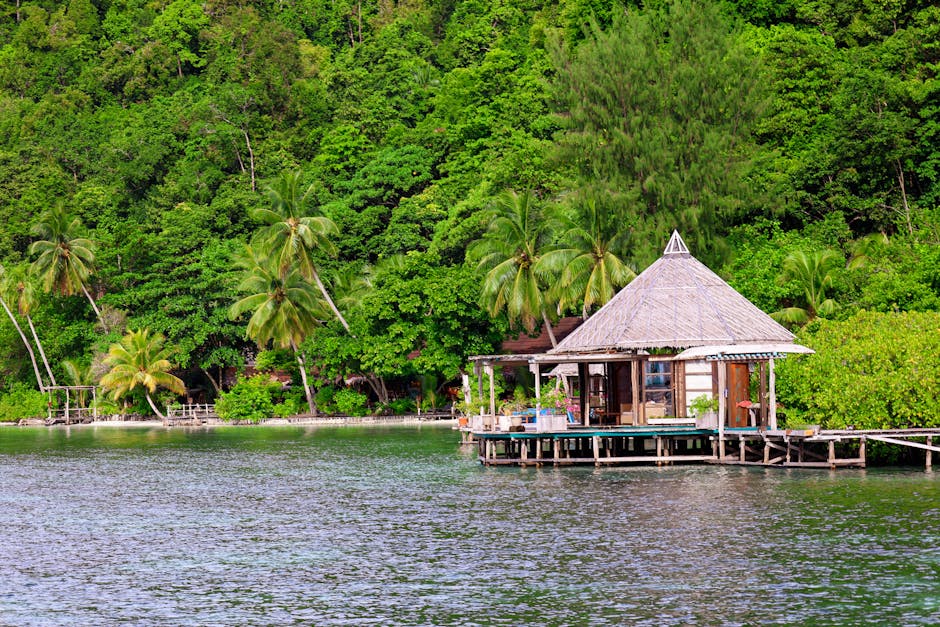
Located in the Gulf of Guinea, this twin-island nation is one of Africa’s smallest. It feels worlds away from the mainland. Dense jungles, colonial-era cocoa plantations, and pristine beaches define the landscape.
Visitors can hike through Obo National Park, spot endemic birds, or snorkel in quiet bays. The islands have a slow, tropical rhythm. There are few crowds, and the sense of isolation is profound.
The Azores, Portugal: Atlantic Gardens
This archipelago in the North Atlantic is geologically active and lush. Each of the nine islands has a distinct personality. São Miguel is known for its crater lakes and hot springs, while Pico offers a dramatic volcanic peak.
The Azores are not completely isolated—there are regular flights—but they feel remote. The culture is a mix of Portuguese tradition and island innovation. Whaling history, cheese making, and wine production are part of the local story.
Ascension Island: Volcanic and Isolated
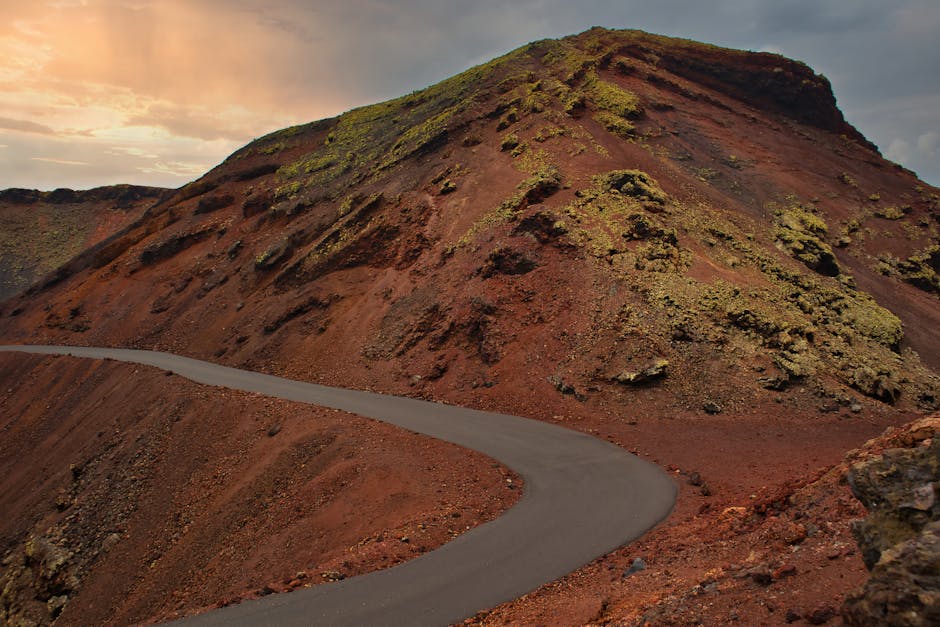
A British Overseas Territory in the South Atlantic, Ascension is starkly beautiful. Black volcanic rock meets white sand beaches, and green turtles nest on certain shores. The island is home to a small population and a U.S. Air Force base.
Travelers come for the raw landscape and wildlife. Hiking to the summit of Green Mountain offers panoramic views. The island’s isolation means carefully planned travel is necessary.
How to Plan Your Trip
Research Thoroughly
Start by understanding the logistics. Some islands have limited flights, and boat transfers may be necessary. Check visa requirements, health advisories, and seasonal weather patterns.
Read recent travel reports. Conditions can change quickly, especially in remote locations. Reach out to tour operators or guesthouses for current information.
Travel Responsibly
Remote ecosystems are fragile. Choose operators that follow sustainable practices. Avoid single-use plastics, respect wildlife viewing guidelines, and support local businesses.
Your spending directly impacts the community. Staying in locally owned accommodations and eating at family-run restaurants helps distribute tourism income more evenly.
Pack Smart
Bring essentials that may not be available locally. This includes any required medications, sun protection, and sturdy footwear. A reusable water bottle and a solar charger can be useful.
Leave extra room in your luggage for local goods. Purchasing handicrafts or agricultural products can be a meaningful way to contribute to the local economy.
Practical Considerations
Budgeting for the Journey
Remote travel can be more expensive than typical vacations. Flights, transfers, and guided activities add up. However, daily costs on the island may be lower, especially for food and lodging.
Build a buffer into your budget for unexpected changes. Weather or transport delays can require flexibility. Travel insurance that covers remote locations is a wise investment.
Staying Connected
Internet access may be sporadic or slow. Plan to use offline maps and download essential information before you go. Inform family or colleagues of your itinerary and check-in points.
Consider a satellite communicator for very remote areas. These devices allow you to send messages or emergency signals without cellular service.
Safety and Health
Medical facilities on remote islands are often basic. Know the location of the nearest clinic or hospital. Carry a first-aid kit and any personal medications in original packaging.
Insect-borne diseases can be a risk in tropical islands. Use repellent, wear long sleeves at dusk, and consider prophylactic measures if recommended for your destination.
Frequently Asked Questions
What is the best time to visit a remote island?
The ideal time depends on the location. Tropical islands often have a dry season and a rainy season. Research the specific climate of your chosen destination to avoid storms or peak humidity.
How do I find reliable information about remote destinations?
Look for recent travel blogs, forums, and government travel advisories. Contact local tour operators directly for the most current details. Word-of-mouth from recent visitors can also be valuable.
Are remote islands suitable for solo travelers?
Many remote islands are safe for solo travelers, but extra planning is needed. Choose reputable accommodations, share your itinerary with someone back home, and stay aware of your surroundings. Solo travel can be deeply rewarding on these islands.
Choosing a remote island for your next trip opens up a different kind of travel memory. It offers quiet, connection, and a break from the ordinary. With careful planning and respectful engagement, you can discover places that stay with you long after you return home.