
Exploring Ancient Cities That Every Traveler Should Experience
Travelers often seek places that offer a tangible link to the past. This guide highlights ancient cities that provide rich history, remarkable architecture, and authentic cultural encounters. Each destination on this list has survived centuries of change, yet it still offers a compelling reason to visit today. Readers will find practical advice for planning, key landmarks to prioritize, and the unique character that sets each site apart.
Exploring ancient cities that every traveler should experience starts with understanding what makes a location timeless. It is not just about ruins; it is about the layers of human stories embedded in stone, art, and public spaces. The cities selected here represent diverse regions and eras, offering a balanced look at what history has preserved.
Why These Ancient Cities Stand Out
Historical significance alone does not make a city a top destination. The places featured below combine preservation with accessibility. They allow visitors to walk through original streets, examine artifacts in context, and appreciate how ancient design influences modern life. Each city also has a clear tourism infrastructure that supports a thoughtful visit without overwhelming the site.
What Makes a Site Worth Visiting
Ancient cities that remain vibrant share a few traits. They have invested in conservation, maintain a relationship with local communities, and provide clear visitor interpretation. For example, signage and guides that explain historical contexts help travelers connect with the past. Without this, even the most impressive ruins can feel like empty shells.
Balancing Preservation and Access
Some ancient sites face challenges from tourism pressure. The cities chosen here manage visitor numbers through ticketing or timed entry. This protects fragile structures while still allowing public access. Travelers should respect these rules, as they directly impact the long-term survival of the sites.
Rome, Italy
Rome offers one of the most comprehensive looks at ancient urban design. The city layers Republican, Imperial, and Medieval periods in a single landscape. Visitors can stand in the Roman Forum, walk through the Colosseum, and see the Pantheon in nearly original condition. The proximity of these sites makes it efficient to cover major landmarks in a day.
Key Sites and What to Expect
The Roman Forum was the political and social center of ancient Rome. Today, it is an open-air museum of temples, basilicas, and government buildings. The Colosseum, though damaged, remains a powerful symbol of imperial engineering. Nearby, the Pantheon continues to function as a temple and church, offering a rare example of intact ancient interior space.
Practical Tips for Visiting
Buy tickets in advance for the Colosseum and Forum to avoid long lines. Early morning or late afternoon visits provide better light and fewer crowds. Wear comfortable shoes, as the terrain is uneven. Combine the historic center with a neighborhood like Trastevere to see how ancient Rome integrates with modern life.
Athens, Greece
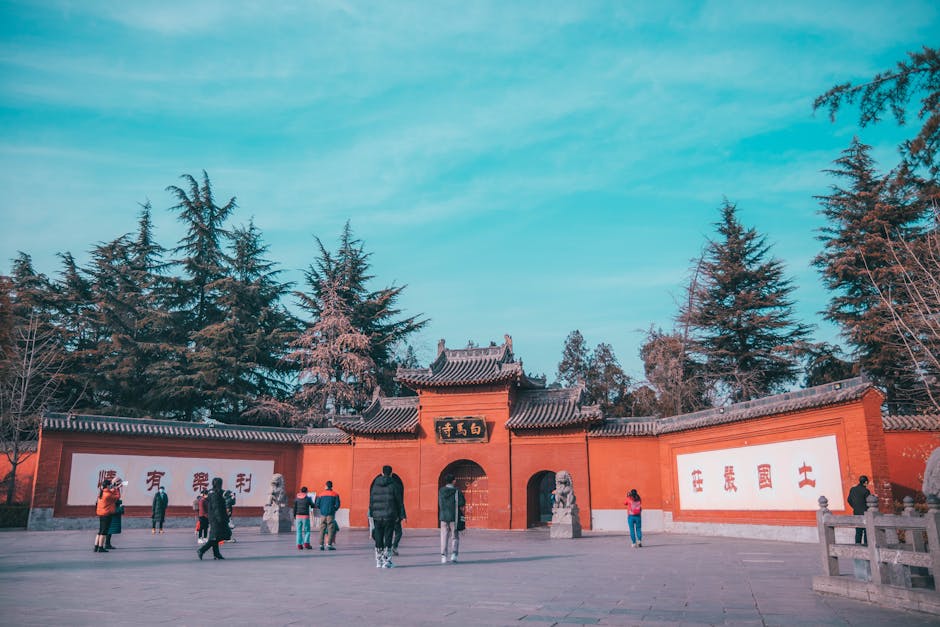
Athens is often called the birthplace of Western civilization. The Acropolis stands as a global icon, but the city extends well beyond that hill. Ancient Agora, the Temple of Olympian Zeus, and the Roman Agora provide a fuller picture of civic life across centuries. The city’s urban layout still reflects ancient routes and public spaces.
The Acropolis and Beyond
The Parthenon is the centerpiece of the Acropolis, but the site includes other structures like the Erechtheion and Propylaea. Each building demonstrates different phases of Classical Greek art and politics. Downhill, the Ancient Agora was where everyday Athenians gathered, traded, and debated.
Navigating the City Today
Athens can be hot and crowded, especially in summer. Visit the Acropolis early to avoid the worst heat and the tour groups. The new Acropolis Museum offers excellent context, showing artifacts from the site in a modern setting. Using the metro is efficient; several stations are designed with glass floors to reveal ancient ruins below.
Petra, Jordan
Petra is a desert city carved directly into sandstone cliffs. It was the capital of the Nabataean kingdom, a prosperous trading hub that controlled caravan routes. The most famous icon is Al-Khazneh, the Treasury, but the site extends through a vast canyon with tombs, temples, and water systems.
Highlights of the Rose City
The Siq, a narrow gorge leads to the Treasury. Beyond it, the Street of Facades displays numerous burial chambers. The Monastery, located higher in the hills, offers a quieter experience with expansive views. These structures show the Nabataeans’ skill in architecture and water management.
Planning a Petra Visit
A full day is minimum, but two days allow for deeper exploration. Start early to cover the main trail before the sun reaches its peak. Hiring a local guide adds historical context that you might miss on your own. Comfortable footwear is essential due to long walks on uneven ground.
Machu Picchu, Peru
Machu Picchu is a 15th-century Inca citadel set high in the Andes. Built as an estate for Emperor Pachacuti, it combines ceremonial sites, agricultural terraces, and residential areas. Its remote location and sophisticated stonework make it one of the most striking ancient cities in the world.
Understanding the Site
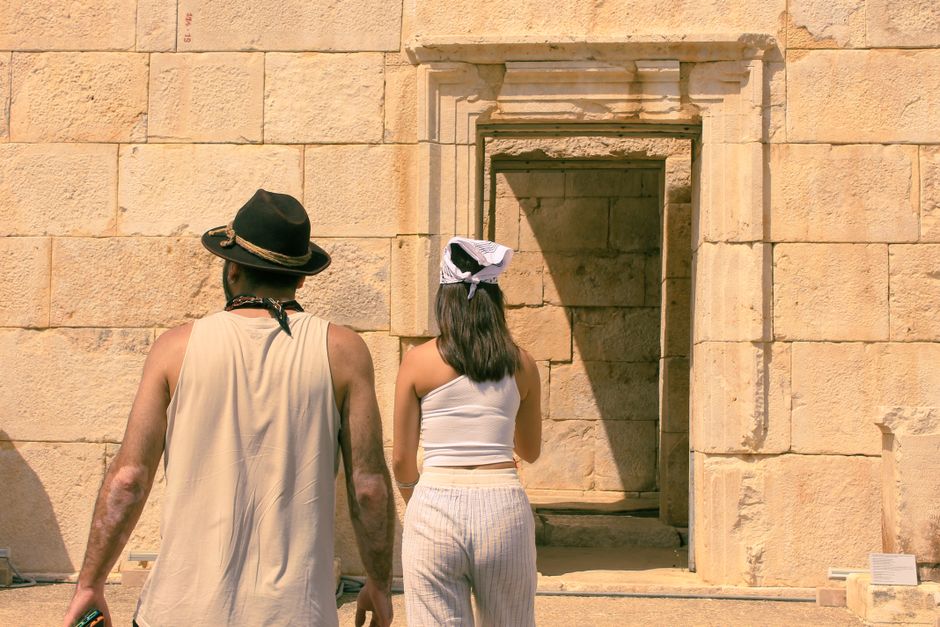
The city is divided into an urban and agricultural sector. The Temple of the Sun and the Intihuatana stone highlight the Incas’ astronomical knowledge. The stone walls of the residential areas demonstrate advanced construction techniques, with stones cut to fit together without mortar.
Access and Conservation
Reaching Machu Picchu typically involves a train from Cusco to Aguas Calientes, followed by a bus or hike. Inca Trail permits are limited and sell out months ahead. The site has a timed entry system to control visitor flow. Travelers should book well in advance and respect the rules against touching structures or straying from paths.
Angkor Wat, Cambodia
Angkor Wat is the largest religious monument in the world. Originally built as a Hindu temple in the 12th century, it later became a Buddhist site. The complex includes hundreds of temples and structures spread over a large area. The main temple is famous for its scale and intricate bas-reliefs.
Exploring the Temple Complex
Angkor Wat itself is the most iconic, but visitors should also explore Bayon with its giant stone faces and Ta Prohm, where trees grow over ruins. Each temple has a distinct style and history. The contrast between the grandeur of Angkor Wat and the atmospheric decay of Ta Prohm offers a complete narrative.
Best Practices for Visitors
A three-day pass allows time to see major sites without rushing. Hiring a tuk-tuk driver with local knowledge is common and helpful. Respect religious sites by dressing modestly and avoiding loud behavior. Early morning visits to Angkor Wat provide cooler temperatures and better lighting for photographs.
Fez, Morocco
Fez is home to one of the world’s oldest medieval cities. The old medina, Fez el-Bali, is a UNESCO World Heritage site with a labyrinth of narrow streets. It contains the University of al-Qarawiyyin, founded in 859, and the Al-Attarine Madrasa, showcasing intricate Islamic architecture.
The Heart of the Medina
The tanneries of Chouara are a major attraction, where leather is processed using traditional methods. The Bab Bou Jeloud gate marks the entrance to the old city, with blue tiles on the outside and green on the inside. The medina’s layout has remained largely unchanged for centuries.
Navigation and Cultural Notes
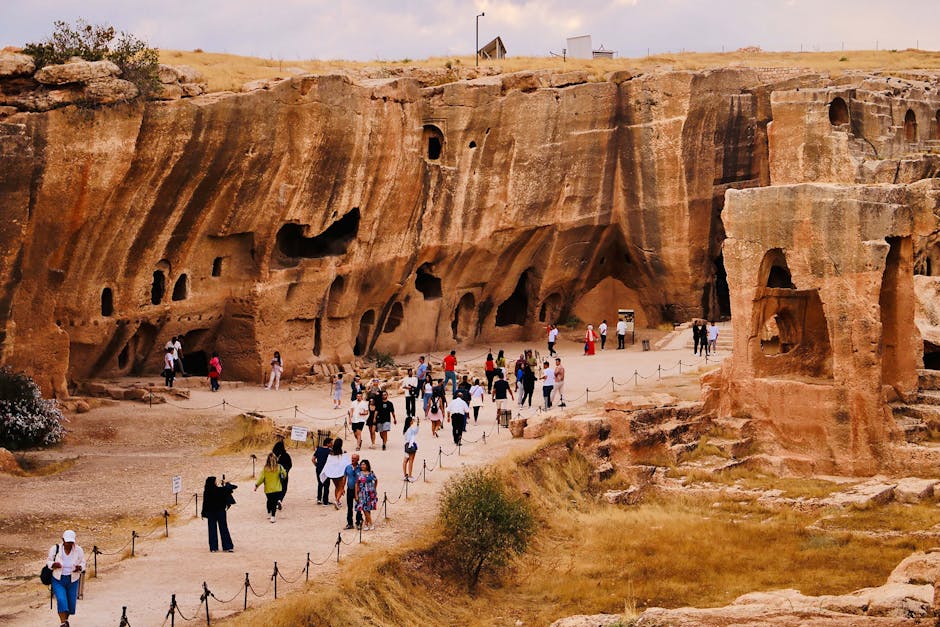
Getting lost is part of the experience, but a map or guide can help. Working with a local guide for the first day is recommended to learn about customs and avoid mishaps. The medina can be intense, with sounds and scents that overwhelm. Take breaks in quieter courtyards or rooftop cafes.
Planning Your Own Ancient City Experience
When choosing which ancient cities to visit, consider your interests and travel style. Some sites are best for history buffs, while others appeal to adventurers or photographers. Combining cities in one trip can save time and money, provided you account for travel distances and climate.
Travel Logistics
Book flights and accommodations early for high-demand destinations like Machu Picchu or Petra. Check visa requirements for international trips. Pack for the climate, but bring layers for unexpected changes. Travel insurance that covers trip delays and medical issues is wise for far-flung locations.
Respectful Tourism
Ancient cities are living places, not just museums. Support local economies by buying from small businesses and employing local guides. Avoid touching ruins or moving artifacts, as this can cause damage. Your behavior helps ensure these sites remain intact for future visitors.
Frequently Asked Questions
Which ancient city is easiest for a first-time traveler?
Rome and Athens are generally the most accessible due to excellent infrastructure, clear signage, and frequent flights. They offer a gentle introduction to ancient history with plenty of amenities.
How much time should I allocate per city?
Plan for at least two full days in larger cities like Rome or Athens. For sites like Machu Picchu or Petra, three days allow for a relaxed pace and deeper exploration without rushing.
Are these ancient cities suitable for families?
Yes, with preparation. Choose sites with interactive tours or child-friendly guides. Avoid the hottest parts of the day, carry water, and take breaks. Some locations, like the interior of pyramids or narrow canyon trails, may not suit very young children or those with mobility issues.