
Incredible Mountain Adventures for Nature and Travel Enthusiasts
Mountain travel delivers unmatched rewards for those who love the outdoors. This guide covers specific destinations, practical planning tips, and safety essentials to help you explore with confidence. Whether you seek high-altitude trekking, wildlife spotting, or quiet scenic drives, these suggestions focus on real-world logistics and what to expect on the ground.
Readers will find clear comparisons between popular options, steps for trip preparation, and warnings for common pitfalls. The goal is to give practical takeaways you can use right away—from choosing between guided and independent travel to packing smart for variable weather.
Why Mountain Travel Appeals to Nature Lovers
Mountains concentrate diverse landscapes into compact regions. You can walk from alpine meadows to glacier-fed lakes in a single day, then camp under a sky with minimal light pollution. The physical challenge builds confidence, and the solitude offers a rare break from crowded urban spaces.
Wildlife sightings are more frequent at dawn and dusk. Marmots, eagles, and mountain goats appear when trails are quiet, and regional guides often know the best viewing spots. For photographers, the changing light across ridges and valleys creates hours of opportunity.
Choosing the Right Destination
Match your experience level and interests to the region. First-time hikers may prefer established national parks with marked trails and ranger support. Experienced travelers might seek remote ranges with variable weather and limited cell service.
For Beginners: Accessible National Parks
Consider Rocky Mountain National Park in Colorado or the Lake District in England. Both offer multiple trail grades, visitor centers, and shuttle services. You can sample high-country scenery without committing to technical routes.
Start with shorter half-day hikes. Seek trail reports published within the last week to check current conditions. Check for elevation gain—aim for under 1,500 feet on your first outing to gauge comfort.
For Intermediate Travelers: Established Alpine Routes
The Swiss Alps and the Dolomites provide hut-to-hut systems that simplify logistics. You can lodge in mountain refuges and move between valleys without carrying a full tent system. Trails are well marked, and food is available at most stops.
Compare the two regions by terrain. The Dolomites feature dramatic limestone cliffs and via ferrata options, while the Swiss Alps emphasize glaciers and classic ridge walks. Book huts early—popular routes fill months ahead.
For Advanced Adventurers: Remote Wilderness Areas
Trekking in the Canadian Rockies or Patagonia demands self-sufficiency. Weather shifts quickly, and cell coverage is rare. Navigation skills, first-aid training, and emergency plans are non-negotiable.
Consult local guide services for route updates. Some areas require permits or travel in groups for safety. Plan for extra food and fuel—logistics can change due to storms or trail closures.
Planning Steps for a Mountain Trip
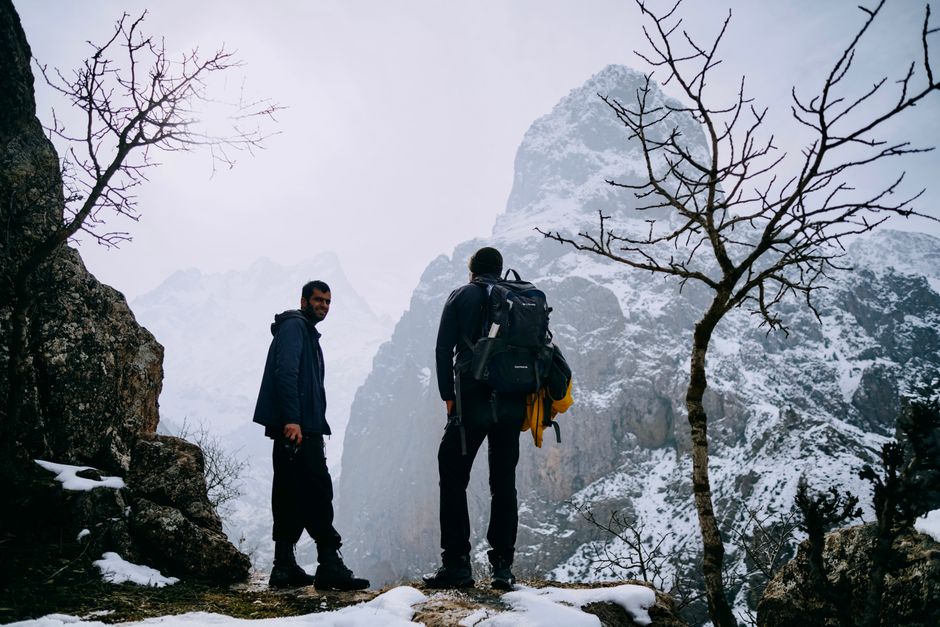
Begin with a clear objective: a summit attempt, a wildlife-focused hike, or a landscape photography session. Define your priorities, then build a route that matches your fitness and available time.
Step 1: Research and Route Selection
Study official park maps and recent trip reports. Identify potential hazards, such as river crossings or avalanche terrain in winter zones. Compare multiple routes to find the best balance of scenery, difficulty, and safety.
Step 2: Permits, Bookings, and Logistics
Many high-use areas require advance permits. Check agency websites for quota systems and application dates. Reserve lodging early for popular seasons, and confirm transportation access to trailheads.
Step 3: Pack Smart for Altitude and Weather
Layer clothing for variability: moisture-wicking base, insulating mid-layer, and windproof shell. Include a reliable rain jacket and insulated hat even in summer. Carry navigation tools: map, compass, and a GPS device with extra batteries.
Step 4: Acclimatization and Conditioning
Altitude affects everyone differently. Spend at least one night at moderate elevation before attempting high-altitude objectives. Strengthen legs and core with consistent cardio and hiking practice for three months prior.
Safety and Risk Management
Mountain environments demand respect for natural forces. Check weather forecasts daily and watch for afternoon thunderstorms in many ranges. Lightning risk increases above treeline—descend if storms approach.
Wildlife encounters are generally safe when you keep distance and secure food. In bear country, use bear canisters and learn local protocols. Never approach or feed animals, and keep camps clean.
Common Pitfalls to Avoid
Overestimating fitness leads to exhaustion and poor decision-making. Start with conservative daily mileage and adjust as needed. Pack extra water and snacks, and prioritize rest days for remote trips.
Ignore social media hype around extreme routes. Many popular photos show rare optimal conditions. Read multiple sources and ask local guides about seasonal challenges.
Comparing Travel Styles
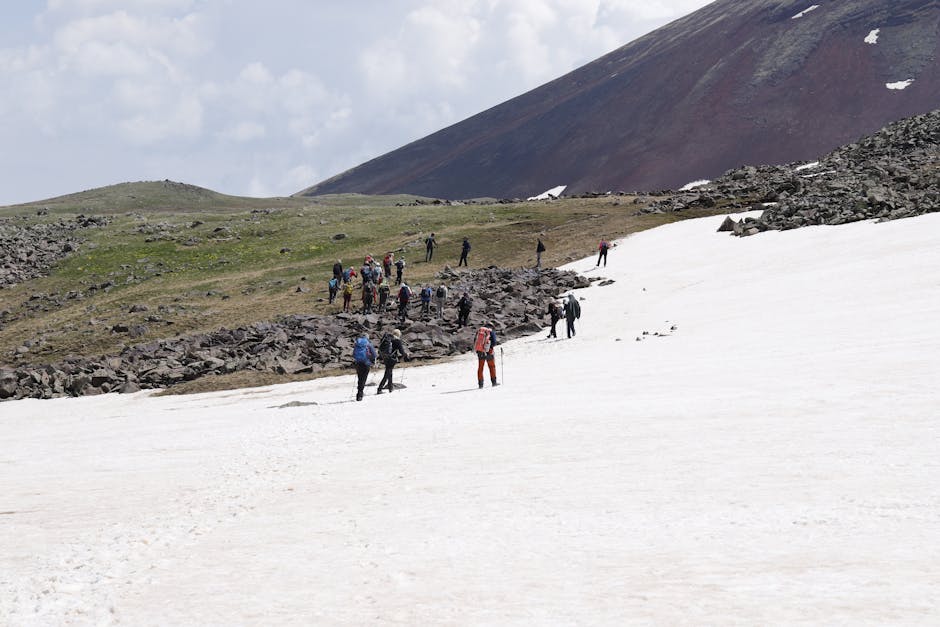
Guided trips provide local knowledge, safety oversight, and simpler logistics. Independent travel offers flexibility and solitude but requires stronger skills and planning. Choose based on your experience, budget, and trip goals.
Independent Versus Guided Options
Guided groups often handle permits, meals, and transportation, which reduces stress on first trips. Independent travelers should practice navigation and emergency response before venturing into remote terrain. Weigh the cost of added safety against your comfort level.
Lightweight Camping Versus Hut Systems
Carrying camping gear allows remote camps and lower costs, but you must manage food weight and water sources. Huts provide meals and beds but add expense and require reservations. Decide based on your tolerance for carrying load and preference for social groups.
Specific Adventure Ideas
Below are practical adventure options that balance challenge and access. Each example includes key details to help you plan and compare.
High-Altitude Trekking
The Annapurna Circuit in Nepal combines culture and scenery with tea houses along the route. The Tour du Mont Blanc circles three countries, offering varied cuisine and easier resupply. Research rainy seasons and acclimatization schedules for each.
Rock Climbing and Via Ferrata
Via ferrata routes in the Dolomites allow secure climbing via steel cables, ideal for those new to vertical terrain. Yosemite Valley offers world-class rock climbing with varied grades. Use certified equipment and follow local guide rules.
Wildlife Viewing and Nature Photography
Yellowstone National Park provides reliable wildlife sightings, especially in early summer. South Africa’s Drakensberg offers dramatic cliffs and birdlife. Practice ethical photography: use long lenses, avoid playback calls, and never bait animals.
Scenic Drives and Mountain Roads
The Going-to-the-Sun Road in Glacier National Park delivers high-country views with minimal hiking. New Zealand’s Southern Alps feature accessible drives and short walks. Check seasonal closures and drive carefully on narrow, winding roads.
Seasonal Considerations
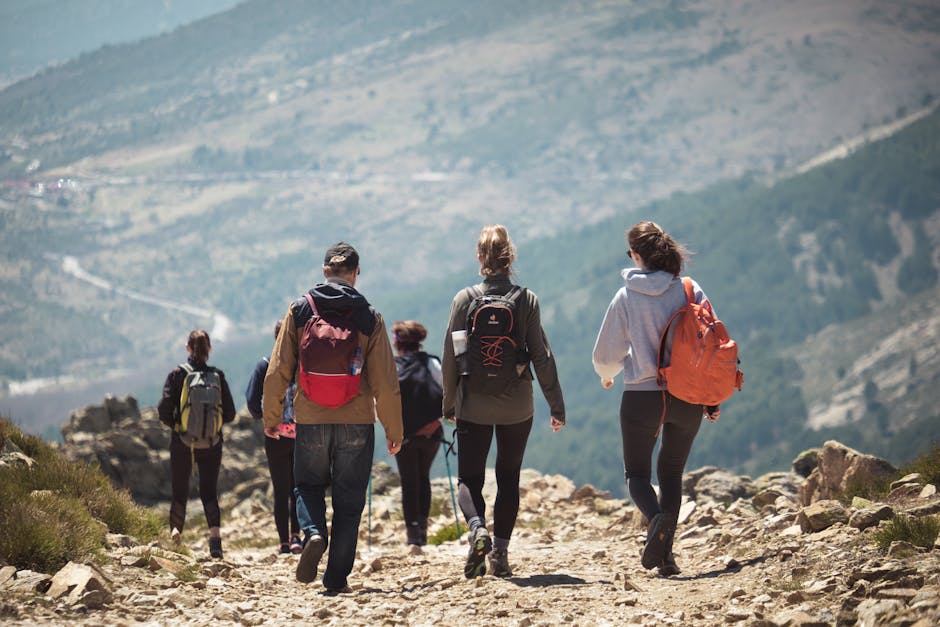
Season affects trail conditions, wildlife behavior, and access. Summer brings open routes and longer days, but also crowds. Shoulder seasons offer fewer people and cooler temperatures, yet snow may linger at higher elevations.
Winter travel in many ranges requires specialized skills and equipment. Avalanche awareness is critical, and daylight is limited. Consult local authorities and guide services before attempting cold-season routes.
Local Guiding Services and Resources
Local guides know current conditions and cultural considerations. They can tailor trips to your fitness and interests, and often provide equipment. Look for certifications, client reviews, and clear safety policies when selecting a service.
Start with national park visitor centers and regional tourism boards. They offer maps, updated trail reports, and permit assistance. Online forums and recent trip blogs add practical detail, but verify against official sources.
Environmental Stewardship
Leave no trace principles protect trails and wildlife. Pack out all trash, stay on established paths, and camp in durable surfaces. Minimize fire impact and respect seasonal closures for nesting or breeding areas.
Choose low-impact transportation where possible, such as shuttle buses or trains to trailheads. Support local businesses that follow sustainable practices, and consider carbon offsets for long-haul flights.
FAQ
What is the best season for mountain adventures?
Summer and early fall are ideal for most high-country routes, with stable weather and open trails. Winter requires advanced skills and avalanche training. Shoulder seasons offer fewer crowds but may present snow and variable conditions.
Do I need a guide for mountain travel?
Guides add safety, local knowledge, and logistical ease, which is useful for first trips or remote areas. Experienced travelers may prefer independent travel for flexibility. Assess your skill level honestly and choose accordingly.
How can I prepare for high altitude?
Spend time at moderate elevation before attempting high-altitude objectives. Hydrate well, pace your climbs, and rest as needed. Training that includes cardio and strength work helps reduce fatigue and improve acclimatization.
Takeaways for Your Next Mountain Trip
Plan with clear goals and realistic timelines. Compare destinations based on your experience, interests, and season. Prioritize safety, pack for variability, and leave a minimal footprint.
These incredible mountain adventures for nature and travel enthusiasts offer practical routes and steps you can use now. Choose a destination that fits your goals and start with a well-researched plan.