
Unforgettable Travel Journeys Across Beautiful World Regions
Planning a trip that feels truly memorable starts with picking destinations that match what you want from a journey. Whether you crave quiet mountain villages, bustling coastal cities, or remote natural landscapes, the right region can shape your entire experience. This guide outlines several world regions known for distinct scenery, cultural depth, and travel opportunities that leave lasting impressions.
We cover practical details: what makes each area stand out, when to visit, and how to prepare. The goal is to help you choose a path that fits your interests, budget, and travel style without getting overwhelmed by options.
Why Region Matters More Than Just a Checklist
Many travelers focus on specific countries or cities. But the broader region often defines the climate, travel logistics, and overall atmosphere. For example, the Alps span several nations, yet the experience shares common traits like alpine villages and hiking trails.
Choosing a region helps you plan efficient routes. You can cluster nearby destinations, reduce transit time, and encounter more varied landscapes without constant border crossings. It also allows for deeper cultural immersion compared to hopping between isolated highlights.
European Alpine Circuits for Scenic Depth
The Alpine region stretches across France, Switzerland, Italy, Austria, and Germany. It offers dramatic peaks, clear lakes, and well-marked trails. This area suits travelers who enjoy mountain scenery combined with accessible towns.
Key Highlights and Practical Steps
Start with the Bernese Oberland in Switzerland for iconic views of the Eiger and Mönch peaks. The Jungfrau Railway provides access to high-altitude stations without strenuous hiking. In Italy’s Dolomites, aluminum via ferrata routes offer guided climbing experiences for beginners.
Plan travel between May and September for open trails and lift operations. Winter visits center on skiing, but many villages remain accessible year-round. Book mountain huts in advance during peak summer if you plan multi-day hikes.
Comparing Alpine Sub-Regions
The Swiss Alps feel polished and efficient, with excellent public transport. The Austrian Tyrol mixes traditional chalets with vibrant towns like Innsbruck. France’s Chamonix Valley is known for mountaineering history and glacier views.
Each sub-region has a different pace. Switzerland may suit those preferring organized tours, while the Dolomites attract visitors seeking quieter trails and Italian cuisine. Match the area to your interests rather than assuming all Alpine trips are similar.
Coastal Journeys in Southeast Asia
Southeast Asia’s coastlines range from the Andaman Sea to the South China Sea. The region combines tropical beauty with food culture and varied price points. This suits travelers who want warm weather, islands, and accessible flights.
Choosing Between Mainland and Island Travel
Thailand’s Krabi province offers dramatic limestone cliffs and island boat trips. Its mainland towns provide quick access to both beaches and inland parks. Vietnam’s central coast, around Da Nang, blends long sandy beaches with historic sites like Hoi An.
Island-only trips, like visiting Palawan in the Philippines, require more planning due to longer transfers. Mainland bases allow easier day trips and more dining options. Decide based on whether you prefer immersion in one area or exploring multiple spots quickly.
Seasonal Considerations and Weather Warnings
The dry season in most of Southeast Asia runs from November to April. Monsoon rains can disrupt boat schedules and make some trails muddy. Always check local weather alerts and travel advisories before committing.
Hurricane or typhoon season varies by sub-region. The Philippines and parts of Vietnam may see storms from July to October. Flexible bookings and travel insurance help manage unexpected changes.
African Safari Windows and Wildlife Cycles
Africa’s safari regions are defined by wildlife migration patterns and climate. The Serengeti in Tanzania and Maasai Mara in Kenya are famous for the Great Migration. But smaller reserves offer unique experiences with fewer crowds.
Timing Your Visit for Wildlife Viewing
The Great Migration crosses the Mara River from July to October. This period sees dramatic river crossings and high predator activity. Visiting shoulder months like June or November can offer good sightings with lower prices and fewer vehicles.
Park regulations limit vehicles at sightings in Kenya and Tanzania. Choose operators that respect these rules to avoid disturbing animals. Open-sided vehicles with knowledgeable guides improve intersection chances with wildlife.
Budgeting and Lodge Options
Safari costs vary by season and accommodation style. Luxury lodges include guided drives and meals, while budget campsites offer a more rustic experience. Always confirm what is included: park fees, guide services, and transfers.
Self-drive safaris are possible in South Africa’s Kruger Park but require caution. Always stay on designated roads and follow park rules. For first-timers, a guided option reduces risk and increases animal sightings.
South American Andes and Altitude Planning
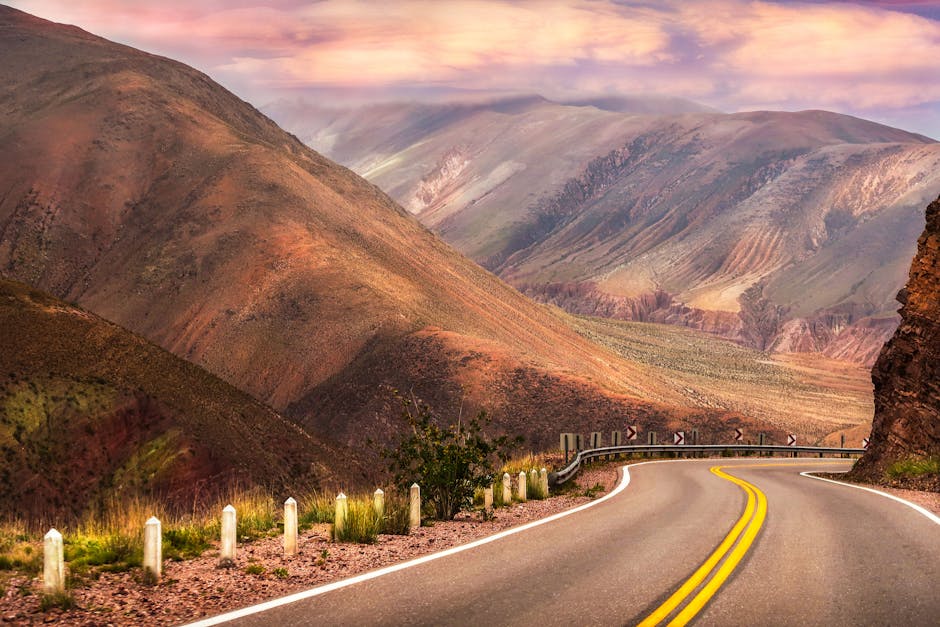
The Andes run through several countries, each offering distinct landscapes. Peru’s Sacred Valley provides Inca history and gentle acclimatization. Bolivia’s high-altitude salt flats and Chile’s Atacama Desert offer stark beauty.

Managing Altitude Sickness
Altitude sickness can affect anyone, even when fit. Symptoms include headaches, nausea, and fatigue. Spend the first 24 hours at moderate altitude before ascending higher.
Stay hydrated, avoid alcohol, and consider medication like acetazolamide after consulting a doctor. Choose itineraries that allow rest days, such as alternating high and low altitudes. Never ignore symptoms; descending is the only cure for severe cases.
Cultural and Historical Highlights
Machu Picchu in Peru is the most famous site, but consider lesser-known ruins like Choquequirao for fewer crowds. Bolivia’s Salar de Uyuni is best visited during the dry season for mirror-like reflections. Chile’s wine valleys near Santiago provide a relaxed break from high-altitude travel.
Local markets and community tours support cultural preservation. Hiring local guides adds depth to historical sites and ensures respectful interaction. Always ask permission before photographing people or private property.
North American Wilderness and National Parks
North America’s wilderness spans from the Arctic to desert canyons. U.S. National Parks like Yellowstone, Yosemite, and Grand Canyon draw millions annually. Canada’s Rockies and Maritime provinces offer quieter alternatives.
Planning for Park Access and Lodging
Many parks require reservations for camping or lodging months in advance. Peak season often means crowded trails and limited availability. Check park websites for permit requirements and road closures.
Consider visiting shoulder seasons for better rates and solitude. Some areas, like Alaska’s Denali, have brief windows for accessibility. Always pack layers, as mountain weather changes rapidly.
Wildlife and Safety Basics
North America’s wildlife includes bears, moose, and bison. Store food securely and follow park guidelines for animal encounters. Carry bear spray in known regions and know how to use it.
Stay on marked trails to protect fragile ecosystems and avoid getting lost. Bring a map and compass, even if using GPS. Cell service is unreliable in many parks, so tell someone your itinerary.
Japanese Alps and Rural Culture
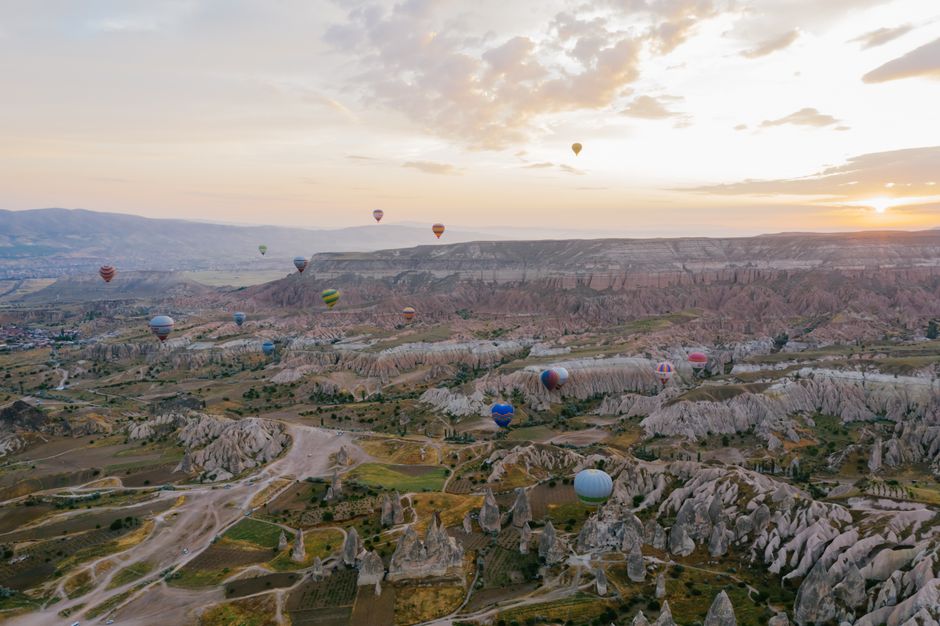
Japan’s central mountain range includes the Hida and Kiso ranges. The region offers hiking, hot springs, and traditional villages. It contrasts sharply with cities like Tokyo and Osaka.
Practical Access and Transport
The Japan Rail Pass covers many trains to alpine towns like Takayama and Matsumoto. Buses connect remote areas, but schedules can be sparse. Renting a car offers flexibility but requires an International Driving Permit.
Stay in a ryokan for an authentic experience with tatami rooms and kaiseki meals. Book well ahead, especially during autumn foliage or cherry blossom seasons. Some ryokans have curfews; confirm policies before arrival.
Seasonal Attractions and Activities
Autumn brings vibrant foliage to the Japanese Alps, ideal for photography and hiking. Winter offers skiing in places like Hakuba Valley, with reliable snowfall. Summer months are perfect for alpine flowers and cooler temperatures.
Onsen etiquette varies; wash thoroughly before entering communal baths. Tattoos may be restricted in some facilities; check policies or use private baths. Respect quiet hours in traditional villages to maintain cultural sensitivity.
Frequently Asked Questions
What is the best time of year for world regions?
The ideal timing depends on the region and your activity. Generally, shoulder seasons—spring and fall—offer pleasant weather and fewer crowds. Check specific climate patterns for each area before booking.
How can I prepare for high-altitude travel?
Start acclimatizing slowly, stay hydrated, and avoid strenuous activity on the first day. Consult a healthcare provider about altitude medications and recognize symptoms early. Always have a plan to descend if needed.
Are guided tours necessary for these journeys?
Guided tours are not mandatory but can enhance safety and knowledge, especially in remote or wildlife areas. Self-guided travel is possible in many regions with proper planning. Choose based on your comfort level and trip goals.